
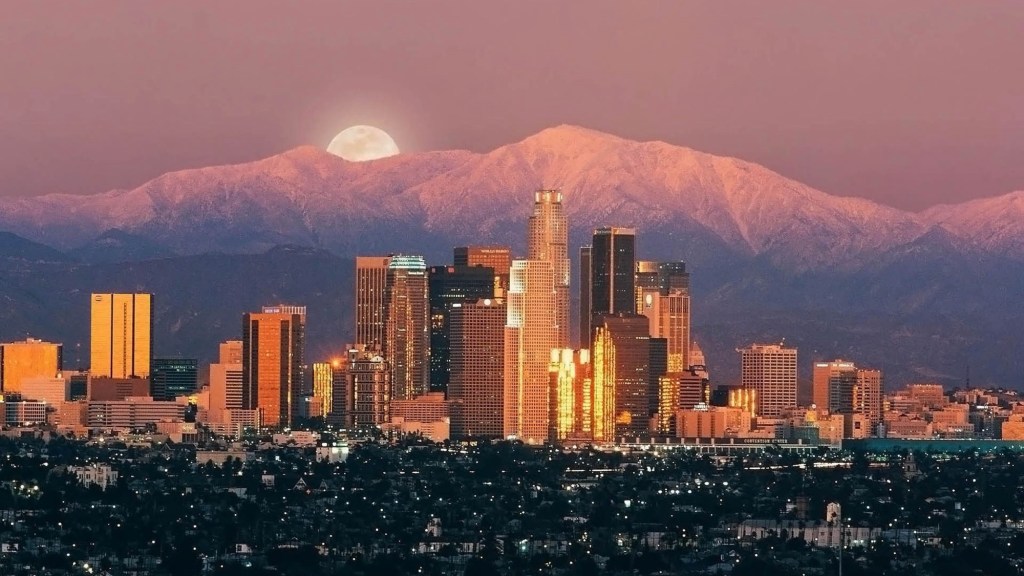
While the broader U.S. housing market remains subdued — constrained by elevated mortgage costs and affordability headwinds — the upper echelons of the real-estate spectrum are charting a different course. Properties at the top of the price ladder are seeing strong demand, record benchmarks, and outsized capital flows, suggesting that affluent buyers are capitalizing on structural drivers most others are overlooking.
These trends are not uniform across all metros, but a clear pattern has emerged in four key markets where wealth concentration, scarcity, and structural value converge:
Los Angeles San Francisco / Bay Area New York City Chicago
Each tells a slightly different story — but they all point to an important thesis: luxury demand remains resilient, pricing power persists, and capital is reallocating within these markets with conviction.
Los Angeles: Transaction Growth Despite Macro Headwinds
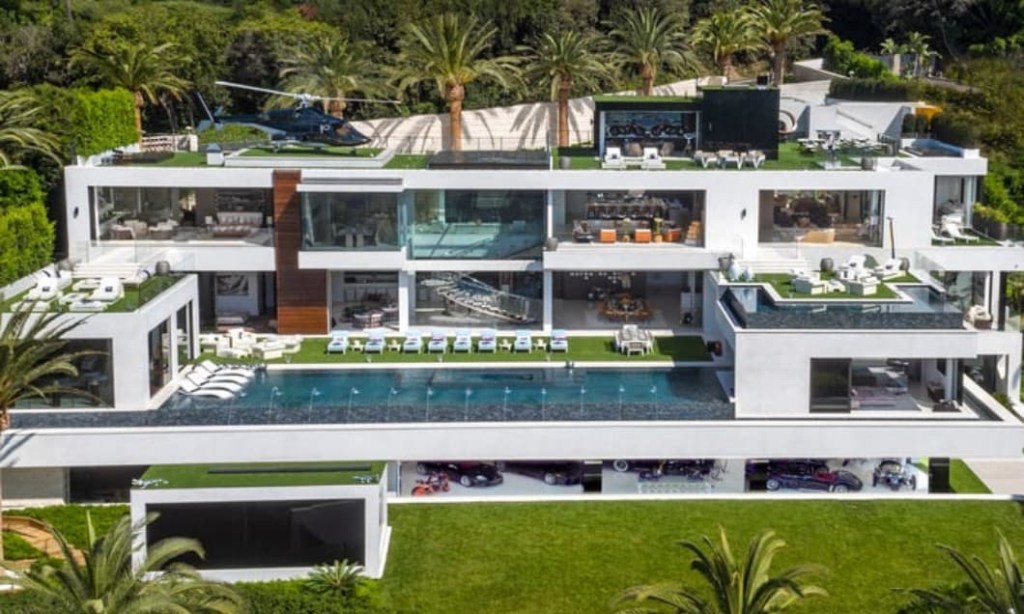
Los Angeles continues to outperform many markets when it comes to ultra-luxury sales:
In 2025, Los Angeles County led the nation with roughly 292 transactions priced at $10 million or more, up an estimated 54% year-over-year. Total dollar volume in these ultra-luxury sales approached $5.36 billion, reflecting deep demand at the highest tiers. While “trophy” assets like the Bel-Air estate La Fin have seen notable price adjustments (e.g., ~ $40 million price reduction), the fact that such landmark listings continue to trade near $100 million underscores enduring buyer interest at the summit of the market. Broader luxury pricing in Los Angeles remains elevated relative to national benchmarks: in the top U.S. metros, Los Angeles ranks among the highest for luxury median values.
What this means: Transactions at the very top are increasing in volume and dollar value even as some headline luxury prices adjust — a sign of capital flow and reallocations rather than capitulation.
San Francisco / Bay Area: Tech Wealth and Scarcity Driving Pricing

San Francisco’s luxury market is showing significant price momentum, especially in prestige neighborhoods:
In affluent districts like Pacific Heights, Marina, and Cow Hollow, median luxury home prices recently reached ~$6 million — up roughly 20% year-over-year — while overall median home prices in the city remain elevated. Inventory at the top end is extremely tight: even with strong buyer demand, only ~60 luxury homes sold in key districts through much of 2025, suggesting scarcity is a key driver of value.
What this means: As tech sector gains and new venture capital wealth reach the market, ultra-wealthy buyers are locking in trophy properties where scarcity and lifestyle utility create structural pricing support.
New York City: Luxury Sales Strength and High-Stakes Transactions

New York City remains one of the most important luxury real-estate markets in the world — and recent data show activity actually strengthening:
📊 Sales Volume & Pricing Trends
Manhattan homes priced at $4 million and above totaled nearly $12 billion in sales in 2025, marking one of the largest luxury sales years on record. The city saw over 1,400 luxury contracts — roughly an 11% increase year-over-year — even amid broader economic uncertainty. Contract activity for high-end homes continues to pick up, with weekly luxury contracts in Manhattan totaling 33 properties at $4 million+ totaling nearly $282 million in recent data.
💰 Recent High-End Transactions
A recent listing in the historic Flatiron Building — one of Manhattan’s most iconic new luxury conversions — hit the market at an estimated $16 million for a prime 3,800+ sq ft residence. Landmark luxury transactions continue to define the upper end of the market: in 2025, record sales such as $82.5 million at 220 Central Park South dominated the NYC leaderboard. Cash remains dominant: roughly 60% of NYC home sales were all‐cash deals in early 2025, a figure that rises sharply in the luxury segment — often approaching 9 out of every 10 properties above $3 million.
What this means: Despite macro noise and periodic political narratives, New York’s luxury market continues to show both depth and velocity — from Bloomberg-level trophy condo sales to sustained contract activity in the upper tiers.
Chicago: Value, Stability, and Emerging Luxury Momentum
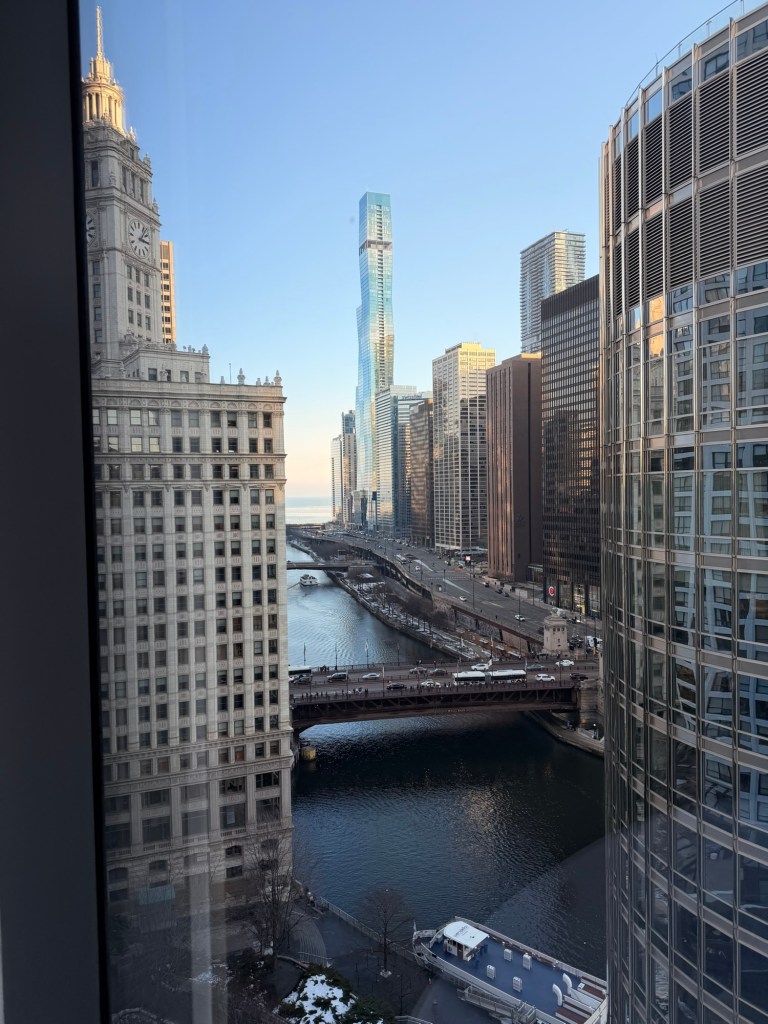
Chicago’s luxury segment is quietly strengthening, with data pointing to value relative to coastal peers and renewed buyer confidence:
Recent reports show Chicago’s luxury price tier climbing, with median luxury segment values around $1.35 million and solid demand reflected in tight market times and strong list-to-sale ratios.
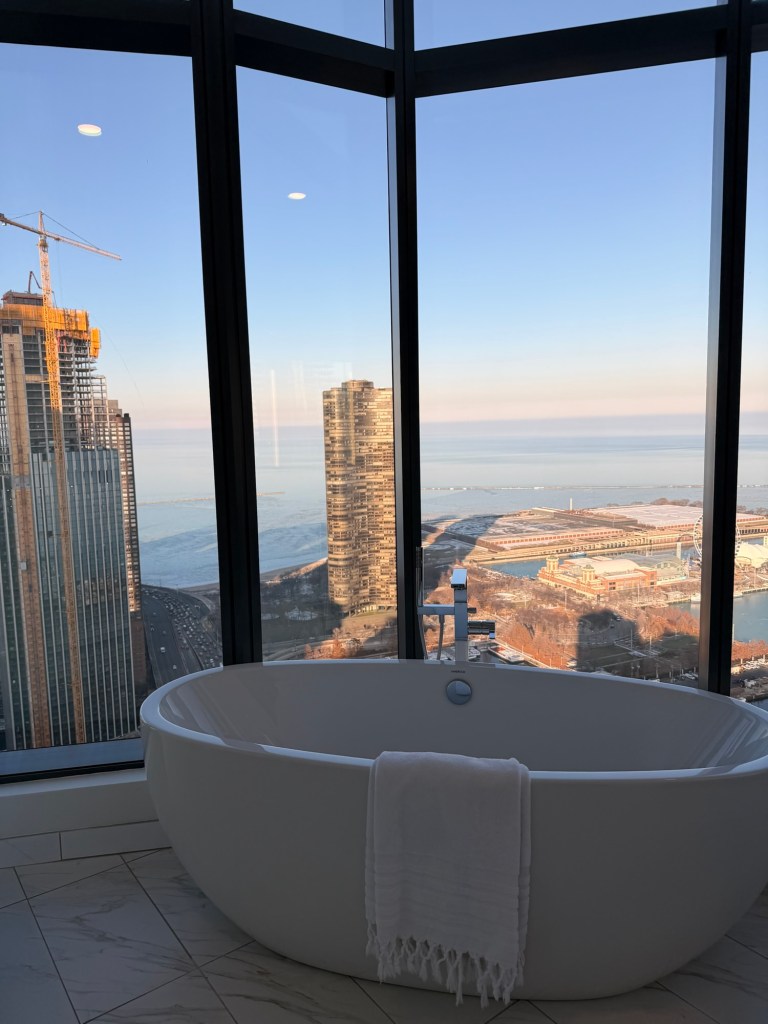
Although Chicago doesn’t command the ultra-high ceilings of LA or NYC, its value proposition, deep urban amenities, and affordability relative to coastal peers have made it a strategic play for investors and high-net-worth individuals seeking price performance with less cyclical volatility.
National Luxury Housing Fundamentals: Supporting Data
Across the U.S. luxury market:
National luxury home prices rose to a record median of ~$1.28 million in October 2025, up roughly 5.5% year-over-year — nearly three times the pace of non-luxury prices. Luxury homes at the 95th and 99th percentiles sold faster than a year ago, suggesting high-end buyer urgency continues even where overall market times lengthen.
Key Takeaways: What the Data Is Really Saying
Across these premier markets — Los Angeles, San Francisco/Bay Area, New York City, and Chicago — we see consistent signals:
✅ Luxury pricing is resilient and, in many cases, rising.
✅ High-end transaction volume is increasing in several markets, even amid broader market stagnation.
✅ All-cash and low-leverage buying remains dominant, anchoring demand and shortening time-to-close.
✅ Scarcity and lifestyle value are driving capital allocations, especially among global and domestic high-net-worth buyers.
These patterns suggest that while mainstream housing continues to cope with rate sensitivity and supply constraints, the luxury segment is not only surviving — it’s selectively thriving. For investors, developers, and brokers focused on upper-tier real estate, that bifurcation presents both strategic entry points and durable long-term value opportunities.
Daniel Kaufman is a real estate developer, investor, and President of Kaufman & Company, a vertically integrated platform focused on residential, mixed-use, and next-generation real estate across major U.S. markets. His work spans ground-up development, value-add acquisitions, and emerging asset classes at the intersection of housing, infrastructure, and technology. Daniel has active exposure in markets including Los Angeles, San Francisco, New York City, and Chicago, and regularly writes about market structure, capital flows, and where long-term opportunity is forming beneath the headlines. His commentary is grounded in direct deal experience and a long-term investor perspective rather than short-term market noise.

 Daniel Kaufman Real Estate
Leave a comment