
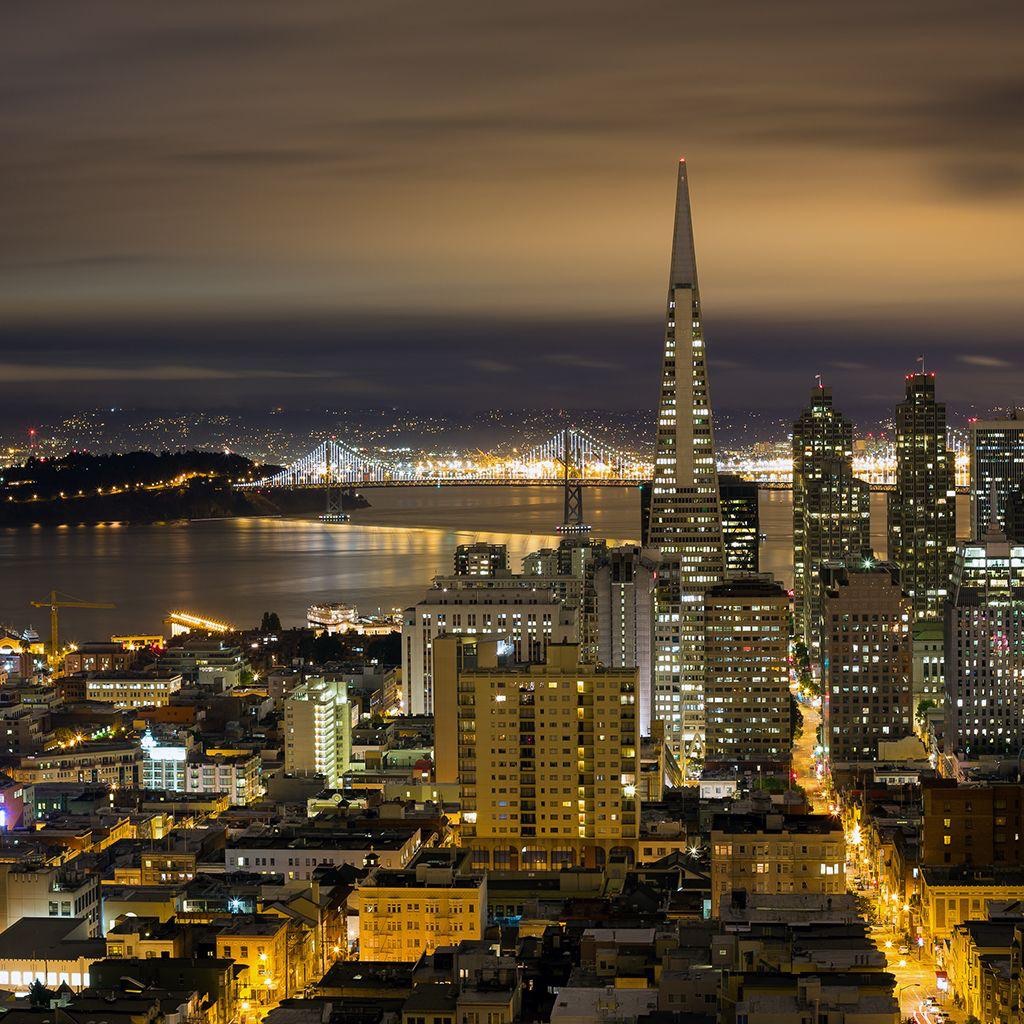
For the better part of four years, San Francisco was written off.
Remote work hollowed out the office market. Rents collapsed. Headlines focused on crime, homelessness, and empty towers. Capital fled. Developers paused. Investors swore it off as “uninvestable.”
And quietly, a handful of us started buying.
This week delivered one of the clearest signals yet that the narrative has finally turned.
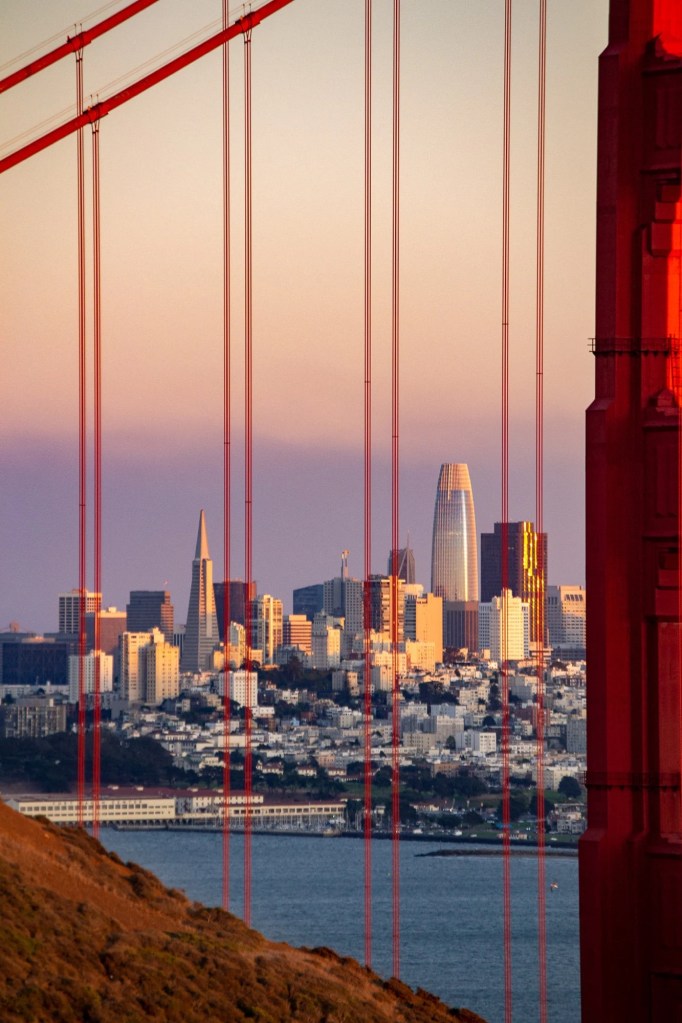
Michael Shvo’s $400 million renovation of the Transamerica Pyramid just landed three new office leases totaling 25,000 square feet, including one deal north of $300 per square foot. That’s a record for San Francisco and the second-highest office rent ever paid in the United States, behind only One Vanderbilt in New York.
Coatue and Mizuho Financial Group are among the tenants. The building is now 85 percent leased.
That isn’t a fluke transaction. It’s price discovery returning to a market everyone declared dead.
And it’s exactly why our early bets in San Francisco are now paying off.
Office Is Healing, and Multifamily Is Next
When offices refill, apartments follow. Always.
That’s not a theory, it’s how urban real estate cycles actually work. Office demand brings workers. Workers need housing. Housing tightens. Rents rise. Values follow.
You can already see it happening.
San Francisco apartment rents fell roughly 25 percent during the pandemic, dropping from about $3,500 a month in early 2020 to the low $2,600s by the end of that year. Today, they’re back near $3,200 a month, including a 6.4 percent year-over-year jump in the first quarter alone.
That’s not stabilization. That’s acceleration.
GTIS President Tom Shapiro, who runs a $4.7 billion platform, is calling for 4 to 6 percent rent growth this year and next. He’s also bidding on San Francisco multifamily deals against multiple other institutional buyers.
His words matter because they reflect what I’m seeing on the ground:
“There’s more people interested. It’s not a secret like it was a year ago.”
Exactly.
The stealth phase is over. The re-rating phase has begun.
Transaction Volume Is Surging Off the Bottom
Another sign the cycle has turned is deal volume.
About $363 million of individual multifamily assets traded in San Francisco in Q1 2025, triple the dollar volume of the same period last year and the year before.
And that number excludes portfolio deals like Brookfield’s acquisition of more than 70 apartment buildings in early 2024, which means real capital is coming back into one-off assets, not just mega-fund block trades.
Fortress Investment Group has already acquired 13 rental buildings in the city over the past two years. They’re under contract for two more and have multiple offers out. They want to double their San Francisco apartment exposure this year.
That’s not “catching a falling knife.” That’s institutional capital repositioning early in a recovery cycle.
The Supply Side Is Completely Broken, in a Good Way
Here’s the part most people still don’t understand.
San Francisco’s housing pipeline is dead.
Only 1,597 new housing units were added in 2024, 56 percent below the city’s 10-year annual average. Permits for new construction totaled just 1,024 units, 67 percent below the decade norm.
That’s not a slowdown. That’s structural undersupply.
Demand is rebounding. Office workers are returning. AI companies are expanding. Tourists are back. And new housing production has collapsed.
This is the exact setup you want as a long-term multifamily investor.
As one investor put it bluntly:
“It’s a massive imbalance and it will be perpetual.”
That imbalance is what drives rent growth and value creation for the next decade.
AI Is Rewriting San Francisco’s Office Story
San Francisco isn’t just “recovering.” It’s reinventing itself around AI.
AI tenants absorbed roughly 1 million square feet of office space in the third quarter alone. The city has now logged five consecutive quarters of positive net absorption.
Vacancy dropped 3.7 percent year over year, the steepest decline since 2011.
Buildings like 612 Howard Street are leasing entire floors to AI companies like Greenlite AI. Developers like Hines are filing permits for new towers. Lincoln Property and McCourt Partners are exploring major downtown redevelopments.
And the city’s new mayor, Daniel Lurie, is openly leaning into San Francisco’s identity as an AI capital.
That matters because modern urban recoveries don’t come from banks or law firms anymore. They come from technology platforms that create entirely new demand curves.
That’s exactly what’s happening now.
Why Our San Francisco Thesis Is Playing Out
When we started leaning into San Francisco again, it wasn’t because we thought everything was “fixed.”
It was because:
• Prices were down 30 to 50 percent from pre-pandemic highs
• Rents had bottomed and were stabilizing
• New supply had collapsed
• Institutional capital was quietly accumulating assets
• AI leasing was showing up in office absorption data
• The negative narrative was wildly overstated
That’s what early-cycle recovery actually looks like.
Not perfect conditions. Not clean headlines. Not unanimous optimism.
It looks messy. It looks contrarian. It looks uncomfortable.
And then suddenly, a $300-per-square-foot lease prints at the Transamerica Pyramid, and the entire market wakes up.
This Isn’t the Top, It’s the Reset
San Francisco isn’t back to 2019 valuations.
It’s still 30 to 50 percent off peak pricing. Rents are still below prior highs. Office vacancy is still elevated. Public perception is still catching up to reality.
That’s exactly why the opportunity is still there.
The easy money was made by those who bought in 2022 and 2023 when everyone else panicked.
The next wave of returns will be made by those who understand that this is a multi-year normalization cycle, not a one-quarter bounce.
San Francisco isn’t dead.
It’s early.
And if you know how to read cycles instead of headlines, you can see exactly where this is going next.
Daniel Kaufman is a real estate developer and investor focused on multifamily, AI-driven infrastructure, and urban recovery markets. Follow his market commentary at danielkaufmanrealestate.com.
 Daniel Kaufman Real Estate
Leave a comment