
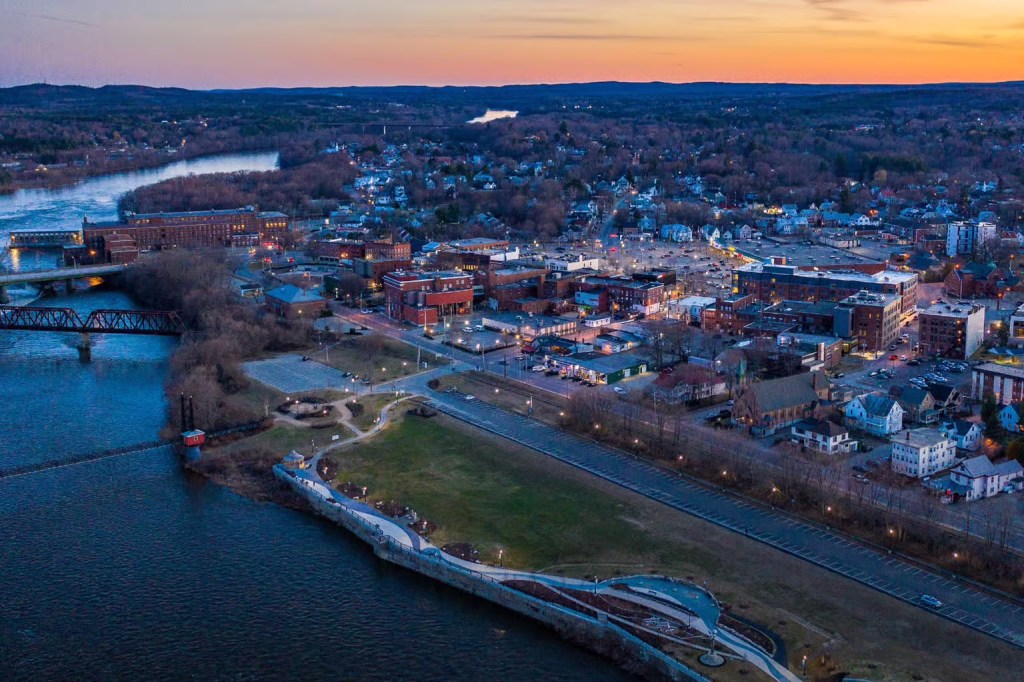
As a real estate developer based in Maine, I spend a lot of time driving through towns that have good bones, deep history, and far more potential than their balance sheets suggest. Waterville is one of the clearest examples I can point to where decline was not destiny, and where revival did not come from wishful thinking or slogans, but from long-term capital, institutional commitment, and patience.
A little over a decade ago, Waterville was still carrying the weight of its mill closures. Jobs had left, storefronts were empty, downtown foot traffic was thin, and like many former industrial cities across the Northeast, it had never quite found its second act. The physical infrastructure was tired, and the economic confidence was worse.
What changed was not one project, but a coordinated decision by Colby College to stop treating itself as a hilltop island and start behaving like a civic anchor.
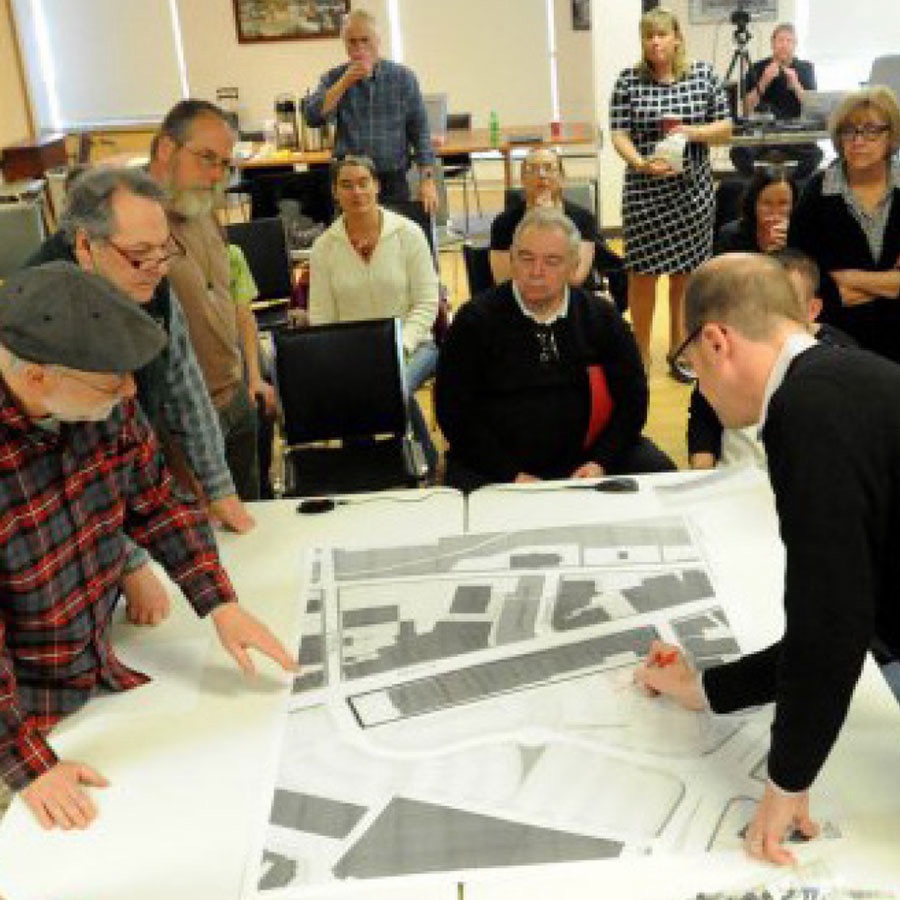
When Colby made the choice to invest directly in downtown Waterville, starting around 2014, it took a risk that many institutions talk about but few actually take. Instead of issuing reports or convening panels, it put real money into real assets on Main Street, hospitality, arts, mixed-use buildings, and public-facing spaces that gave people reasons to come back downtown and, more importantly, to stay.
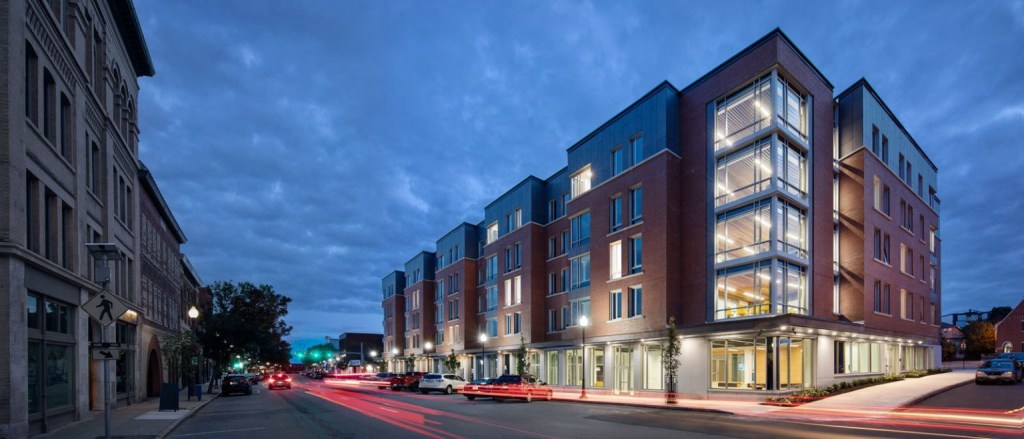
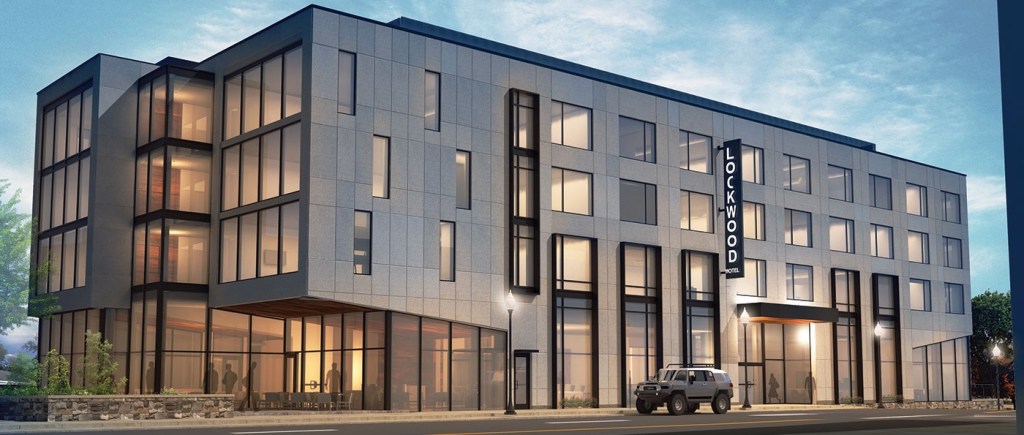
Projects like the Lockwood Hotel, the arts center, and the Greene Block were not isolated developments. They were confidence signals. They told local entrepreneurs, lenders, and residents that someone with staying power believed Waterville was worth betting on.
That belief mattered.
Over the past decade, more than 40 new businesses have opened downtown. That does not happen because of a single ribbon-cutting. It happens because foot traffic returns, risk perception changes, and private capital begins to follow institutional capital. As a developer, I see this pattern repeatedly. The first money in is rarely the most profitable, but it is often the most important.
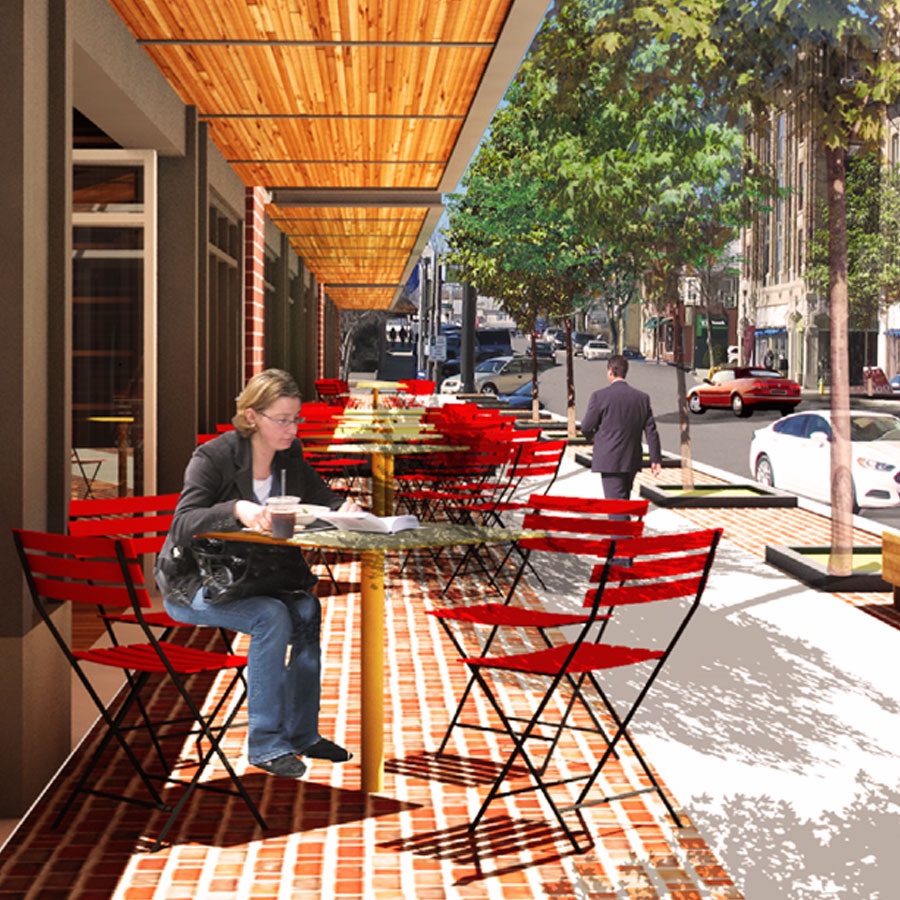
Waterville’s turnaround also reinforces something I have long believed about Maine’s economic future. Revitalization does not have to be limited to Portland or affluent coastal towns. With the right mix of anchor institutions, thoughtful development, and patient capital, smaller cities can rebuild themselves in ways that are authentic and durable.
The economic impact speaks for itself. From 2019 to 2024, Colby’s activities supported an estimated $2.5 billion in economic activity across Maine. That scale matters, not just for Waterville, but for how we think about the role of nonprofits, colleges, and hospitals in regional development.
What is equally important is what comes next.
Downtown housing remains a real need. Public schools require continued support. Momentum can fade if it is not reinforced with livability, workforce housing, and year-round economic activity. Staying “on the map” is harder than getting there in the first place.
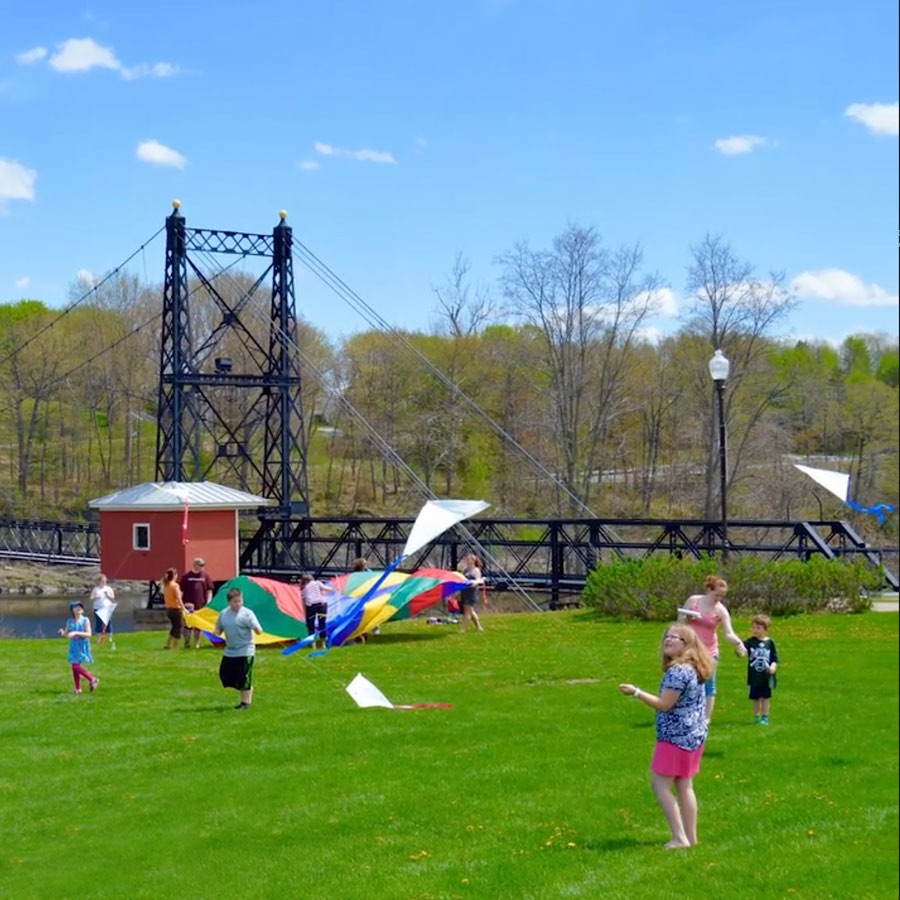
What gives me optimism is that Waterville is no longer alone. You can see similar early-stage investments and creative energy emerging in places like Skowhegan and Bangor. That ripple effect is real, and it matters. It suggests that Maine is slowly relearning how to reinvest in its inland cities, not just its postcard towns.
Waterville’s story is not about a miracle comeback. It is about what happens when long-term institutions act like owners rather than observers. For developers and investors who understand Maine, that lesson is invaluable.
There are still many towns with great bones, and many chapters yet to be written.
 Daniel Kaufman Real Estate
Leave a comment