
Labor Day is around the corner, and if you’re in real estate, you know it’s been a cruel summer. Buyers, sellers, and builders have all come into this season with expectations—most of them unmet.
We’re living through what I’d call the Anna Karenina housing market: everyone’s unhappy, just in different ways. Buyers are boxed out by affordability, sellers are losing leverage but hanging on to yesterday’s price expectations, and builders are pulling back despite a nationwide shortage of 4 million homes. Layer in dysfunctional regional markets, and you’ve got a stalemate that’s lasted all summer.

Inventory has climbed for 21 straight months, but transactions are at their lowest level in decades. It’s a market in stasis—grinding through a summer of frustration.
Buyers: Stuck on the Sidelines
Let’s start with the demand side. Affordability has been the biggest headwind. At a median list price of around $440,000, buying the typical U.S. home today costs $1,255 more per month than in 2019, even after adjusting for taxes, insurance, and a 20% down payment.
Why? Prices have crept up, but the real pain is coming from mortgage rates. Between 2019 and 2021, home prices jumped 19%, but low rates muted the impact. Since 2021, though, rates have climbed—and even with a more modest 16% rise in prices, monthly payments are up 60%. That affordability squeeze has left buyers standing on the sidelines, even in what should be the most buyer-friendly market in years.
Sellers: The Great Delisting
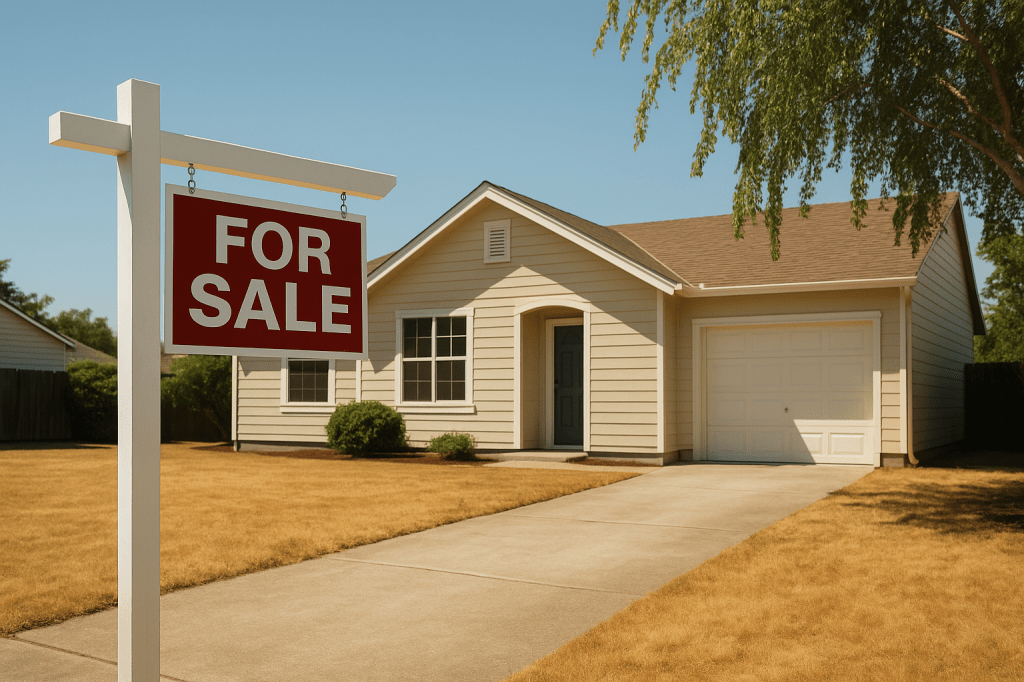
For sellers, it’s been a season of false starts. Homes are sitting longer, and instead of adjusting pricing expectations, many sellers are simply delisting their properties. That decision pulls inventory away from buyers who might have re-engaged at a different price point, keeping the market frozen in place.
Builders: Pulling Back at the Worst Time
Builders, too, have lost momentum. With buyer demand waning, many are scaling back starts. That deepens the structural housing shortage, a problem that isn’t going away without sustained new supply. This is exactly the kind of dynamic that keeps the U.S. chronically underbuilt, even in a moment when long-term demand fundamentals—household formation, immigration, labor mobility—remain strong.
A Couple of Silver Linings
Despite the stalemate, there are reasons for cautious optimism.
Rates may finally ease. The Fed is signaling cuts, and when those arrive, monthly payments will get a short-term reprieve. That should unlock some buyer demand, though it may also reignite price appreciation. Rent growth is cooling. For now, renters are catching a break, giving them breathing room to delay the leap into homeownership. That keeps pressure off the buy side, at least temporarily.
Where Do We Go From Here?
As a developer and investor, I’ve seen enough cycles to know that “cruel summers” don’t last forever. Real estate is always about tension—between rates and prices, buyers and sellers, short-term fear and long-term fundamentals.
If rates come down even slightly this fall, expect a quick shift in buyer psychology. Sellers will need to get realistic on pricing, and builders who pull back too sharply today may regret it when demand roars back.
For now, we’re stuck in the standstill. But if you’re thinking long-term—as every serious developer and investor should—these market lulls are where opportunities are quietly created.
 Daniel Kaufman Real Estate
Leave a comment