
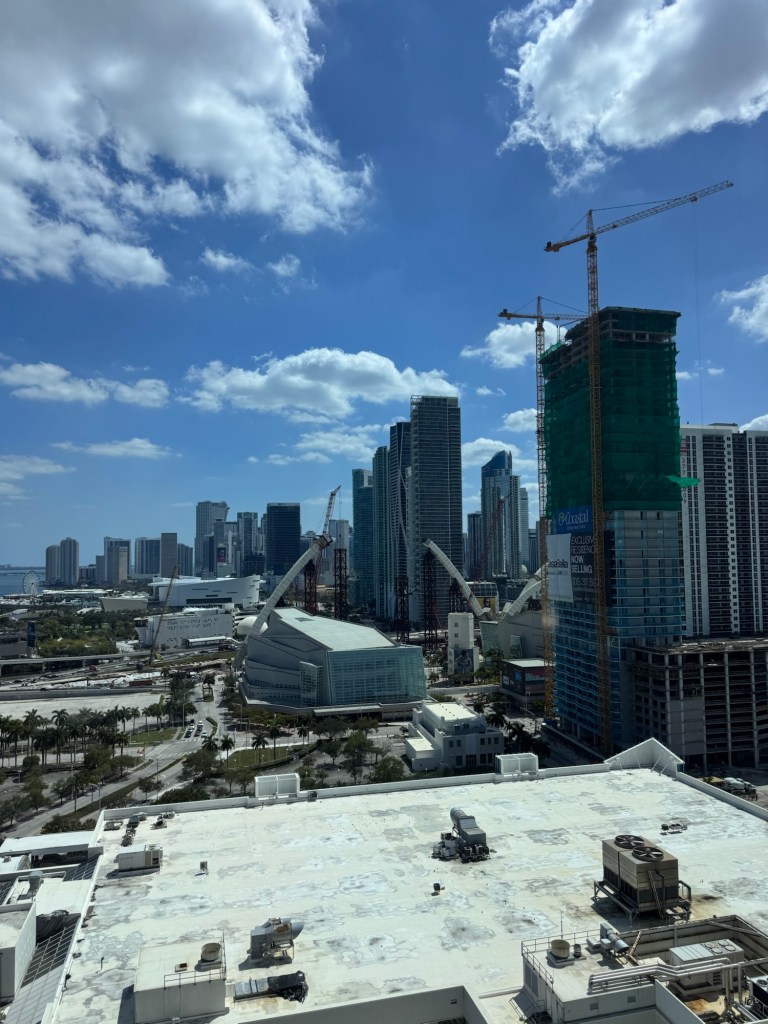
There’s no sugarcoating it: price cuts on home listings have surged to the highest level in nearly a decade, and Florida is right at the center of the correction.
According to Realtor.com’s latest May 2025 Inventory Report, nearly 1 in 5 homes across the U.S. saw a price reduction last month. That’s the highest percentage for May since 2016—and the fifth straight month of growing seller concessions. But this isn’t just a national trend. It’s a Florida story, and if you’re a developer or investor with exposure to the Sunshine State, it’s time to take a closer look.
Why We’re Watching Florida Closely
Among the top metros with the biggest share of price cuts, Tampa, Jacksonville, and Miami are flashing red. Tampa saw nearly 30% of listings drop their prices—a major shift from the high-flying post-COVID market. Jacksonville wasn’t far behind at 28.8%, and Miami is beginning to show similar signs of softness.
What’s driving it? Inventory is climbing. In Tampa alone, active listings are up over 30% year-over-year, and now sit nearly 45% higher than pre-pandemic levels. That alone is a clear indicator of cooling demand.
Meanwhile, list prices are slipping. Tampa’s median price fell 1.6% to $417,500. While that may not sound severe, it’s the momentum shift that matters. The broader Florida narrative—once defined by tight supply and relentless upward pressure on pricing—is now defined by stalled growth and softening fundamentals.
The Supply Boom Has Outpaced Demand
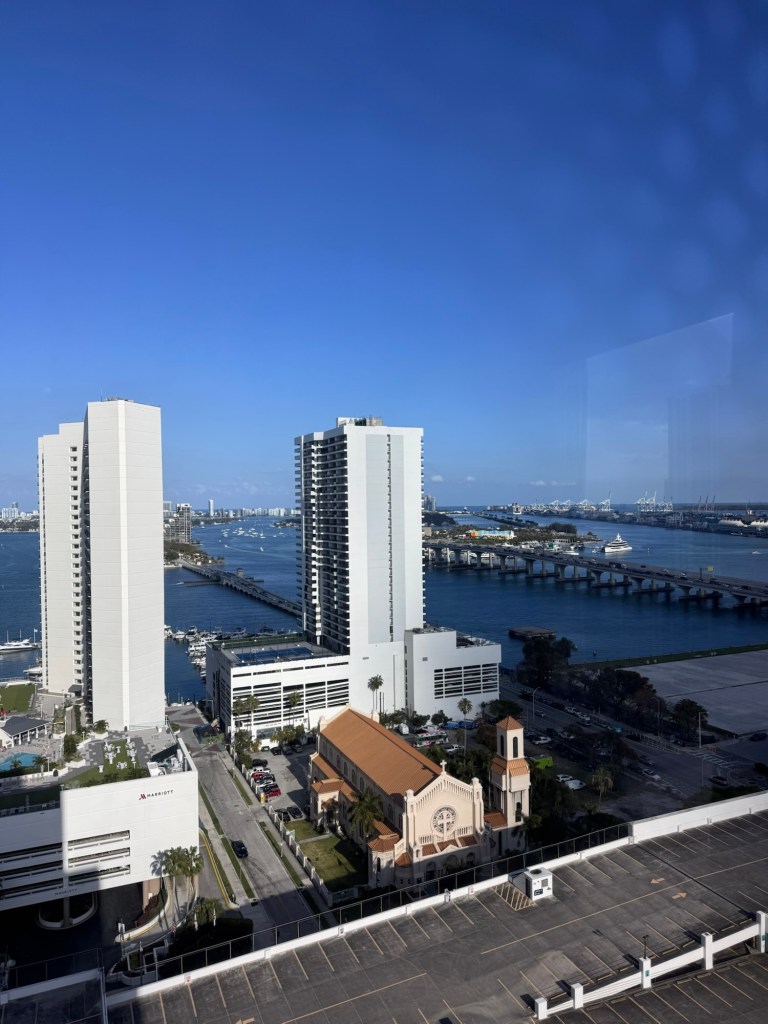
Much of this can be traced to pandemic-era overbuilding, particularly in markets like Florida, Texas, and Arizona. Developers raced to meet demand from inbound migration and remote workers. But now, with higher interest rates, tighter lending, and more cautious buyers, many of those units are hitting the market without buyers lined up to absorb them.
What we’re seeing is a recalibration—not a collapse, but a rebalancing. For developers, that means less pricing power, longer lease-up periods, and increased exposure to carrying costs.
Not Just a Florida Story—But That’s Where It Hurts Most
While Florida is at the epicenter of price cuts, it’s far from the only market showing signs of stress. The South and West are leading the nation in listing reductions, with 21% of homes in both regions seeing price drops in May—nearly double the rate in the Northeast, where low inventory is still propping up prices.
Several major metros are flashing warning lights:
Phoenix, AZ tops the national list with 31.3% of listings discounted. Median list prices fell to $525,000, down more than 3% year-over-year. Inventory in Phoenix has surged 24% year-over-year and is now 26.7% above pre-pandemic levels.
Denver, CO is close behind with 29.4% of listings slashed. The median price dropped 5.8%, and listings are sitting on the market 14 days longer than before COVID. Denver’s active inventory has more than doubled (+100%) compared to pre-2020 levels.
Austin, TX and Seattle, WA are also in correction territory. Austin posted 29.2% of listings with price cuts and a 6.3% annual price decline, the steepest of any major U.S. city. Inventory is up 69% from pre-pandemic levels.
In Seattle, active listings are up 60.9% versus 2019.
These are markets that experienced rapid construction booms, population growth, and speculative capital inflows during the pandemic. But now, buyer fatigue, high mortgage rates, and uncertain economic signals (including tariffs and broader trade policy turbulence) are creating a new dynamic: soft demand meeting rising supply.
How Should Investors and Developers Respond?
The lesson here isn’t to panic—it’s to pivot intelligently. Here’s what we’re advising:
Reassess acquisition underwriting in Florida markets—especially assumptions on rent growth, absorption, and exit cap rates. Look closely at deal timing. Projects coming online in late 2025 and early 2026 may be better positioned than those launching now into a softening demand curve. Target infill opportunities where supply pressure is lower and demand drivers (employment, education, infrastructure) remain strong. Monitor municipal incentives—as cities look to stimulate development or conversion activity, there may be windows for creative capital placement.
Final Word
We’re watching Florida’s pricing pressure very closely—not because we’re bearish on the region long-term, but because the short-term signals are clear: the market is rebalancing, and capital needs to move accordingly.
Across the South and West, price cuts are becoming more common, inventory is rising fast, and the pricing premium of the past few years is fading. For real estate developers and investors, that means this is the time to get sharper, not slower.
As always, I’ll continue to share insights on where the data leads—and how to stay ahead of the curve.
Daniel Kaufman
President, Kaufman Development
 Daniel Kaufman Real Estate
Leave a comment