
If you’re not paying attention to Princeton, Texas, it’s time to start.
Just a decade ago, this small rural community in Collin County had two traffic lights and a population you could count on one hand compared to nearby Dallas. Fast forward to today, and Princeton is officially the fastest-growing town in America—posting a staggering 30.6% population growth from July 2023 to July 2024, according to U.S. Census data.
The momentum here is more than a headline—it’s a window into broader migration trends, affordability-driven demand, and the next wave of suburban development in the U.S.
Affordability and Proximity: The Perfect Combo
Princeton’s rise didn’t come out of nowhere—it’s the result of powerful fundamentals. At just $337,000, the median home list price in Princeton sits well below Dallas ($437K), Plano ($556K), Frisco ($727K), and even nearby McKinney and Allen. It’s a magnet for value-seeking homebuyers, many of whom are priced out of the North Dallas suburbs but still want access to major job markets and quality schools.
The town is close enough to Plano, Frisco, and even central Dallas to commute, but offers a lifestyle rooted in small-town comfort with suburban scale. This combination has attracted young, well-off professionals and families—many coming from California, Illinois, and the East Coast—chasing affordability, space, and a reprieve from taxes and urban pricing pressures.
Builders Are Betting Big—But the City Hit Pause
The building boom has been swift and intense. Major national builders like KB Home, D.R. Horton, and Starlight Homes have descended on the town, churning out single-family developments that now make up 96% of local listings. In April alone, there were 330 active listings, up nearly 73% year over year.
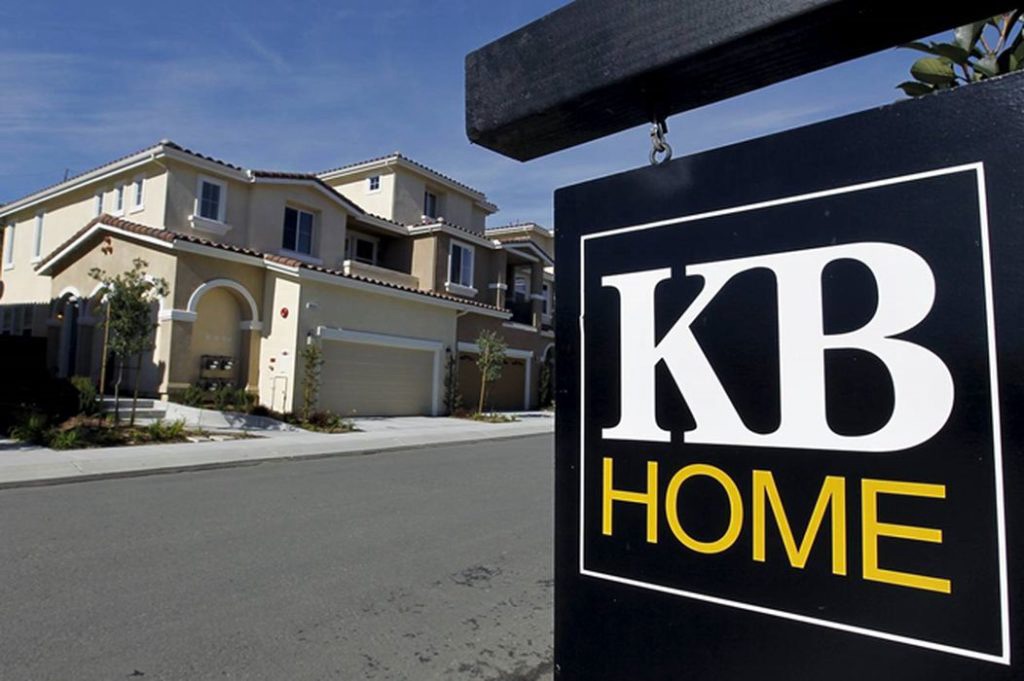
KB Home’s 10-plan Princeton Estates, which launched in 2024, exemplifies what’s happening on the ground. Brand-new homes are still going up—and still seeing demand—but the city had to tap the brakes. In response to infrastructure constraints, Princeton enacted a temporary moratorium on new residential development in late 2024 to give roads, water systems, and public services a chance to catch up.
This move didn’t stop growth—it simply pushed it outward. Neighboring towns like Anna, Celina, and Melissa are now benefiting from spillover demand, offering similar affordability with fewer restrictions.
Signs of Softening—but It’s Not a Bubble
In Q2 2025, we’re seeing some expected cooling. Median home list prices in Princeton dipped 6.2% year over year, and average days on market rose to 45, up 44% from last year. Builders like KB have responded with price cuts, some slashing $30K+ from asking prices since February. This isn’t panic selling—it’s a reset after an unsustainable sprint.
Importantly, there are still 10,000 homes in the pipeline, and the city’s $109 million bond program for parks and infrastructure signals that Princeton is gearing up for long-term expansion, not retreat.
What It Means for Investors and Developers
What’s happening in Princeton is a case study in growth-market fundamentals. The playbook is clear:
Affordability + proximity to strong job centers Favorable demographics (median age 33.2, household income $90,809) Builder momentum in new communities A city willing to hit pause to ensure quality of life catches up with quantity of growth
If you’re in the land game, this is a market to scout. If you’re a builder, it’s a masterclass in demand pacing. And if you’re a capital allocator, watch where the infrastructure dollars are flowing—because those roads, parks, and schools are laying the groundwork for the next decade of value creation.
Zoom Out: It’s Not Just Princeton
Texas as a whole is booming. Towns like Fulshear, Celina, Anna, Fate, and Melissa also posted double-digit growth. Big cities like Houston, Fort Worth, and San Antonio remain population magnets. And on a national level, metros once thought to be on the decline—New York City, Los Angeles, even Deltona, Florida—are adding residents again.
Migration trends aren’t just about red vs. blue states or remote work anymore. They’re about livability, affordability, and infrastructure. And the most agile developers will follow the fundamentals—not the headlines.
Bottom Line:
Princeton might be the fastest-growing small town in America, but it’s also a signal of where the next wave of suburban expansion is headed. For developers and investors who want to get ahead of the curve, this is the kind of market worth tracking—and replicating.
 Daniel Kaufman Real Estate
Leave a comment