
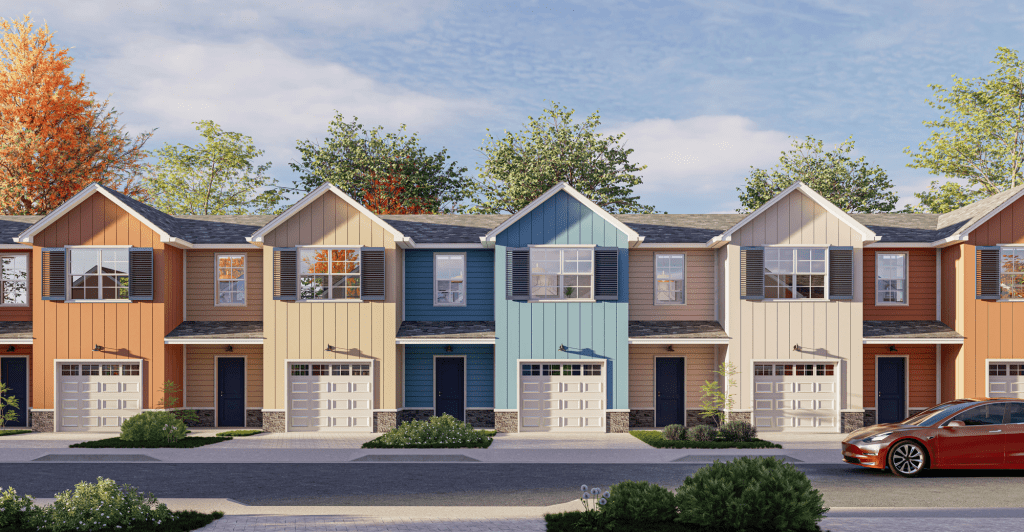
As housing affordability continues to decline, institutional capital is flowing into one of the fastest-growing corners of residential real estate: single-family build-to-rent (BTR). For real estate professionals, the message is clear—this is no longer a niche. It’s a movement.
The New Math: Renting vs. Owning
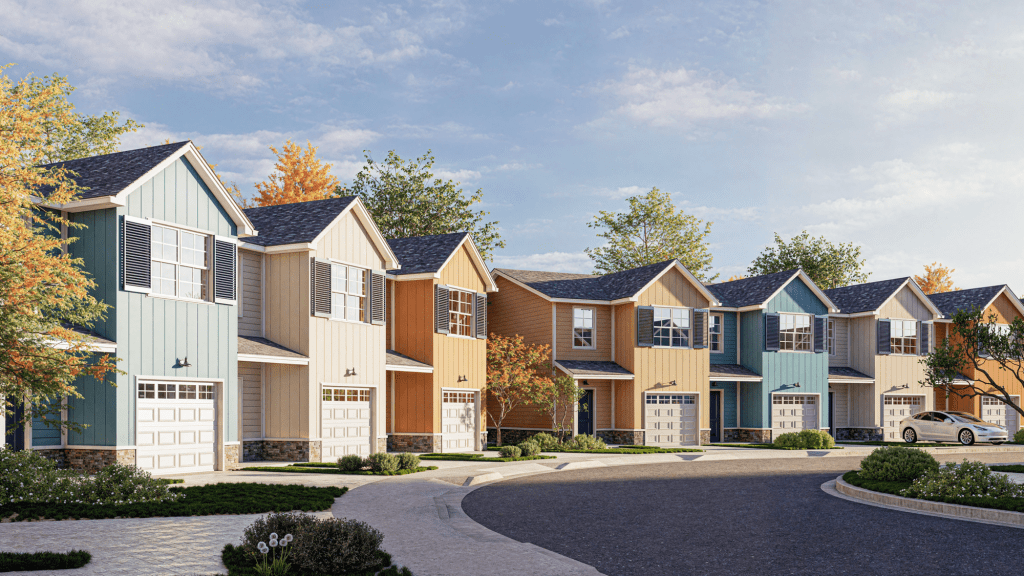
The average mortgage payment in the U.S. has now climbed to nearly $2,600 a month, while average rent sits closer to $1,800. In nearly half of America’s top metros, renting is not just more affordable—it’s often the only option for households priced out of ownership.
This affordability gap is accelerating interest in BTR communities, which combine the benefits of detached living with the ease of renting. According to Yardi Matrix, the BTR sector recorded $2.2 billion in transactions last year, with no signs of slowing down.
Institutional Players Are All In
Wall Street isn’t just circling the space—it’s diving in.
AvalonBay Communities acquired 126 BTR homes in Texas for $49 million, with plans to invest $1 billion more into the sector. Blackstone, Invitation Homes, and Pretium Partners are also scaling their portfolios, attracted by strong occupancy rates and durable cash flow. JP Morgan has entered the fray, forming a BTR platform in partnership with Paran Homes and Georgia Capital.
These moves reflect growing confidence in the sector’s long-term fundamentals—especially as traditional multifamily faces headwinds from oversupply and higher interest rates.
Who’s Renting—and What They Want
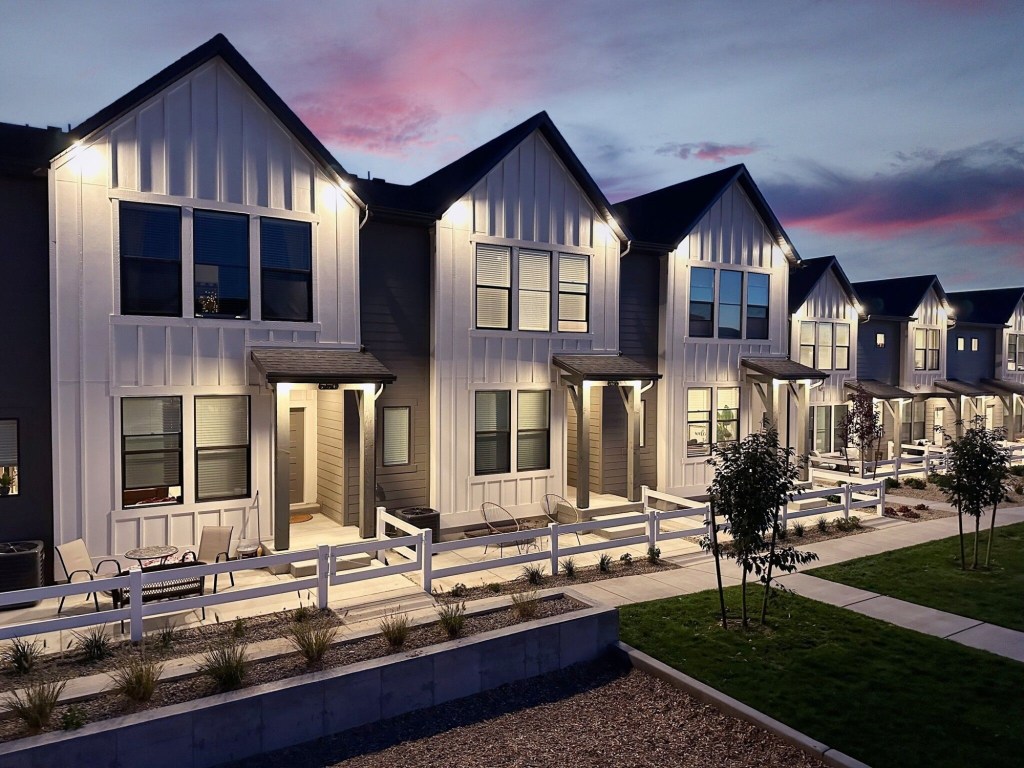
Roughly 20 million single-family homes are rented across the U.S., with 340,000 in purpose-built BTR communities. Institutional ownership still accounts for just 4% of the market, signaling room for growth.
The tenant base is diverse:
Millennials looking for space to raise families. Empty nesters seeking low-maintenance living. Remote workers craving more square footage without the burden of homeownership.
More than 30% of BTR tenants are former homeowners, according to recent data. What they’re seeking isn’t just affordability—it’s lifestyle.
What’s In Demand:
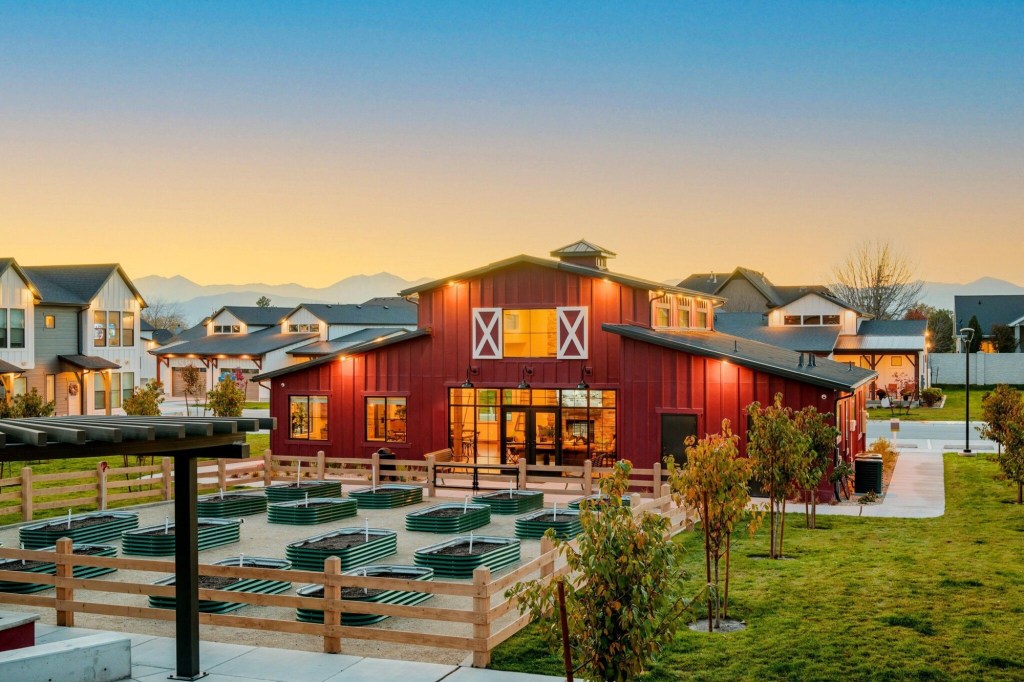
Private yards Smart-home features like keyless entry and Wi-Fi thermostats Maintenance-free living Community amenities—pools, trails, green spaces, and dog parks
Market Momentum: Where It’s Growing
While the Sun Belt remains a stronghold, BTR rent growth is picking up in Midwestern metros:
Harrisburg, PA: 4.1% rent growth Cleveland, Columbus, Kansas City: Each topping 3.5%
Markets like Raleigh, Las Vegas, and the Inland Empire are showing higher occupancy rates for BTR units than traditional multifamily.
After a record 41,400 units were delivered in 2024, the pipeline will taper—35,000 in 2025, followed by just 19,500 by 2027. That shrinking pipeline is a signal: supply is tightening, but demand isn’t.
A Model That’s Scaling: Mission10K
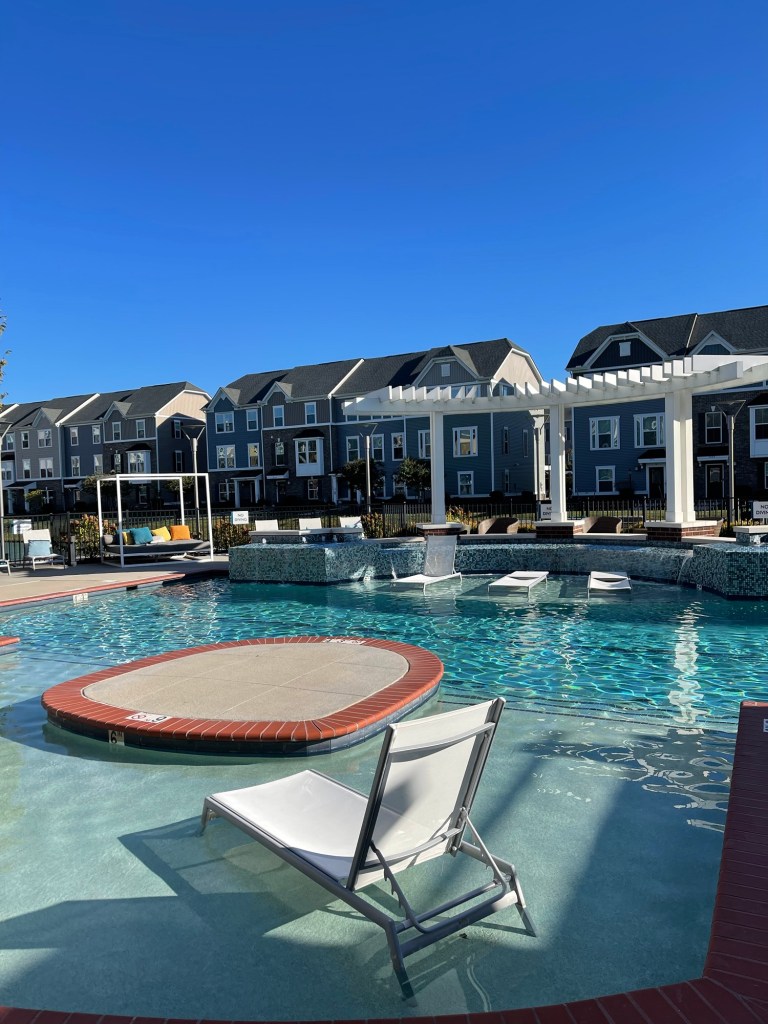
At Mission10K, we’ve seen this transformation firsthand. Our platform was built to meet this exact moment—connecting capital to high-yield, scalable build-to-rent opportunities across the country.
Mission10K is more than a fund. It’s a movement to deliver 10,000 quality rental homes across key U.S. markets. Our strategy prioritizes:
Smart site selection in underserved metros Fast, efficient construction cycles Tenant-focused designs and tech-enabled management
The excitement around Mission10K is building—with active projects in the pipeline and investor momentum accelerating. We’re not just riding the BTR wave—we’re helping shape it.
Learn more or join us at www.mission10k.com.
Final Take
As the traditional path to homeownership becomes harder to access, single-family rental communities offer a practical—and often preferable—alternative. The model works. The returns are real. And the demand is only growing.
Whether you’re deploying capital, looking to co-develop, or seeking your next strategic move, the time to explore BTR is now. Wall Street already has. The rest of us shouldn’t be far behind.
 Daniel Kaufman Real Estate
Leave a comment