
The future of construction might be arriving faster than most of us expected—and it’s being printed, not built.
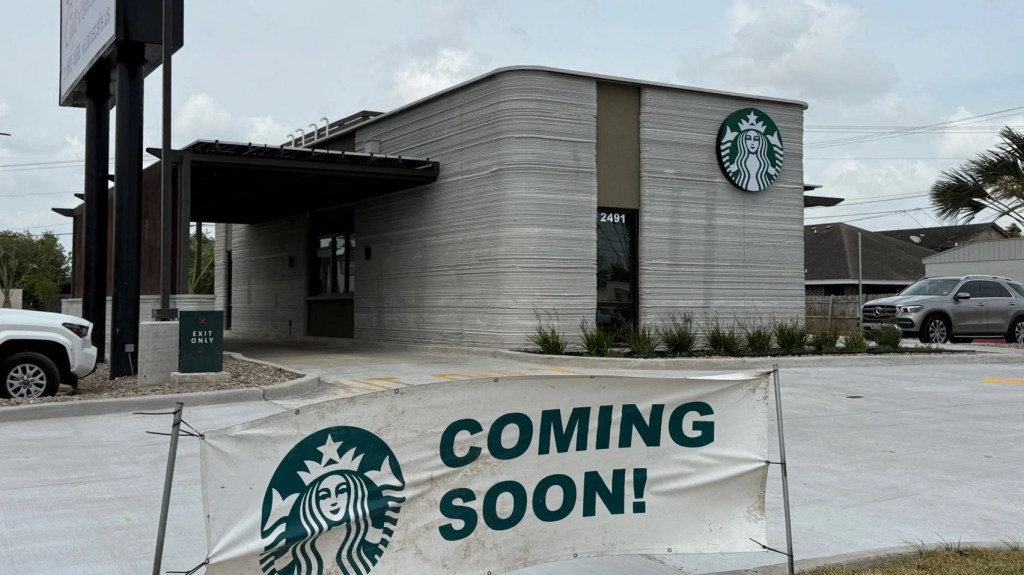
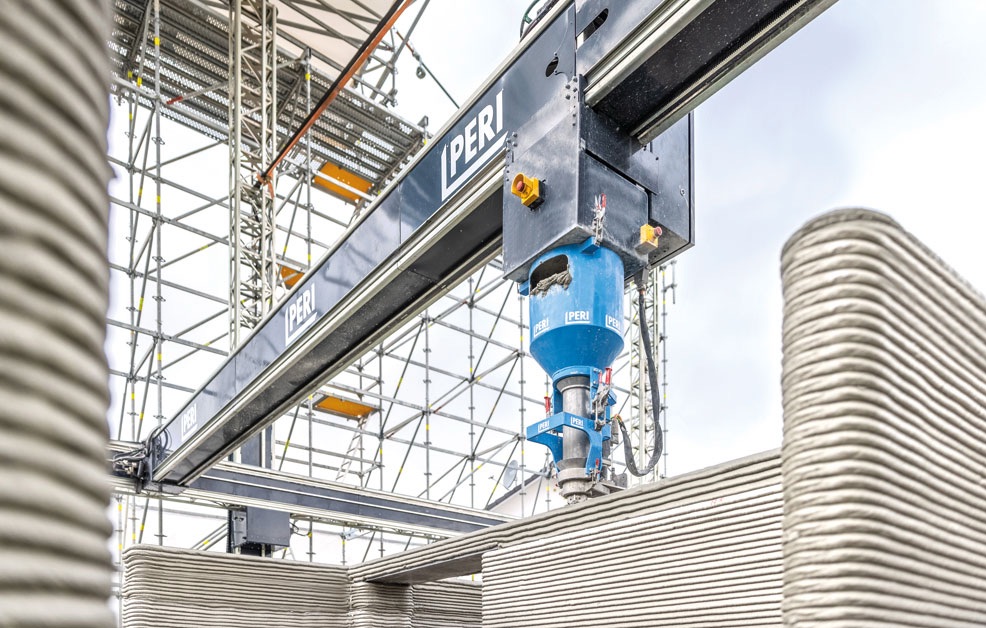
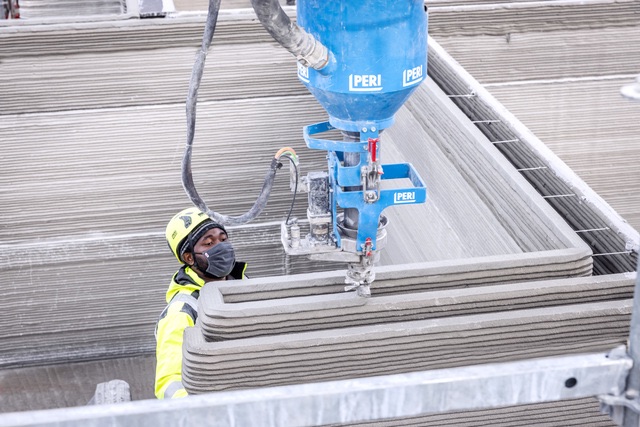
Starbucks recently opened a 3D-printed, drive-through-only store in Brownsville, Texas, marking one of the most visible uses of additive manufacturing in the commercial retail sector to date. At 1,400 square feet, the structure was constructed using a large-scale robotic printer that extrudes layers of concrete—functionally replacing traditional framing and wall systems.
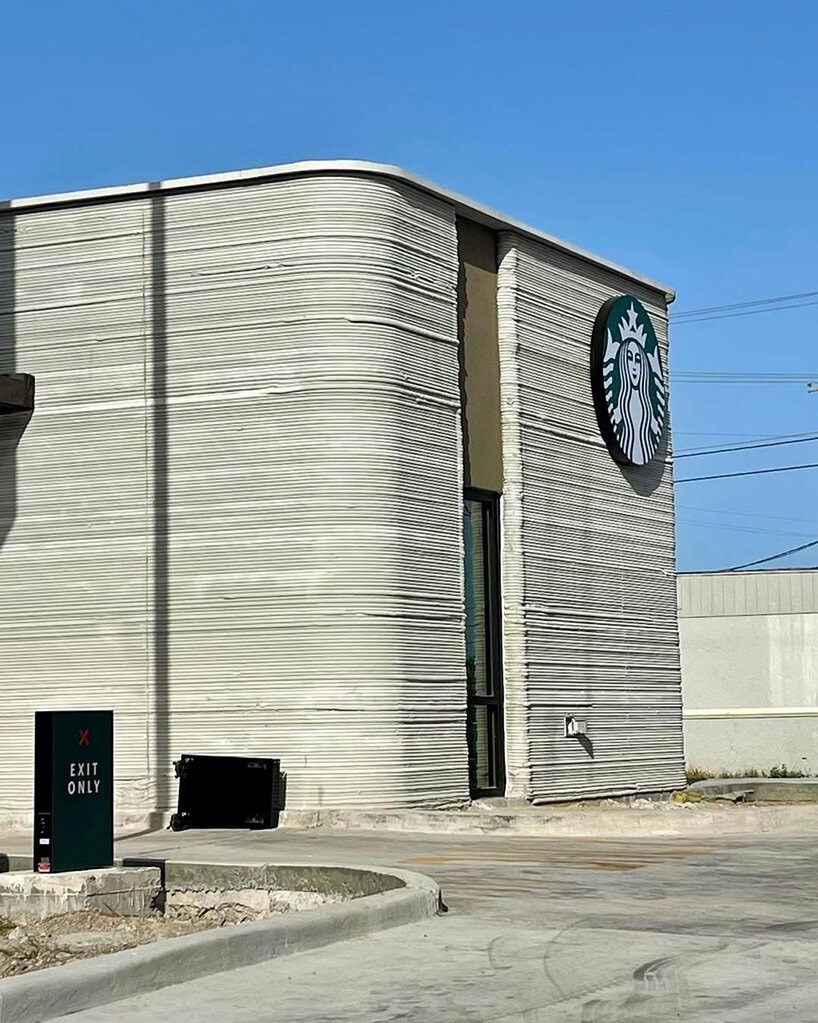
According to filings with the Texas Department of Licensing and Regulation, the building cost around $1.2 million to complete. That number places it firmly within the conventional range for a ground-up retail build, which typically runs $749,000 to $2 million depending on location and complexity. But as adoption scales and printing processes are refined, cost reductions are likely to follow.
We’ve already seen this at scale. Lennar Corporation—working in partnership with ICON—has built an entire 100-home community in Georgetown, Texas, using 3D printing. The results: reduced labor, lower material waste, and faster delivery times. Lennar’s Stuart Miller noted that the company is already seeing a 50% cut in cost and cycle time in early rollouts.
What This Means for Construction
In a time when material costs have jumped 19% since 2020 (per Gordian), and labor shortages continue to pressure project timelines, innovations like 3D printing are gaining serious momentum. With potential to trim both hard and soft costs, streamline construction schedules, and deliver higher consistency at scale, it’s no surprise that interest in the tech is expanding well beyond residential.
International examples are piling up. Japan recently unveiled a 3D-printed train station built in just six hours. In Europe, German-based Peri 3D Construction—the firm behind Starbucks’ printed store—has already completed over 15 structures, including multifamily and single-family residential projects.
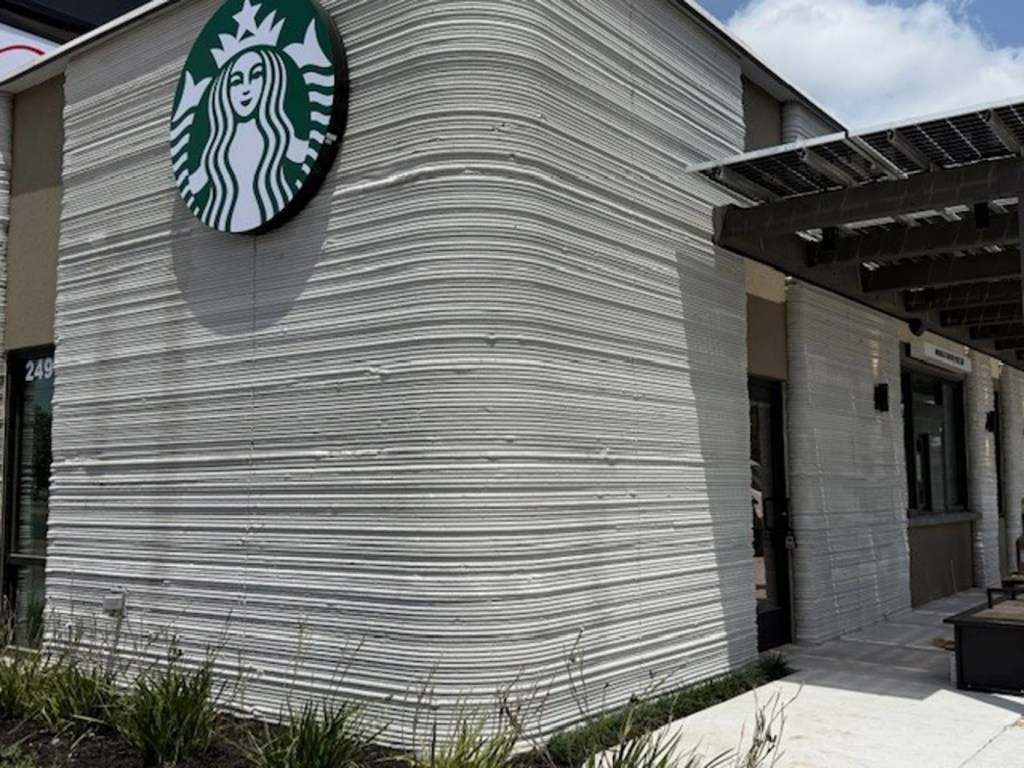
What sets the Starbucks project apart is its entrance into branded, high-traffic retail. It’s one thing to experiment with homes or infrastructure. It’s another for a global consumer brand to adopt the model for an operational store that interacts daily with customers.
Not Just Buildings—Not Just Buzz
3D printing’s influence is also showing up in restaurant design and operations, from custom seating and furniture to experimental food production. But using it for full-building construction represents a meaningful shift—especially in sectors like QSR (quick-service restaurants), where repeatable design, speed-to-market, and unit cost predictability are key drivers.
While it’s far from mainstream, this pilot opens the door for future rollouts and invites serious attention from developers, architects, and GCs alike. If Starbucks can scale this model to additional locations, the conversation around printed commercial buildings is going to move from novelty to necessity fast.
Bottom line: This isn’t a gimmick—it’s a test case with real potential. For construction and development professionals, the time to start understanding 3D-printed structures isn’t “someday.” It’s now.
 Daniel Kaufman Real Estate
Leave a comment