
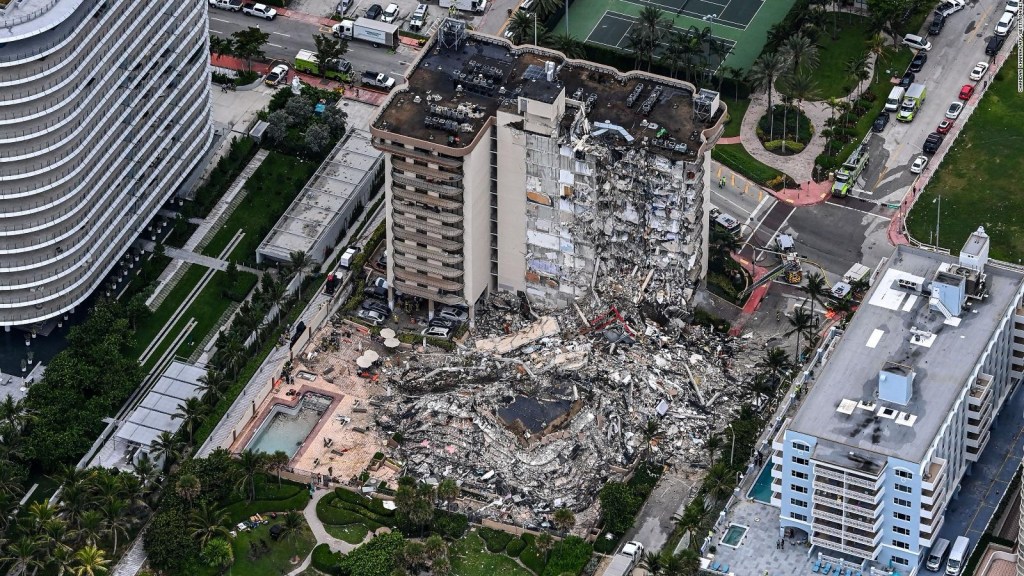
Ninety-eight lives lost.
A housing shock unleashed.
The collapse of the Champlain Towers South condominium in Surfside, Florida, on June 24, 2021, wasn’t just a tragedy—it was a pivotal moment for Florida’s housing market. In the aftermath, the state rushed to implement new structural safety mandates: more inspections, larger reserve requirements, and stricter deadlines for compliance by the end of 2024.
The result? Sharp upward pressure on HOA fees and a wave of special assessments, particularly for older coastal condo buildings. A market already teetering at extreme price levels was suddenly hit with an unexpected and severe affordability squeeze.
And this came at a fragile time.
Florida’s housing market, supercharged by the Pandemic Housing Boom, was already showing signs of strain. Its rapid price escalation during the boom years left it vulnerable to any shift in the supply-demand balance. The Surfside-driven financial shock—and the broader insurance cost surge—provided just the catalyst needed to expose those vulnerabilities.
Then came the migration slowdown.
In 2022, Florida gained over 314,000 new domestic residents.
By 2024, that number had dropped to just 64,000.
And now, in 2025, Florida is tracking a net population loss for the first time in years.
The pandemic-era flood of Northern and West Coast transplants, flush with cash and indifferent to sticker shock, has not only slowed—it’s reversed. Without them, Florida’s home prices are now being asked to rely more on local incomes—a much tougher proposition given the rapid appreciation that occurred during the boom.
Layer in skyrocketing insurance premiums (themselves a delayed echo of the replacement cost inflation from 2021–2022), and you get a perfect storm: strained affordability, slowing demand, growing supply—and now, fewer people to absorb it all.
And supply matters a lot in Florida.
Unlike land-constrained markets in the Northeast or Midwest, Florida’s builders can—and do—respond quickly to shifting demand. With more new inventory hitting the market, builders are turning to aggressive affordability tools like mortgage rate buydowns to move product. That’s pulling buyers away from the resale market and putting additional pressure on existing home prices.
In short, Surfside didn’t just bring new safety standards.
It triggered a chain reaction that’s helping to reset Florida’s overheated housing market.
For developers and investors, this creates both risk and opportunity.
The key now is understanding where distress might appear first—and positioning for it.
About the Author
Daniel Kaufman is a real estate developer, investor, and founder of Kaufman Development. With two decades of experience building, repositioning, and investing across the United States, Daniel brings a pragmatic yet opportunistic perspective to today’s dynamic real estate environment. His work is centered around creating value through strategic investments while navigating the shifting forces shaping housing markets. Follow his insights at www.danielkaufman.info.
 Daniel Kaufman Real Estate
Leave a comment