
By Daniel Kaufman
In a market where the national housing narrative has been dominated by affordability crises, stalled sales, and rental recalibration, a quieter—but equally critical—trend is taking shape: a surge in housing vacancies.
According to new U.S. Census Bureau data analyzed by Realtor.com economists, some U.S. metros are seeing dramatic spikes in unoccupied homes—and that should be on every developer and investor’s radar. While elevated vacancy is typically framed as a warning sign for local communities (declining values, rising crime, neighborhood erosion), for investors, it’s also a signal—either of opportunity or risk depending on the market and the story behind the numbers.
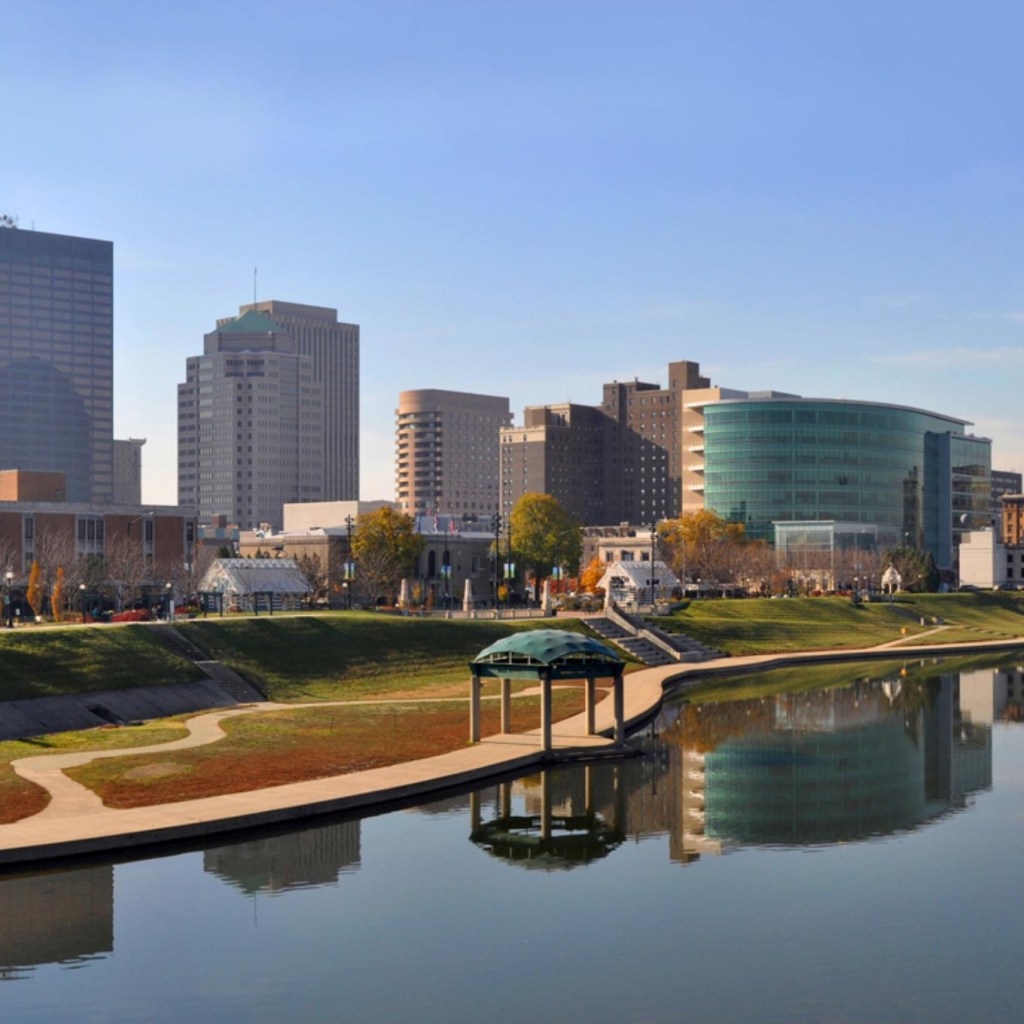
Dayton, Ohio: The Nation’s New Vacancy Leader
Dayton, OH just topped the list of metros with the largest increase in homeowner vacancy rates, hitting 5% in Q4 2024—a more than 4% rise from pre-pandemic levels.
What’s happening in Dayton isn’t just about softening demand. It’s about mismatch. High homeownership rates + high vacancy = inventory that people own but don’t want to live in. According to Realtor.com analyst Hannah Jones, a sharp drop in buyer demand and a run-up in home prices (from $158K in 2019 to $236K in 2024) have left many homes behind. The product simply isn’t aligning with current preferences.
For developers, this highlights a key insight: not all affordable markets are investable if the housing stock doesn’t meet today’s quality or lifestyle expectations.
Florida: A Cluster of Vacancy Surges
The more telling trend may actually be happening in Florida, where four of the top five metros with rising vacancy are located. Here’s the breakdown:
Tampa/St. Pete/Clearwater: 2.9% vacancy, up 1.8% since 2019 Orlando: 3.3% vacancy, up 1.4% Cape Coral/Fort Myers: 1.7% vacancy, up 1.2% Miami: 2.6% vacancy, up 0.9%
This is especially notable because these are high-demand, high-price metros that have been magnets for both migration and institutional capital in recent years.
So what’s going on? A few things:
Inventory is climbing. Active listings in Florida hit 177,000 in March—15.7% higher than five years ago. Buyer demand is cooling. High prices, surging insurance premiums, and broader economic uncertainty are keeping buyers on the sidelines. Investor product is sitting longer. Many of these homes were built or bought for short-term rental or speculative appreciation—and now that math isn’t penciling as easily.
In short, Florida markets may be tipping from scarcity to oversupply in specific subsegments.
The Takeaway for Real Estate Professionals
Vacancy is a nuanced metric. Rising rates aren’t always bad—but they’re rarely benign. For investors, the key is to understand why homes are sitting empty:
Mismatch in product? That’s a red flag. Too much investor inventory? That’s a bubble risk. Temporary demand disruption with a clear recovery window? That might be a buying opportunity.
At Daniel Kaufman Real Estate, we’re actively tracking these shifts across our pipeline. Especially in markets like Florida—where the fundamentals still support long-term growth—we’re evaluating how product type, insurance exposure, and migration patterns interact with these vacancy surges.
In contrast, metros like Albany, Little Rock, Kansas City, Austin, and St. Louis are showing the opposite trend—with sharp declines in vacancy, reinforcing strength in their underlying fundamentals.
As always, context is king. Vacancy can either be a value trap or a window of opportunity, depending on how you read the terrain.
 Daniel Kaufman Real Estate
Leave a comment