
By Daniel Kaufman, Real Estate Developer & Investor – www.danielkaufman.info
The housing crisis in ski towns is no longer just a problem for seasonal workers—it’s a looming issue that threatens the very sustainability of the ski industry itself. As real estate investors and developers, we need to recognize the deep impact of this crisis—not just from an economic perspective but also in terms of community stability, workforce retention, and even the long-term future of ski resorts.
And if you’re a skier? You should be concerned too.
How We Got Here: The Perfect Storm of Rising Prices & Limited Supply
Ski town housing shortages aren’t new, but the situation has escalated in recent years. A combination of factors has driven this crisis to new extremes:
• Skyrocketing Real Estate Prices: The pandemic fueled a surge in demand for mountain properties, with remote workers and second-home buyers snapping up properties at record rates. In places like Jackson Hole, Teton County, and Aspen, home prices have soared well beyond the reach of local workers.
• The Rise of Short-Term Rentals: Platforms like Airbnb and Vrbo have allowed property owners to earn far more renting to tourists than to locals. This has dramatically reduced the supply of long-term rentals, leaving seasonal and full-time workers with nowhere to live.
• Lack of Developable Land: Many ski towns are landlocked by national forests, zoning restrictions, and environmental protections, making new development both costly and slow-moving.
• Wage Stagnation vs. Cost of Living: While property values and rental rates have skyrocketed, wages for ski resort employees, restaurant workers, and other essential staff have barely budged.
Ski Resorts Are Feeling the Impact
If ski towns can’t house their workers, their entire economies are at risk. In recent years, staffing shortages have led to shorter lift hours, reduced terrain openings, longer food and rental lines, and poor guest experiences.
Carl Ribaudo, president of SMG Consulting, sums it up well:
“The continued lack of affordable housing for residents and employees within the tourism industry limits the competitiveness of the destination. If you don’t have enough employees to provide services to visitors, how competitive can you be?”
This is a problem for investors too. If a ski town can’t attract workers, businesses struggle, property values fluctuate, and resorts risk declining profitability.
The Case of Sunday River: A Warning for Other Resorts
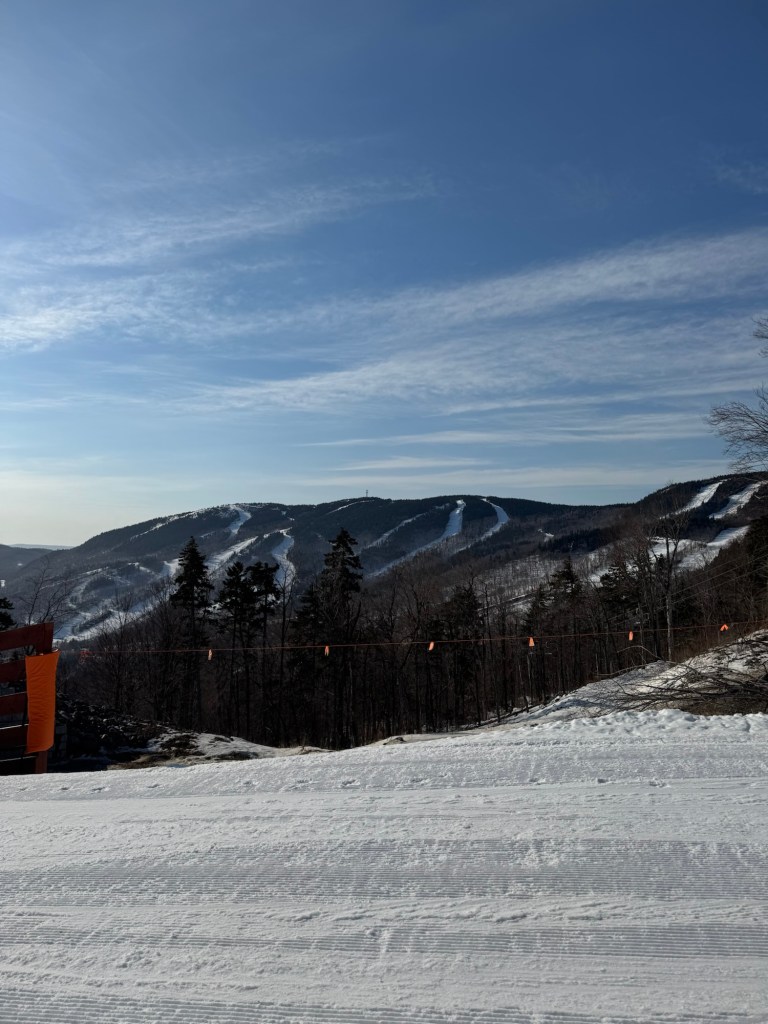
Let’s take a look at my home mountain, Sunday River in Newry and Bethel, Maine, where the housing crisis is escalating.
• Developers are purchasing land for high-end luxury homes and condos, pricing out local workers.
• Seasonal employees struggle to find housing, forcing them to commute long distances, sometimes in hazardous winter conditions.
• Local businesses—restaurants, shops, and even the resort itself—are struggling to hire and retain staff.
• Bethel, a once-affordable mountain town, has seen real estate prices soar as more out-of-state buyers enter the market.
As a result, Sunday River is experiencing operational challenges similar to what we’ve seen in Vail, Jackson Hole, and Breckenridge. If this trend continues, it could threaten the long-term viability of the resort and surrounding businesses.
Why Skiers Should Be Paying Attention
If you love skiing, this housing crisis affects you more than you might think.
• Higher prices: When resorts struggle to staff up, operational costs increase, and these costs inevitably get passed down to skiers.
• Less terrain open: Fewer workers mean fewer lifts running, fewer ski patrol members, and fewer available services.
• Declining local culture: The ski bum culture—the people who move to ski towns for their passion—could disappear entirely, replaced by only those who can afford multi-million-dollar second homes.
Solutions: What Can Be Done?
While the challenges are steep, ski towns across the country are exploring solutions:
1. Deed-Restricted Housing Programs
• Programs like Vail InDEED and Breckenridge Housing Helps incentivize homeowners to keep properties available for local workers rather than second-home buyers or vacation rentals.
• “We don’t have a housing problem, we have an occupancy problem,” says George Ruther, Housing Director for Vail. “Our goal is to keep locals in the homes that already exist.”
2. Limiting Short-Term Rentals
• Some ski towns, like Telluride, CO, have begun placing caps on short-term rentals to preserve long-term housing availability.
3. Encouraging Employer-Owned Housing
• Vail Resorts, Boyne Resorts (owner of Sunday River), and other ski corporations are working to expand their employee housing programs, but progress is slow.
4. Creative Incentives for Locals
• Deer Valley recently launched a program offering season passes to residents who provide housing to resort employees.
• Eagle County, CO, is offering loans to property owners to build or renovate accessory dwelling units for local workers.
5. Public-Private Partnerships
• Some mountain towns are using tax incentives and grants to encourage developers to build workforce housing.
• Cities like Truckee, CA, are working with Placemate (formerly Landing Locals) to match second-home owners with long-term renters.
A Call to Action for Investors & Developers
As a real estate developer and investor, I see both challenge and opportunity in ski town housing shortages.
• There is huge demand for workforce housing—developers who focus on attainable, year-round housing in ski towns will find strong rental demand and consistent occupancy.
• Public-private partnerships offer incentives for developers willing to create housing solutions.
• The long-term viability of ski towns depends on our ability to find solutions—whether through zoning reform, mixed-use development, or sustainable rental policies.
As I look at my investments, I’m increasingly focused on how to create solutions that benefit both communities and investors. It’s time for real estate professionals to think beyond short-term profits and focus on long-term sustainability in ski towns.
Final Thoughts: The Future of Ski Towns Is at Risk
If we don’t address ski town housing shortages now, we risk losing the very communities that make skiing special. The disappearance of affordable housing will drive workers away, weaken ski town economies, and ultimately damage the ski industry as a whole.
Skiing has always been about passion, adventure, and community. Let’s make sure we don’t price out the very people who keep these towns alive.
If you’re a real estate developer or investor, now is the time to get involved. There is opportunity in building the housing these communities desperately need—and in doing so, we can help protect the future of ski towns for generations to come.
Daniel Kaufman is a real estate developer and investor. Learn more at www.danielkaufman.info.
 Daniel Kaufman Real Estate
Leave a comment