
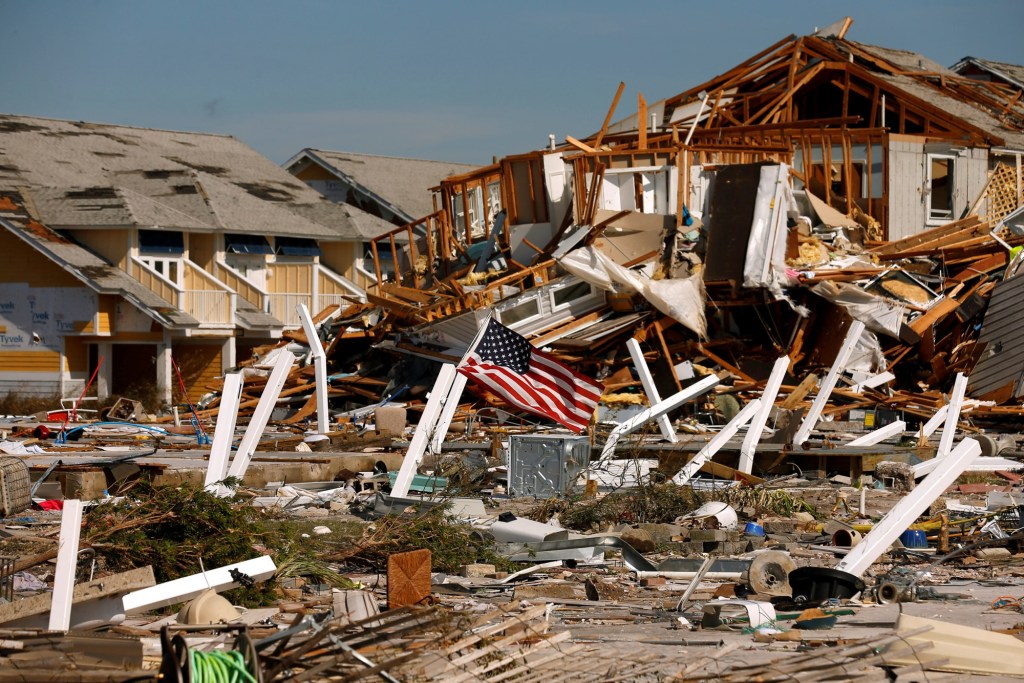
Florida’s skyrocketing home insurance rates are drawing new scrutiny. A recent Miami Herald/Tampa Bay Times investigation reveals that while insurers have blamed storm losses for rapid premium hikes, their parent companies and affiliates have been raking in billions.
For real estate developers and investors, this raises critical concerns: Are rising insurance costs truly justified, or are they artificially inflated by internal profit-shifting? And more importantly, how will this impact Florida’s housing market and investment outlook?
The Investigation: Insurers Claim Losses, Affiliates Pocket Profits
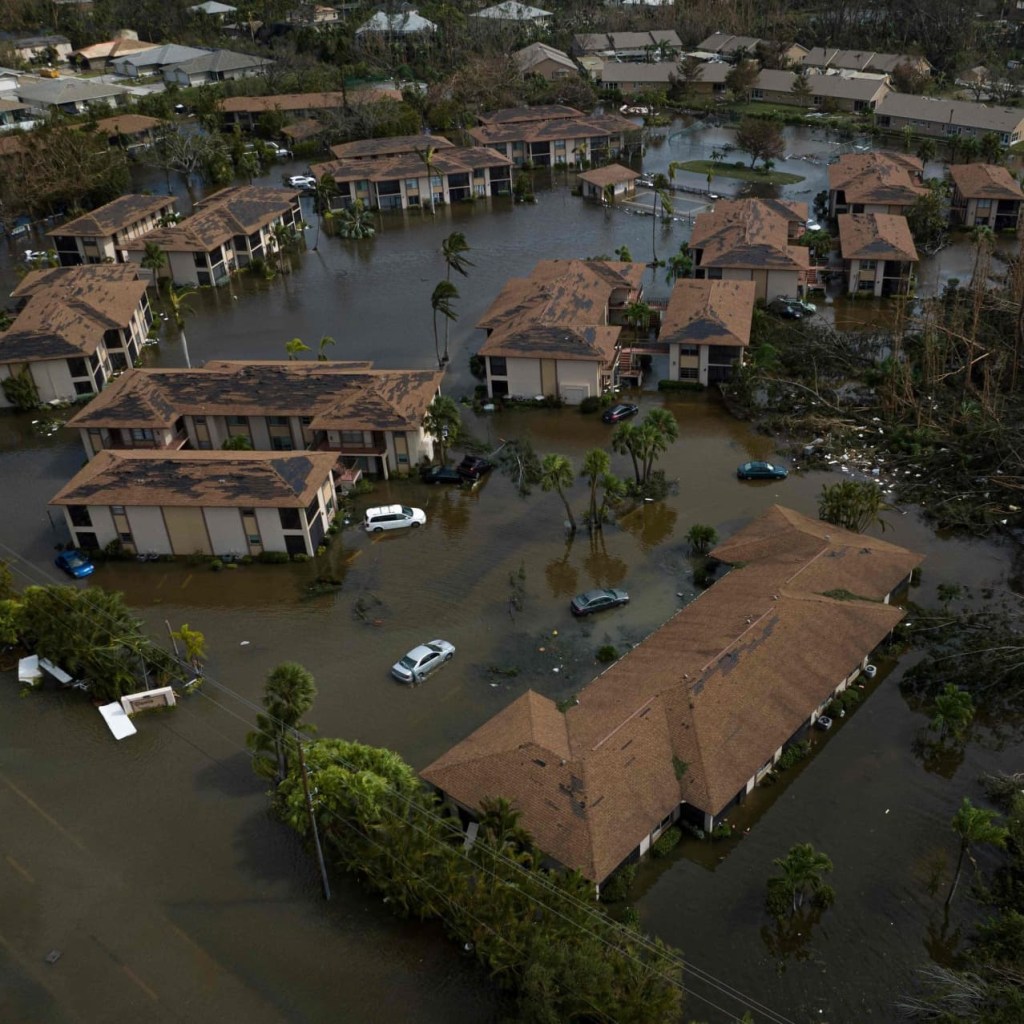
According to a newly obtained 2022 analysis from Florida’s Office of Insurance Regulation (OIR), many insurers in the state reported net losses after hurricanes Irma (2017) and Michael (2018). However, during that same period:
• 53 Florida insurers paid out $680 million in dividends to investors.
• They also paid $48 million to parent companies to settle internal debts.
• Their affiliates—out-of-state service providers often owned by the same parent companies—made $1.8 billion in profits.
In total, when factoring in two large national insurers, parent companies and affiliates made a staggering $14 billion.
The report suggests that some insurers may be using inflated fees to affiliates as a way to funnel profits away from their Florida-based entities—where state laws limit excessive profits—and into their broader corporate structures.
How This Affects Florida Real Estate Developers and Investors
1. Rising Insurance Costs Threaten Home Affordability
• Florida already has the highest home insurance premiums in the U.S.
• 20% of Florida homeowners pay over $4,000 annually for coverage, far exceeding national averages.
• Higher insurance costs make homeownership less affordable, dampening demand for new developments.
2. More Risk for Investors and Lenders
• Higher insurance rates eat into NOI (Net Operating Income), impacting property values.
• Lenders may reassess risk, requiring higher reserves or lower LTVs on Florida properties.
• Institutional investors could pull back from Florida’s residential market if insurance costs make projects less viable.
3. Is Regulatory Action Coming?
• Florida regulators say they’ve gained more oversight powers since 2022, but critics argue reforms haven’t gone far enough.
• Gov. Ron DeSantis is under pressure to investigate, with some legislators pushing for a statewide grand jury probe.
• The OIR has already canceled or modified some affiliate fee agreements, signaling a crackdown may be underway.
What Developers and Investors Should Watch For
✅ Legislative Changes: If the Florida Legislature tightens regulations on affiliate fee structures, some insurers may have to adjust pricing strategies—potentially slowing premium hikes.
✅ Market Corrections: If excessive fees are reined in, Florida’s insurance market could stabilize, reducing risks for homeowners and investors.
✅ Lender Reactions: Rising insurance costs may impact underwriting standards for residential and commercial loans, shifting investment strategies.
✅ Investment Opportunities: If regulatory scrutiny forces certain insurers out of the market, new insurance providers could emerge, creating more competitive pricing and new investment avenues.
The Takeaway: A Market Under Pressure
Florida’s home insurance market is at a crossroads. If regulatory action succeeds in addressing profit-shifting tactics, developers and investors may see stabilized insurance costs and a more predictable investment climate.
However, if costs continue to rise unchecked, affordability concerns could slow new development, impact property values, and force investors to rethink their Florida strategies.
For now, developers and investors must factor rising insurance costs into every deal—because in Florida, the cost of coverage could make or break a project.
 Daniel Kaufman Real Estate
Leave a comment