
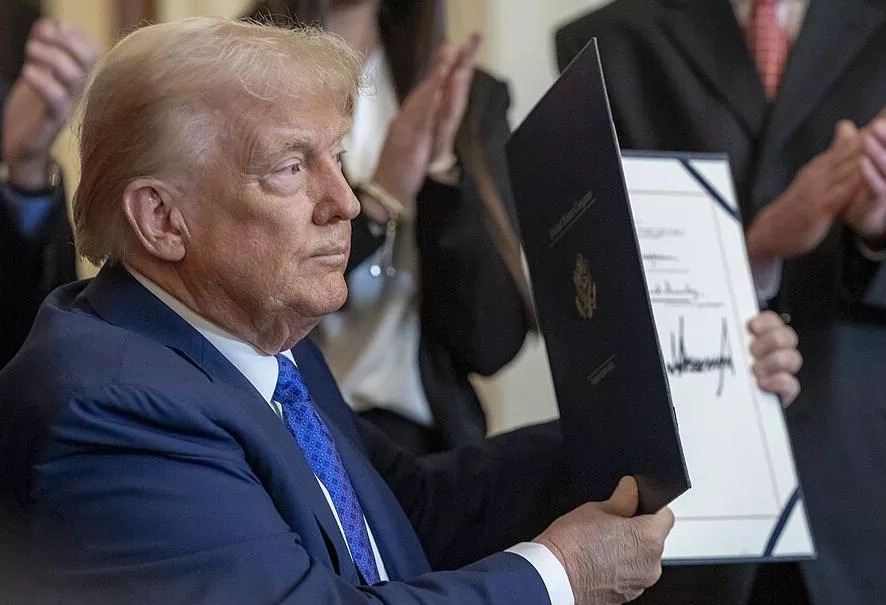
Over the weekend, former President Donald Trump announced new tariffs on imports from Mexico, Canada, and China—a decision that will have a major ripple effect on the economy, real estate development, and even the cost of everyday items.
For those of us not in real estate or construction, tariffs might seem like an abstract economic policy. But in reality, they have real, tangible consequences that will hit our wallets fast—whether you’re building a home, buying groceries, or filling up your gas tank.
What Exactly Are These Tariffs?
Trump’s executive order imposes:
• 25% tariffs on goods from Mexico and Canada
• 10% tariffs on goods from China
This means that anything imported from these countries will now be more expensive—and that includes a huge chunk of what we use in daily life.
Why This Matters for Homebuilding and Real Estate
If you’re in the market for a new home or thinking about renovating, these tariffs will directly impact costs. Here’s how:
🏠 Building a Home Will Get More Expensive
• Mexico supplies concrete, cement, roofing materials, steel, glass, and windows.
• Canada is one of the biggest suppliers of lumber, asphalt, and steel.
• China provides building stone, cement, glazing glass, and aluminum—key materials in everything from kitchen countertops to stair railings.
With higher costs for these materials, home prices and rent will rise as developers pass those expenses down to buyers and renters.
🚧 Construction Projects Could Slow Down
The National Association of Home Builders has already warned that these tariffs could delay or cancel housing developments because of the higher costs. That means:
• Fewer new homes getting built
• More expensive home renovations
• Higher rents in markets where supply is already limited
How Tariffs Will Impact Everyday Purchases
Beyond real estate, tariffs on Canada, Mexico, and China mean that almost everything we buy daily could see price increases.
🛒 Groceries & Household Goods Will Cost More
Many of our food products, like fresh produce, meats, and packaged goods, come from Mexico and Canada. Tariffs mean that grocery stores will pay more for these goods, and guess what? They’ll pass those costs onto us.
🚗 Gas Prices Could Spike
Canada provides about 60% of the U.S.’s crude oil imports. While there’s uncertainty over whether oil will be taxed at the full 25% rate, even a smaller tariff on oil means we could see higher gas prices at the pump.
📱 Electronics, Appliances, and Cars Will Get Pricier
Many consumer goods—including smartphones, TVs, kitchen appliances, and cars—rely on parts imported from China, Canada, and Mexico. A 10–25% tariff means higher prices for these items when we buy them.
What’s the Bigger Picture?
Tariffs are meant to pressure foreign countries into trade negotiations, but history has shown that they often have unintended consequences. When tariffs were raised in the 1930s, it actually made the Great Depression worse by disrupting global trade.
Today, economists warn that higher costs on imports will create inflationary pressures, forcing Americans to pay more for everyday goods and housing. Some industries might benefit—such as U.S. steel manufacturers—but for the average person, it means paying more for the same things we’ve always bought.
Final Thoughts: What Can You Do?
• If you’re planning a home renovation or new construction project, expect costs to rise.
• If you’re looking to buy a home, prices could be impacted if builders slow down new developments.
• Watch out for higher prices at the grocery store, gas station, and retail shops as these tariffs take effect.
Tariffs don’t just affect businesses—they affect all of us. Let’s hope policymakers consider how these price increases will hit American families before pushing them further.
What do you think—are these tariffs worth it, or will they do more harm than good? Drop your thoughts in the comments!
 Daniel Kaufman Real Estate
Leave a comment