
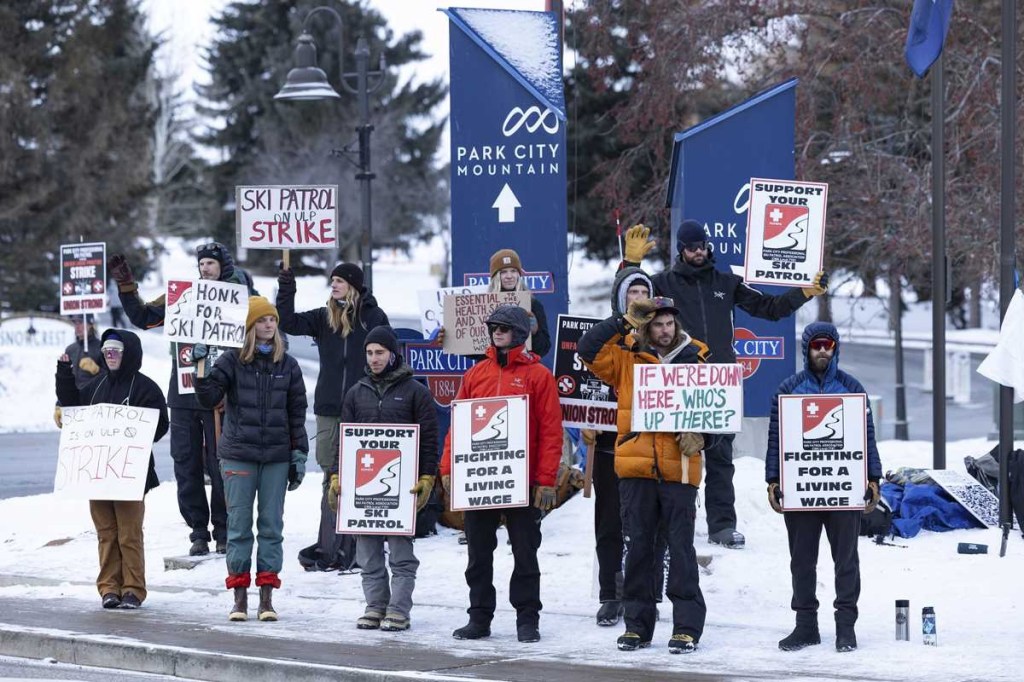
Ski season is supposed to be about carving fresh powder and après-ski toasts—not viral strikes and social media firestorms. But that’s exactly what happened at Park City Mountain, one of Utah’s premier resorts, after more than 200 ski patrollers walked off the job. The result? Holiday chaos, long lift lines, and a bigger conversation about the cost of skiing in America.
The Slippery Slope: What Happened at Park City?
Picture this: You’ve booked a ski trip during the peak holiday season, eager to hit the black diamond trails. Instead, you’re stuck navigating bunny slopes with hundreds of other frustrated skiers. That’s been the reality at Park City Mountain since its safety patrollers went on strike, demanding better pay from Vail Resorts—the $7 billion ski giant that owns the resort.
• The Union vs. Vail: The ski patrollers’ union aimed to close negotiations before the season kicked off, but Vail rejected their proposed pay bump, claiming its wage increases already outpace inflation.
• Après-Strike Chaos: Social media exploded with photos of long lift lines and ruined New Year’s vacations. Some posts blamed striking workers for the mess; others rallied behind the patrollers and criticized Vail for prioritizing profits over safety and service.
A Snowball Effect: Vail’s Private Equity Past
The strike didn’t just highlight issues at Park City—it reignited scrutiny of Vail Resorts’ growth strategy. Back in the ’90s, private equity firm Apollo Global owned Vail Resorts and helped it expand from four resorts in 1997 to a staggering 42 today.
Now, Vail and its main competitor, Alterra, control over half of the U.S. ski-resort market. Their revenue model leans heavily on pricey lift tickets (often hitting $300 on peak days) and multi-resort season passes like Vail’s Epic Pass and Alterra’s Ikon Pass, which cost over $1,000 annually.
• Patagonia Politics: Critics say the consolidation of ski resorts has turned what was once a family-friendly pastime into a luxury experience that excludes casual skiers. Social media users weren’t just complaining about lift lines—they were airing grievances about the broader cost of the sport.
The Takeaway: Strikes Can Be a Slippery Slope
Labor disputes often start small but can snowball into larger issues, as seen with Vail Resorts. What began as a pay dispute has grown into a viral discussion about the high cost of skiing, safety concerns, and whether mega-resorts are pricing people out of the sport.
This moment isn’t just about skiing. It’s a case study in how major operators, whether in real estate or hospitality, must balance growth, labor relations, and customer experience. In resort towns where ski slopes fuel local economies, strikes can impact everything—from property values to tourism.
Let’s connect—whether you want to talk ski trips, market trends, or investment strategies!
 Daniel Kaufman Real Estate
Leave a comment