
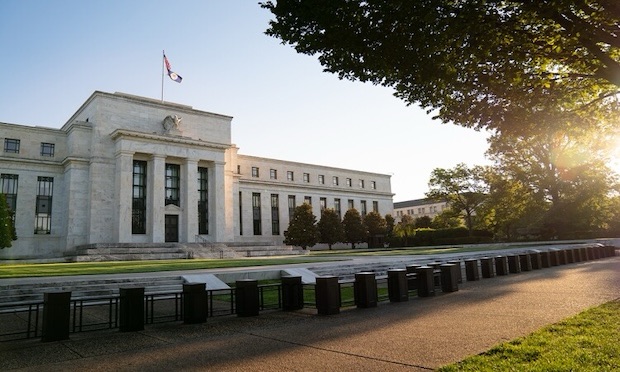
As we enter 2025, interest rate speculation is on everyone’s mind—especially for those of us in real estate development and investment. While current forecasts lean toward stability or minor cuts, it’s crucial to recognize that circumstances could change, and the Federal Reserve may be forced to raise rates again, even if it seems unlikely today.
Here’s my breakdown of where we stand and what it could mean for real estate.
The Fed’s Latest Moves: What We Know So Far
In mid-December 2024, the Federal Open Market Committee (FOMC) announced a 25-basis-point rate cut, bringing the federal funds rate down to 4.25%–4.50%. While this move was expected, it came alongside an unsettling revelation—the Fed’s economic projections showed upward inflation pressures.
• Inflation Expectations: Personal Consumption Expenditure (PCE) inflation for 2025 is now projected at 2.5%, up from 2.1% in September 2024.
• Longer Path to 2%: Inflation may not hit the Fed’s 2% target until 2027. Core PCE inflation, which excludes volatile items like food and energy, is expected to hover at 2.5% in 2025 before gradually declining.
This upward revision suggests that the Fed’s inflation battle is far from over, even if rate cuts provide temporary relief.
What This Means for Real Estate Investors
For those of us navigating the real estate market, this “higher-for-longer” interest rate environment signals a fundamental shift:
• Financing Challenges: While rates have come down slightly, refinancing or acquiring debt for new projects is still expensive. Securing favorable terms requires creativity, solid partnerships, and adaptive strategies.
• Valuations: Property valuations, especially in commercial and multifamily sectors, are sensitive to rate movements. Rising cap rates could lead to more distressed opportunities, but they also dampen liquidity for some asset classes.
• Yield Expectations: If the 10-year Treasury yield continues to climb due to inflation fears, mortgage rates may rise regardless of the Fed’s rate cuts, further complicating acquisitions and residential development.
Economic Strength vs. Inflation Risks
The real wild card is economic growth. The U.S. economy showed resilience in 2024, with 3% annualized GDP growth in Q2 and 3.1% in Q3. These numbers suggest that the economy isn’t in decline—but could it be overheated?
Morningstar analysts have questioned whether the so-called neutral rate—the interest rate that neither stimulates nor slows the economy—has risen. If true, this implies that a higher federal funds rate might be necessary to maintain balance.
The Trump Effect: Tax Cuts and Tariff Hikes
President-elect Donald Trump’s proposed economic policies, including tax cuts and tariffs, add another layer of uncertainty. While these plans could spur short-term economic growth, they also risk being inflationary. If consumer spending rises and supply chains become strained by tariffs, the Fed could be forced to act preemptively to curb inflation.
Labor Market Strength: The Fed’s Balancing Act
The Fed has a dual mandate: maintain price stability and support full employment. The labor market remains strong, and unemployment rates remain low, but any rise in unemployment would complicate the Fed’s ability to manage inflation.
As strategist Don Rissmiller noted, once unemployment starts rising, it typically continues—a scenario the Fed wants to avoid at all costs. Job losses in key markets could stall demand for residential, office, and retail developments.
My Take: Real Estate Strategies in Uncertain Times
Personally, I believe that flexibility will be the key to success in 2025. While we’re likely to see more creative financing deals and value-add opportunities in industrial and multifamily spaces, the need for caution remains. Diversifying investments and maintaining liquidity will be critical for navigating higher borrowing costs.
For real estate investors and developers, the message is clear: watch the data, stay nimble, and be ready to pivot. Inflation, geopolitical shifts, and economic policy changes will continue to drive market dynamics—but in uncertainty lies opportunity.
About Me

I’m Daniel Kaufman, a real estate developer and investor with a passion for building communities that create lasting value. I specialize in build-to-rent developments, commercial projects, and sustainable land-use planning. My goal is to help clients and partners make data-driven decisions that align with their long-term objectives in a changing market.
If you’d like to discuss market trends or potential partnerships, feel free to connect with me.
🌐 Website: danielkaufman.info
📧 Email: daniel@kaufmanredev.com
📍 Location: Los Angeles, California
Let’s navigate 2025 together—armed with insights and a clear strategy for growth!
 Daniel Kaufman Real Estate
Leave a comment