
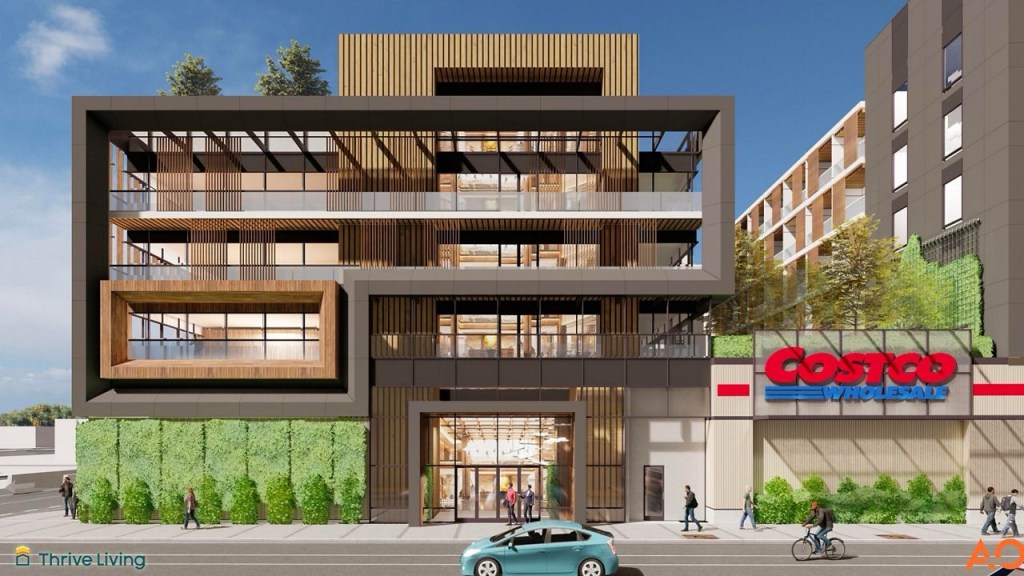
The U.S. housing crisis has long demanded innovative solutions, and Thrive Living is stepping up with a bold new model. By blending affordable housing with retail, their upcoming Los Angeles development in Baldwin Village offers a potential blueprint for addressing housing shortages in urban markets. This $425 million project will house 800 residential units—184 of which will be designated as affordable—and feature a Costco store on the ground floor.
This hybrid design not only reimagines urban living but could serve as a scalable solution for real estate developers and investors looking for new ways to deliver affordable housing without overreliance on government subsidies.
A Game-Changing Approach to Affordable Housing
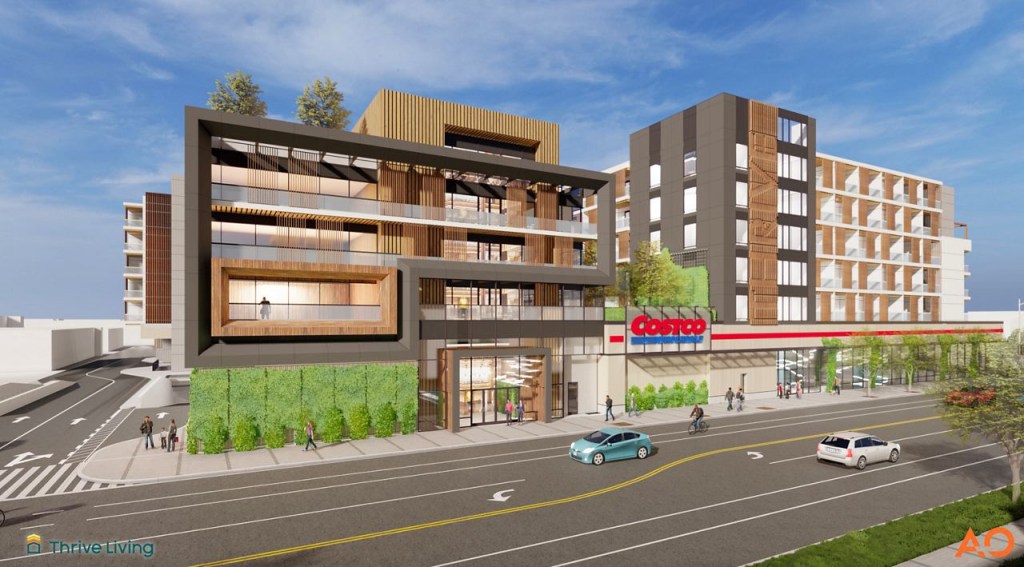
Thrive Living, is making waves with this first-of-its-kind concept. By incorporating Costco as an anchor tenant, the development creates a sustainable revenue stream that reduces the need for public subsidies like Low-Income Housing Tax Credits (LIHTC), which often cause delays.
Instead, the project is leveraging California’s Assembly Bill 2011 to streamline approvals. This legislation allows for expedited permitting for mixed-use developments that meet specific affordability and labor standards, making it an attractive framework for future projects.
Why Baldwin Village?
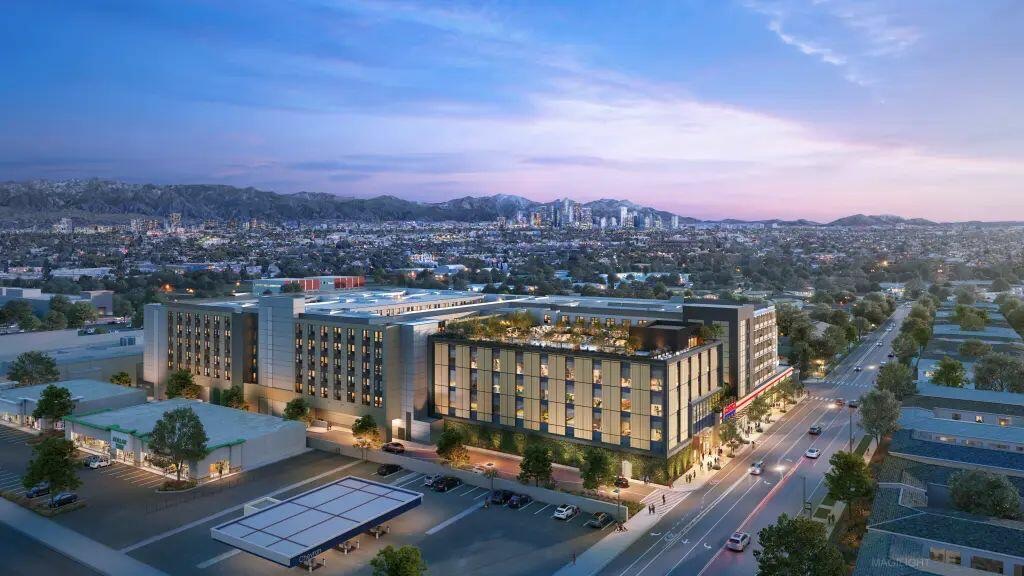
Baldwin Village, located in South LA, is an area ripe for investment yet burdened by poverty and a lack of housing options. Thrive’s decision to build here taps into a market that desperately needs affordable options, while its proximity to Baldwin Hills, also known as the “Black Beverly Hills,” offers additional growth potential.
For Costco, the location means access to a dense urban customer base, while local residents benefit from convenient access to retail alongside modern housing options.
Innovative Construction: The Modular Advantage
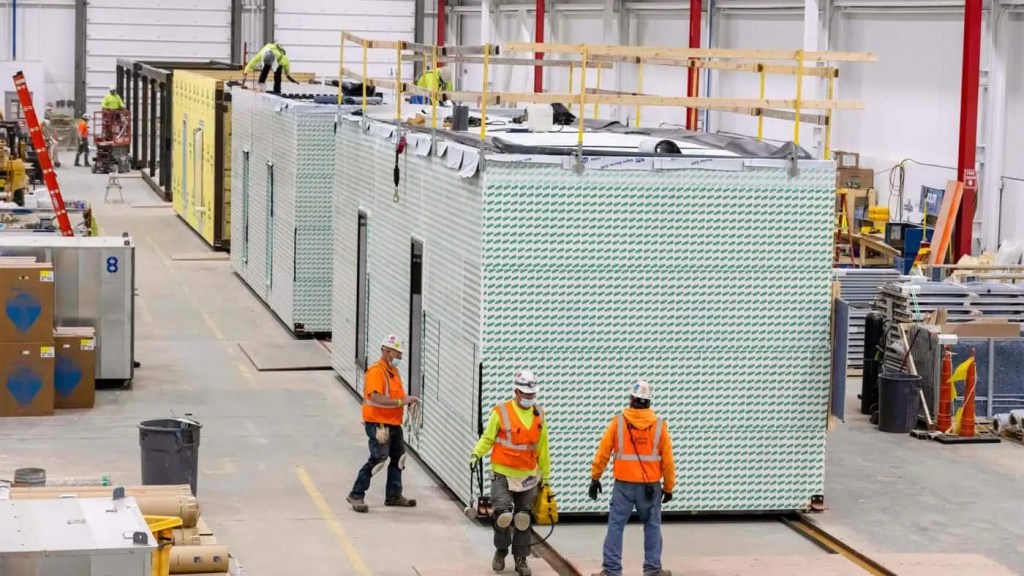
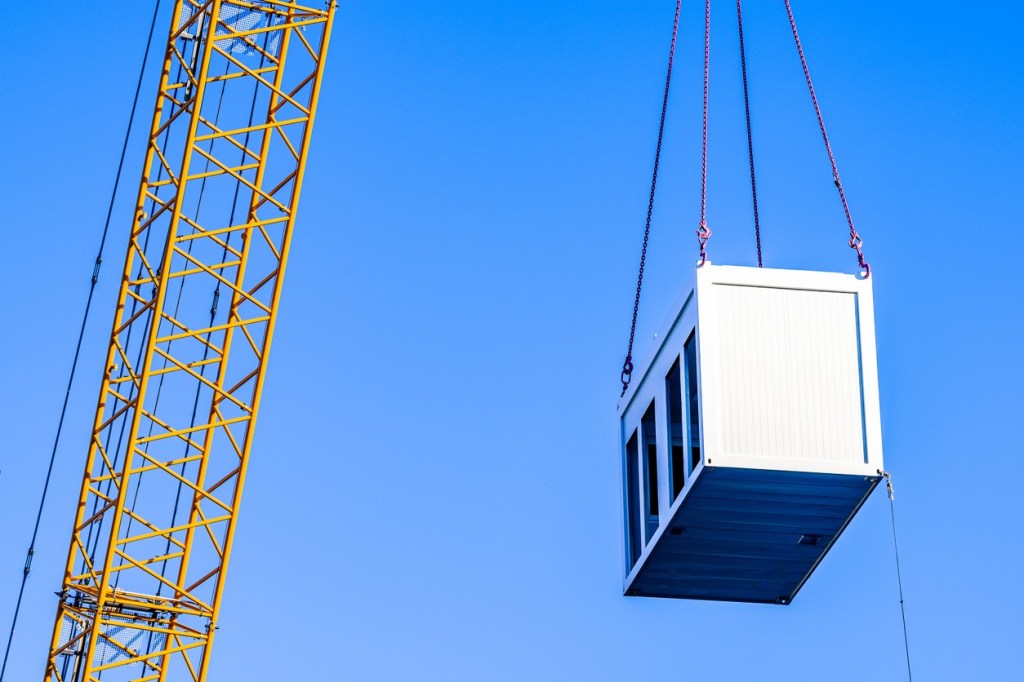
Thrive’s approach to construction further exemplifies its forward-thinking strategy. By employing off-site modular construction, the company expects to accelerate the timeline and control costs. Modular components are built off-site, transported, and assembled on location—a method that reduces delays related to labor shortages and weather.
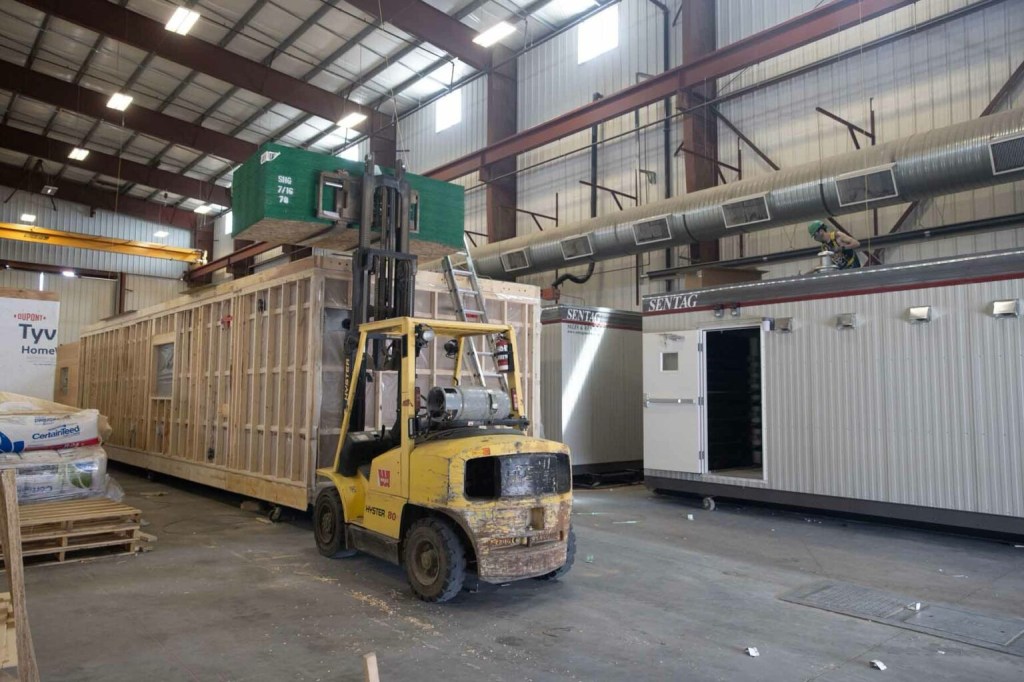
This model of prefabricated construction aligns with industry trends toward faster, more efficient builds, which are increasingly necessary in high-demand markets like Los Angeles.
The Economic and Social Impact
The inclusion of a Costco within the development does more than generate retail rent—it creates jobs and boosts local commerce. It’s a potential win-win scenario where residents gain employment opportunities while enjoying affordable, well-designed housing options.
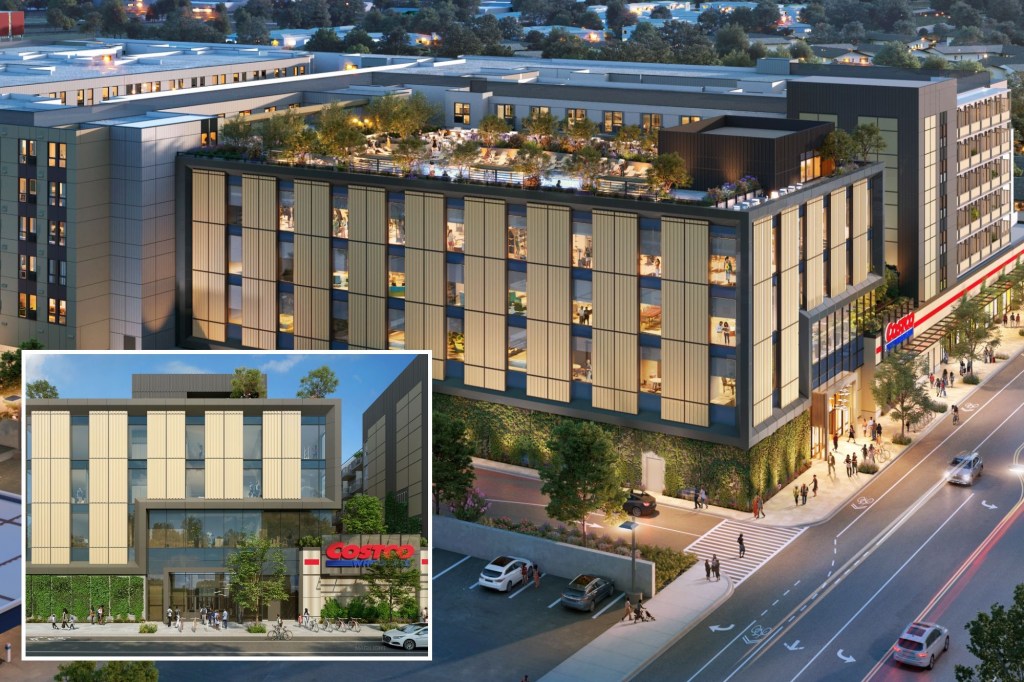
Real estate investors should take note of the broader implications: this development could pave the way for public-private partnerships (P3s) that deliver both profitability and community impact. The combination of market-rate and affordable units also ensures financial sustainability while addressing an urgent societal need.
Challenges and Considerations
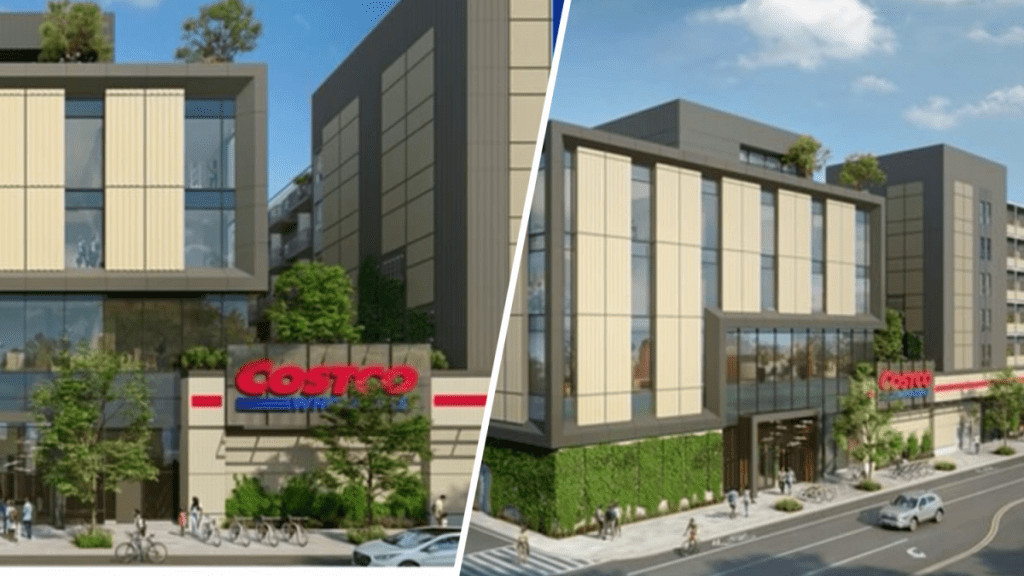
Of course, the success of this model isn’t guaranteed. Regulatory hurdles, local opposition, and rising construction costs are all variables that could impact the project’s feasibility and timeline. Additionally, the precision required for modular builds and the complexity of integrating retail and residential spaces could present unforeseen challenges.
However, Thrive Living’s ability to bypass some traditional funding mechanisms may help reduce delays and offer a competitive edge, making it a compelling case study for developers across the country.
A Model for Future Developments
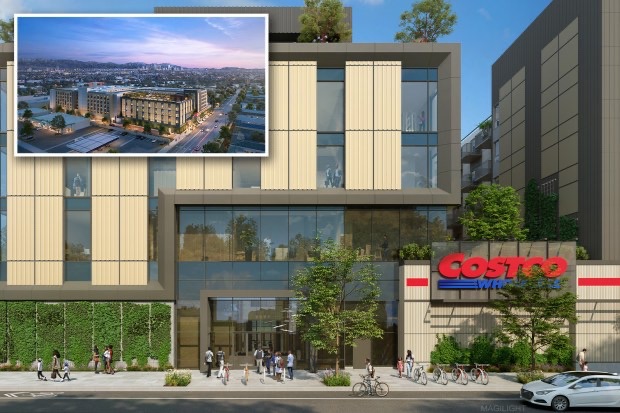
The U.S. currently faces an affordable housing shortage of 3.7 million units. Projects like Thrive Living’s Baldwin Village development could reshape how affordable housing is financed and constructed. By utilizing private-sector partnerships, mixed-use designs, and modular construction, developers can achieve more while relying less on public funding.
If successful, this approach could inspire similar developments nationwide, particularly in urban areas where land costs and regulatory complexities have stymied traditional affordable housing projects.
Connect with Daniel Kaufman
For real estate developers and investors looking to explore innovative housing models, Daniel Kaufman is your trusted partner. With years of experience navigating complex real estate markets and a passion for solutions that balance profitability and community impact, Daniel offers valuable insights tailored to your goals.
To learn more or discuss potential projects, visit www.DanielKaufman.info or contact Daniel directly at daniel@kaufmanredev.com
Let’s build something extraordinary—together.
 Daniel Kaufman Real Estate
Leave a comment