
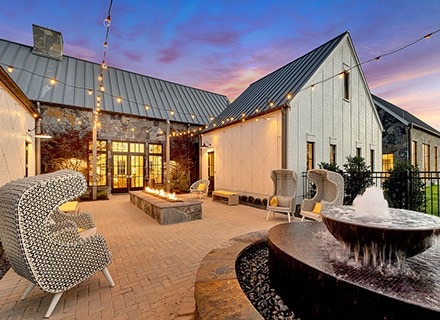
The U.S. real estate landscape is witnessing a new player making quiet but powerful moves. Sekisui House, one of Japan’s premier homebuilders, has become the fifth-largest homebuilder in America after acquiring MDC Holdings—better known as Richmond American Homes—for $5 billion in early 2024. But what does this mean for real estate professionals and families alike? Let’s break down the key trends and opportunities.
A Global Force in U.S. Homebuilding
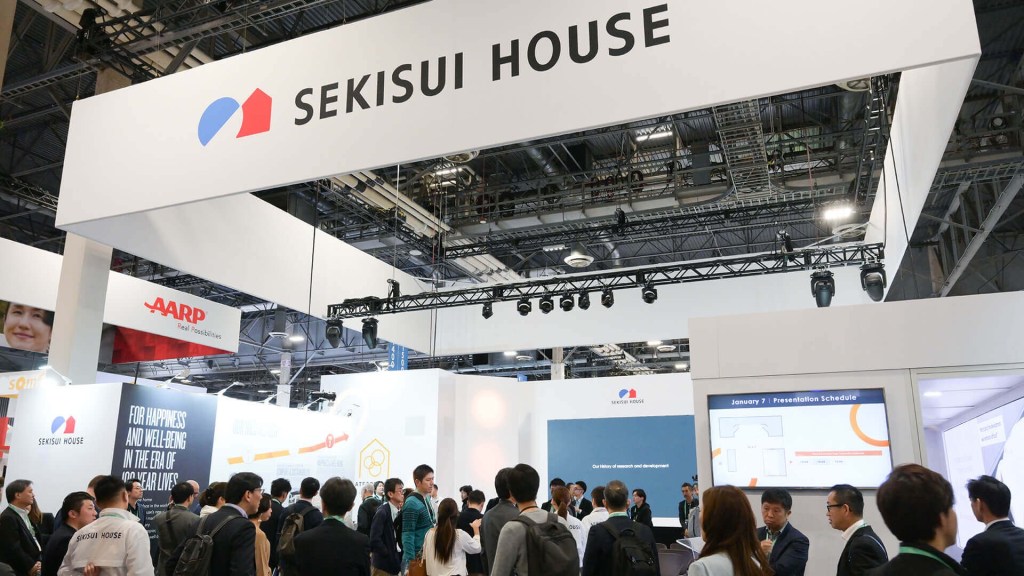
Sekisui House’s U.S. subsidiaries—Woodside Homes, Holt Homes, Chesmar Homes, and Hubble Homes—are set to deliver 15,000 new homes annually across 16 states. This massive footprint places Sekisui House among giants like Lennar and D.R. Horton. However, the company isn’t just here to compete in volume; it’s here to innovate.
For real estate agents, this expansion means more opportunities to diversify inventory with homes that may offer unique design elements and energy efficiency. Families seeking high-quality homes will likely benefit from these new options as the company integrates Japanese craftsmanship and technology into U.S. markets.
Innovating in a Labor-Challenged Market
The U.S. housing market has long been plagued by a labor shortage, which has contributed to a housing shortfall of 1.5 million units. Sekisui House is addressing this head-on by introducing a robust training program for American construction workers. A team of 20 experts from Japan will train U.S. contractors to adopt a multidisciplinary skillset, allowing workers to be more efficient and productive—an approach that has been highly successful in Japan.
For real estate professionals, this could mean shorter project timelines and more consistent delivery of new homes. However, there are hurdles, including regulatory constraints and the U.S. union landscape, which may limit how quickly this approach can be scaled.
Energy-Efficient Design: Will It Resonate with U.S. Buyers?
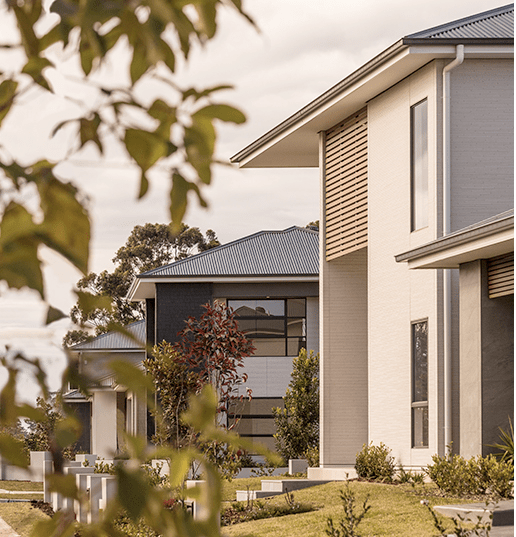
Sekisui House’s “Shawood” homes are a prime example of its commitment to innovation. These homes use precision framing and advanced insulation to optimize energy efficiency and climate control. They’re designed to adapt to the local environment, minimizing heating and cooling costs—a feature that could appeal to environmentally conscious buyers and those looking to save on utility bills.
However, Shawood homes require exacting construction techniques that could pose challenges for U.S. builders unfamiliar with such precision. Real estate professionals should watch closely to see if these energy-efficient designs gain traction, as they could become a sought-after niche in the market.
Financial Muscle: A Game-Changer for Buyers
One potential advantage Sekisui House brings is its financial strength. With greater access to capital, the company may offer competitive incentives such as mortgage rate buy-downs or below-market financing. This could be a major selling point for buyers navigating high mortgage rates.
Agents working with buyers should stay informed about any financing options Sekisui House offers. These incentives could be the deciding factor for clients looking to make their next move despite higher borrowing costs.
The Bigger Picture: Addressing the Housing Supply Gap

The housing shortage in the U.S. is one of the defining challenges of our time. Sekisui House’s entry into the market represents a substantial investment in meeting this need. The company’s overseas revenue surged by 156% in 2024, and its focus on U.S. expansion signals a long-term commitment to growth.
For real estate professionals, this is a reminder of the importance of staying ahead of global trends and understanding how international players can reshape local markets. Sekisui House’s success in the U.S. could pave the way for more international builders to follow suit, potentially transforming how homes are built, sold, and marketed.
Key Takeaways for Real Estate Professionals:
1. Increased Inventory: Expect more listings from Sekisui House subsidiaries in key markets across 16 states.
2. Energy-Efficient Homes: Be prepared to market the benefits of Shawood homes, particularly to buyers prioritizing sustainability and lower utility costs.
3. New Financing Options: Stay up-to-date on any preferred financing programs that could give your clients an edge.
4. Labor Innovations: Faster build times and potentially fewer construction delays could mean more reliable timelines for new developments.
As we head into a new era of homebuilding, Sekisui House’s expansion presents both challenges and opportunities. For real estate professionals, the ability to adapt and capitalize on these trends will be key to thriving in an evolving market.

In the words of Sekisui House’s CEO, Yoshihiro Nakai: “We believe that we can become a one-of-a-kind entity in the U.S. by combining Japanese and U.S. technologies and, above all, sharing our passion for providing quality housing.” The question is: Are we ready to embrace the future of homebuilding?

Let’s get ahead of it—together.
About Daniel Kaufman
Daniel Kaufman is a trusted real estate expert dedicated to helping clients and industry professionals navigate the ever-changing real estate landscape. With a commitment to staying informed on market trends and providing personalized guidance, Daniel has become a go-to resource for buyers, sellers, and fellow developers. His insights on domestic and global shifts in the housing market empower his network to make informed decisions with confidence.
For more information, insights, or to connect with Daniel Kaufman, visit www.danielkaufman.info or reach out directly at daniel@kaufmanredev.com
 Daniel Kaufman Real Estate
Leave a comment