
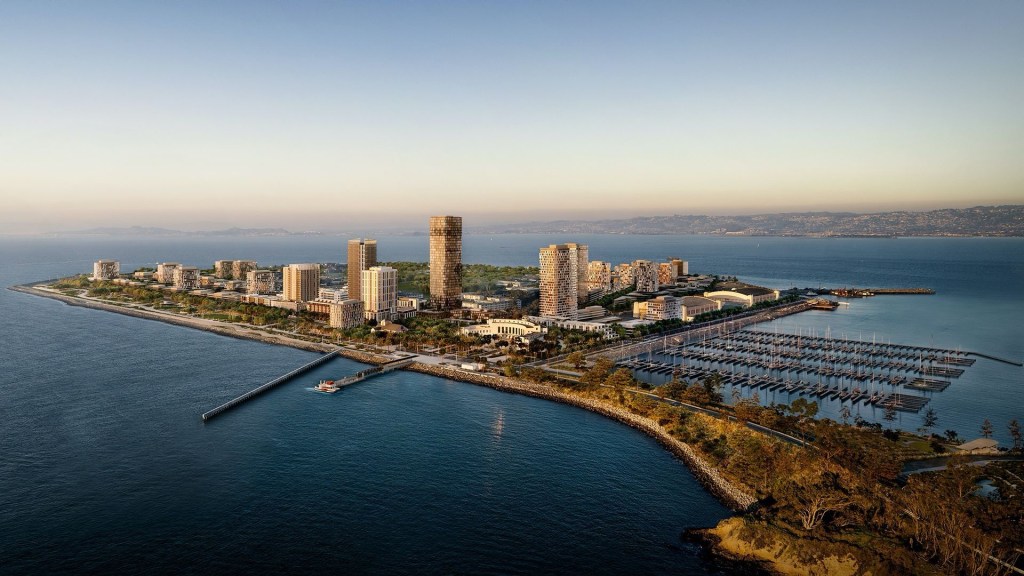
San Francisco is a city of contrasts—iconic skylines and staggering housing costs, innovation hubs and the struggle for affordability. Amid this backdrop, an ambitious project is taking shape on an artificial island in the Bay, offering a glimpse into what the future of urban housing could look like.
Treasure Island, originally built 90 years ago as the site of the World’s Fair, is emerging as a model for mixed-income residential development. With its unique history and innovative design, this public-private project may hold answers to one of America’s most pressing challenges: how to create housing that works for everyone.
An Island Reinvented
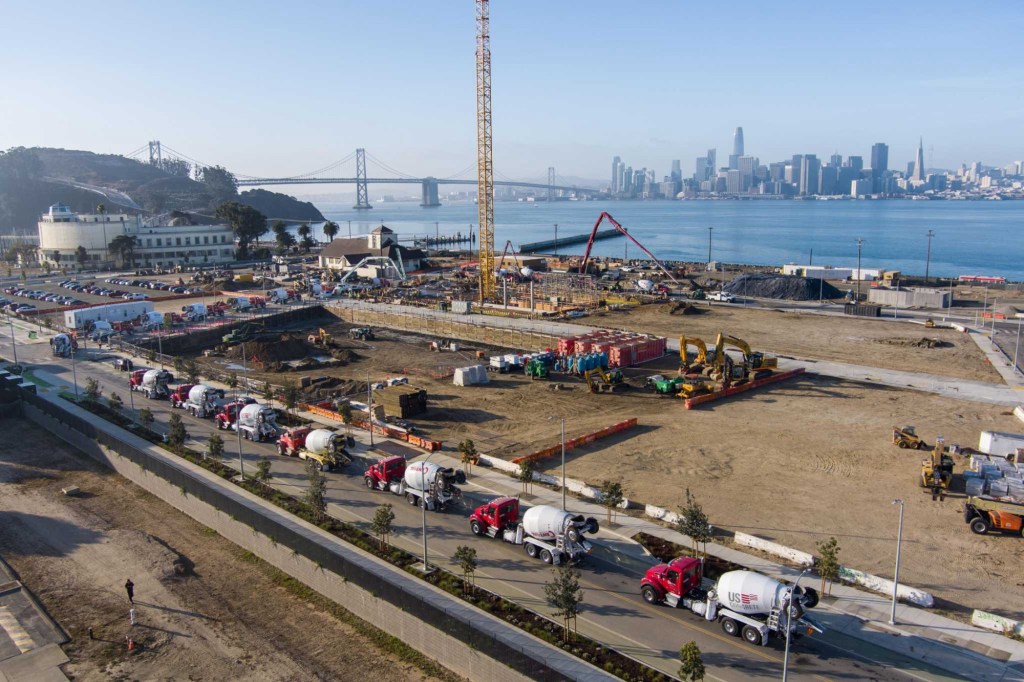
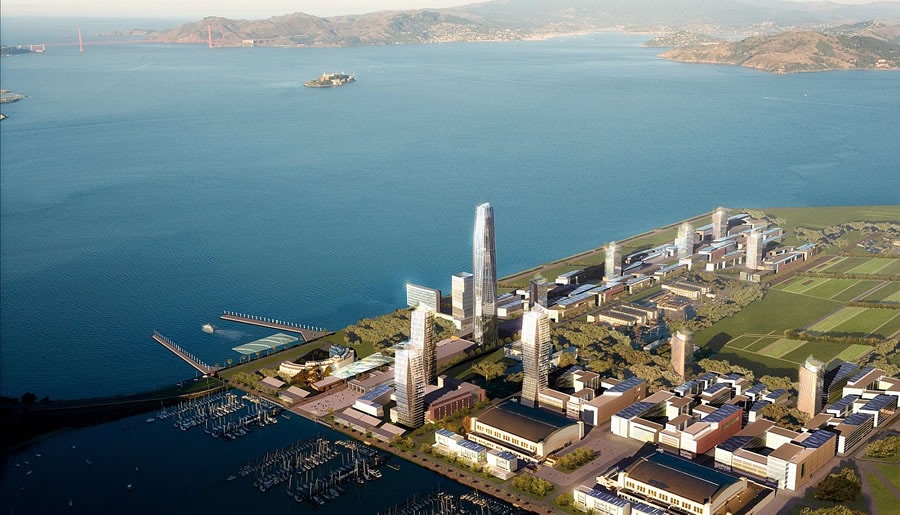
What was once a naval base and a patch of sand dumped in the Bay is now a buzzing construction site, transforming into San Francisco’s newest neighborhood. Over 1,200 new homes have already been completed or are nearing completion, with plans for 8,000 residences, 300 acres of parks, and a mix of retail and office spaces.
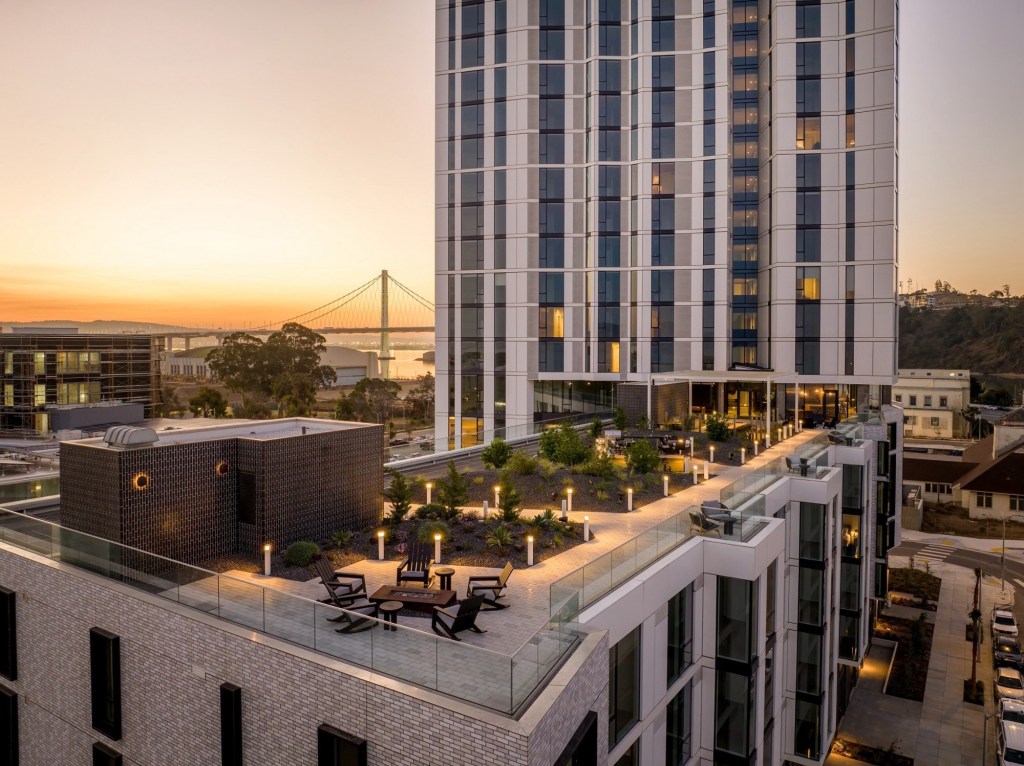
This development, known as the Treasure Island Community Development Project, features housing options for every budget—from luxury high-rises with panoramic views of the Golden Gate Bridge to affordable apartments for formerly homeless veterans. The project blends sustainability with urban density, creating a walkable community that prioritizes access to public transit, open spaces, and essential services.
A Model for Mixed-Income Living
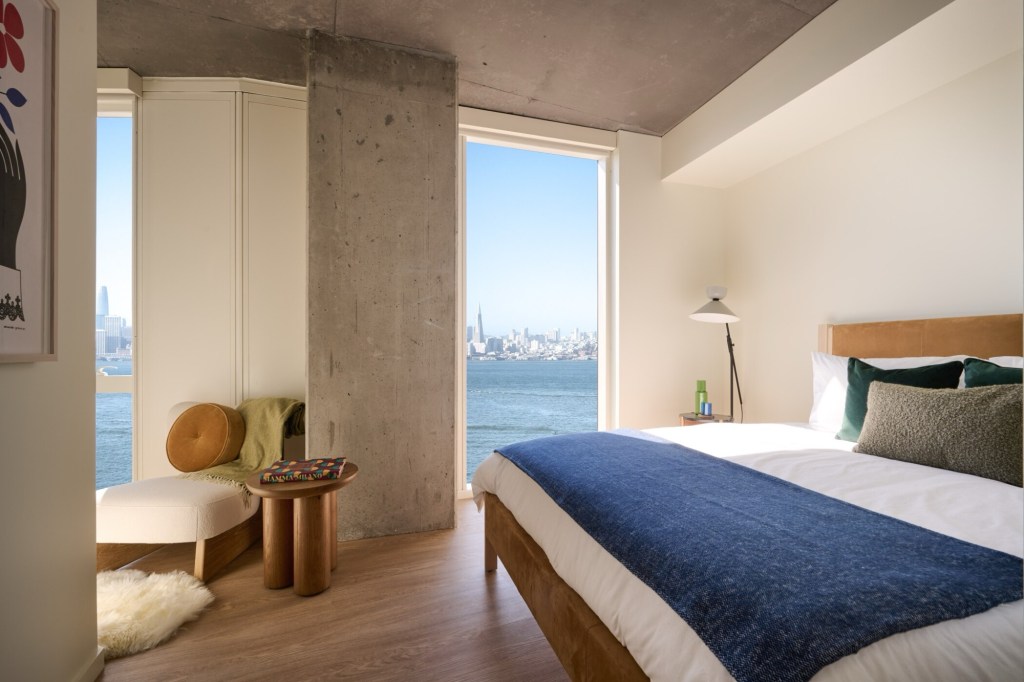
What sets Treasure Island apart is its commitment to inclusivity. More than a quarter of the housing—2,000 units—is designated as affordable, a rare feat in a city where rents average over $3,000 per month. This diverse housing mix reflects a broader goal: creating communities where people from all walks of life can live side by side.
Chris Meany, co-CEO of Treasure Island Community Development, explains: “We have housing for the formerly homeless, and we also have homes that are some of the most expensive in the Bay Area—and those people are going to live as neighbors. That is a model we should embrace.”
Challenges and Creativity

Treasure Island’s redevelopment hasn’t been without challenges. Delays from lawsuits, engineering hurdles to guard against sea-level rise, and San Francisco’s notorious permitting process have tested the patience of developers and public officials alike.
Yet, the project stands as a testament to what can happen when creativity meets necessity. Urban planners and housing advocates are already looking to Treasure Island as a playbook for sustainable, mixed-income housing that other cities could adapt.
A Vision Coming to Life
The transformation is not just about housing—it’s about building a vibrant, self-sufficient community. New parks, bike lanes, a ferry service, and even a professional soccer training facility are part of the island’s evolving identity. Restaurants, a brewery, and a museum add to the appeal, turning what was once a barren stretch of land into a destination.
As San Francisco grapples with its housing crisis and the lingering effects of the pandemic, Treasure Island offers a glimmer of hope. It’s proof that with bold vision and collaboration, cities can find innovative solutions to create housing for diverse populations while fostering economic growth.
Want to know more about the future of housing and urban development?
Feel free to reach out to me directly: daniel@kaufmanredev.com
Let’s discuss: Could this model work in your city? Drop your thoughts in the comments!
 Daniel Kaufman Real Estate
Leave a comment