
As the real estate and construction industries gear up for 2025, a potential policy shift could send ripples through the market: President-elect Donald Trump’s proposed tariffs. These sweeping measures, aimed at goods from countries like China, could drive up costs for key construction materials, disrupt project timelines, and strain budgets. For commercial builders, developers, and investors, this is a story that demands close attention.
Tariffs and Their Potential Impact on Construction Materials
Industry experts warn that Trump’s tariff plans could significantly increase prices for metals, coatings, and mechanical, electrical, and plumbing (MEP) components—products often imported from China. Chris Fisher, Managing Principal at consulting group Ducker Carlisle, highlighted the challenges this could pose:
“What will create challenges for commercial construction is if we see a significant amount of tariffs that are announced, followed through, and then actually enforced.”
Key materials at risk include:
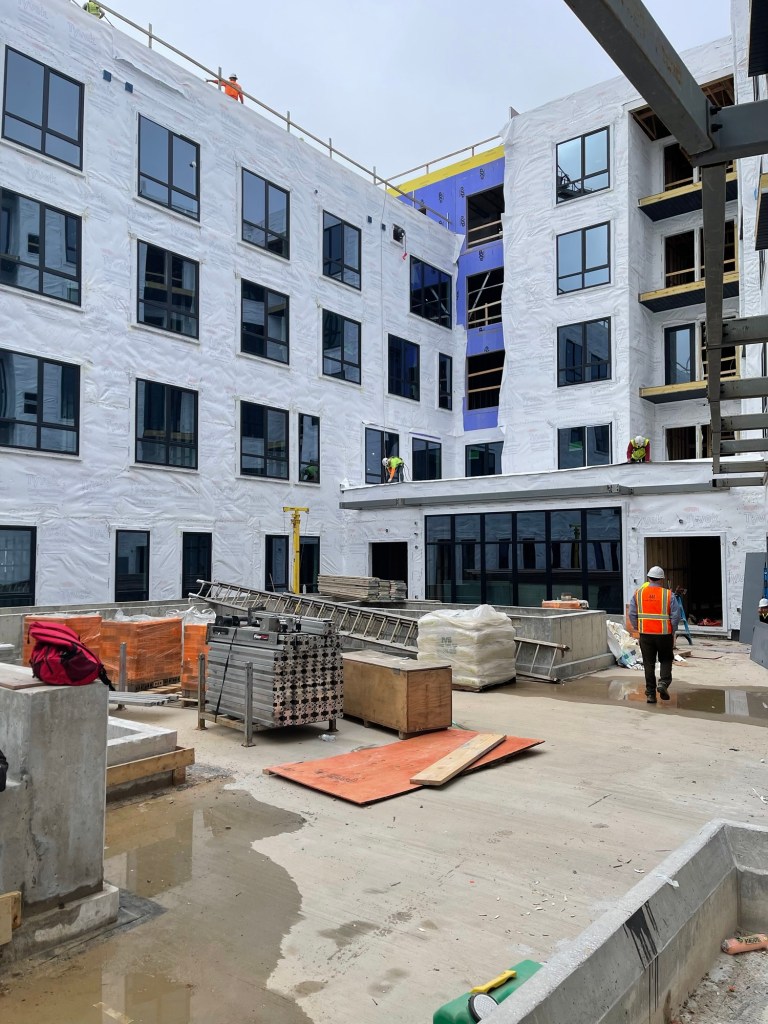
• Red iron steel: A type of structural steel often sourced from China, potentially subject to steep price hikes.
• Electrical components: Items like transformers, circuit breakers, and switchgear, already experiencing supply chain bottlenecks, could become even more expensive.
• Plumbing and HVAC parts: These commodity items are commonly imported, making them vulnerable to tariffs.
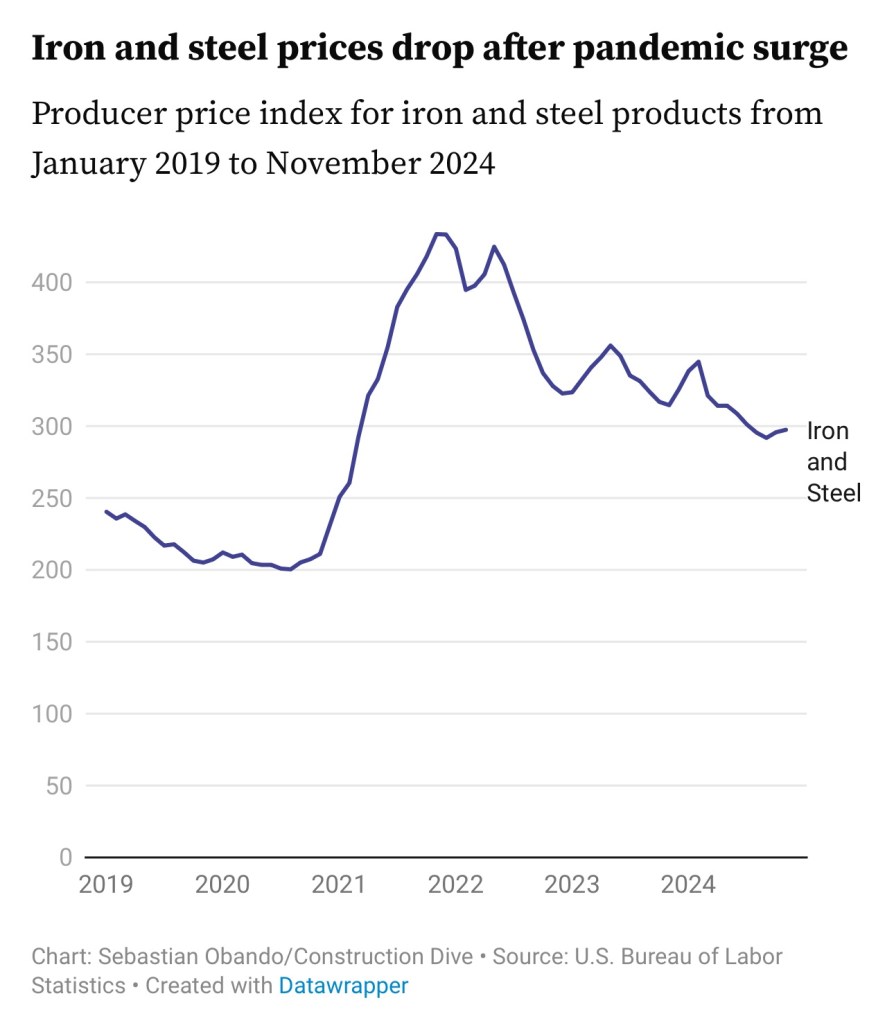
Bryan Ehrlich, President of NCE General Contractors, noted that such increases could reverse recent trends of declining steel prices, adding strain to already tight project budgets.
A Double-Edged Sword for Domestic Materials
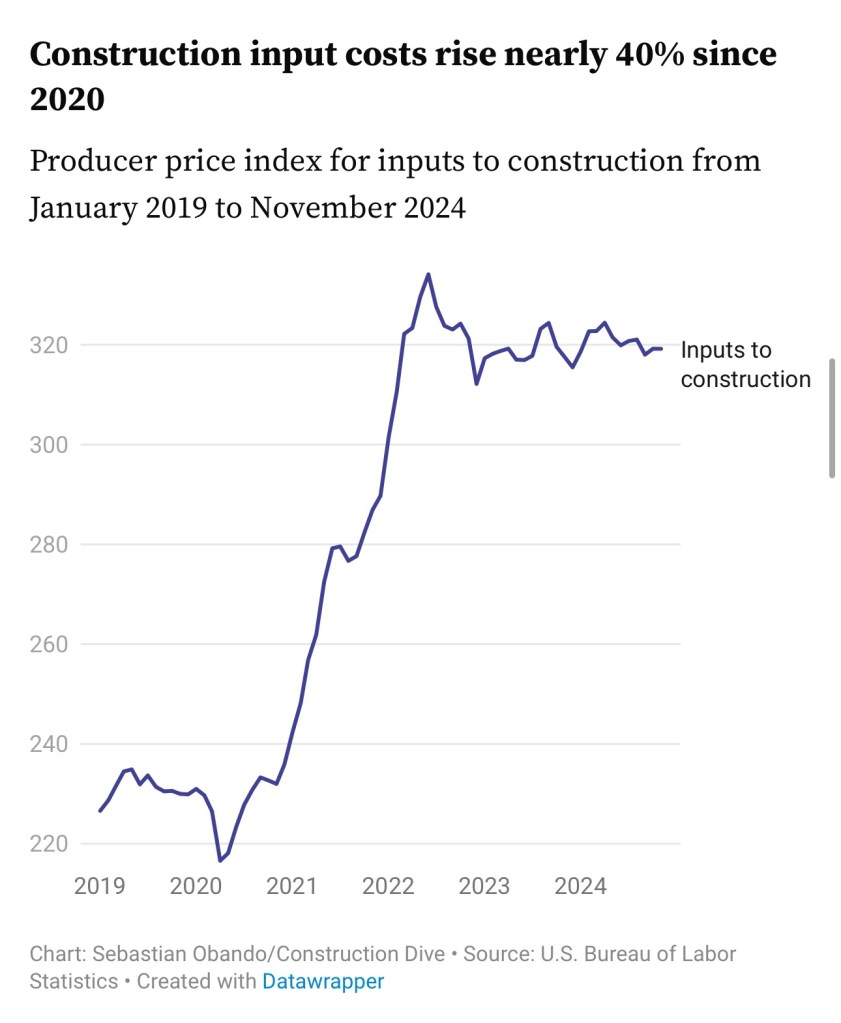
Even materials sourced domestically, such as cement and aggregates, might not escape unscathed. Ken Simonson, Chief Economist at the Associated General Contractors of America, pointed out that reduced competition from imports could drive prices higher:
“New or increased tariffs have the potential to raise prices for a wide range of construction inputs, including items produced domestically that compete with imports.”
The industry has seen this dynamic before. During the COVID-19 pandemic, supply chain disruptions and inflation caused price spikes, some of which have lingered long after the original pressures subsided.
Sector-Specific Challenges: Data Centers and Manufacturing
The tariffs could hit some sectors harder than others. Data center and manufacturing construction, two of the industry’s most active segments, already face delays due to shortages of electrical components. Tariffs would exacerbate these bottlenecks, potentially derailing project schedules in these critical markets.
Tariffs as a Negotiating Tactic?
Some experts believe the proposed tariffs might be more bark than bite. Anirban Basu, Chief Economist at Associated Builders and Contractors, suggests that Trump may be using the announcement as leverage for future negotiations:
“A lot of these announced tariffs are simply posturing by the president. My best guess is that we will see a modest increase in certain targeted tariffs, but nothing massive.”
While the final scope and enforcement of these tariffs remain uncertain, the industry is bracing for the possibility of major disruptions.
How Should Builders and Investors Prepare?
With the potential for price hikes and supply chain challenges looming, industry professionals must take proactive steps to mitigate risks:
• Review contracts: Ensure contracts include escalation clauses to account for potential material cost increases.
• Diversify supply chains: Explore alternative sources for critical materials to reduce dependence on imports.
• Stay informed: Monitor developments in tariff policy and their enforcement to anticipate impacts on upcoming projects.
As we wait to see how these policies unfold, one thing is clear: builders, developers, and investors must remain vigilant. Whether the tariffs materialize or serve as a strategic bargaining chip, their potential to disrupt construction projects cannot be ignored.
Join the Conversation
What do you think about the proposed tariffs and their potential impact on the construction industry? Are you seeing signs of material cost increases or project delays? Share your thoughts in the comments below, and let’s discuss how we can navigate these challenges together. Don’t forget to subscribe to stay updated on the latest trends and insights in real estate and construction!
 Daniel Kaufman Real Estate
Leave a comment