
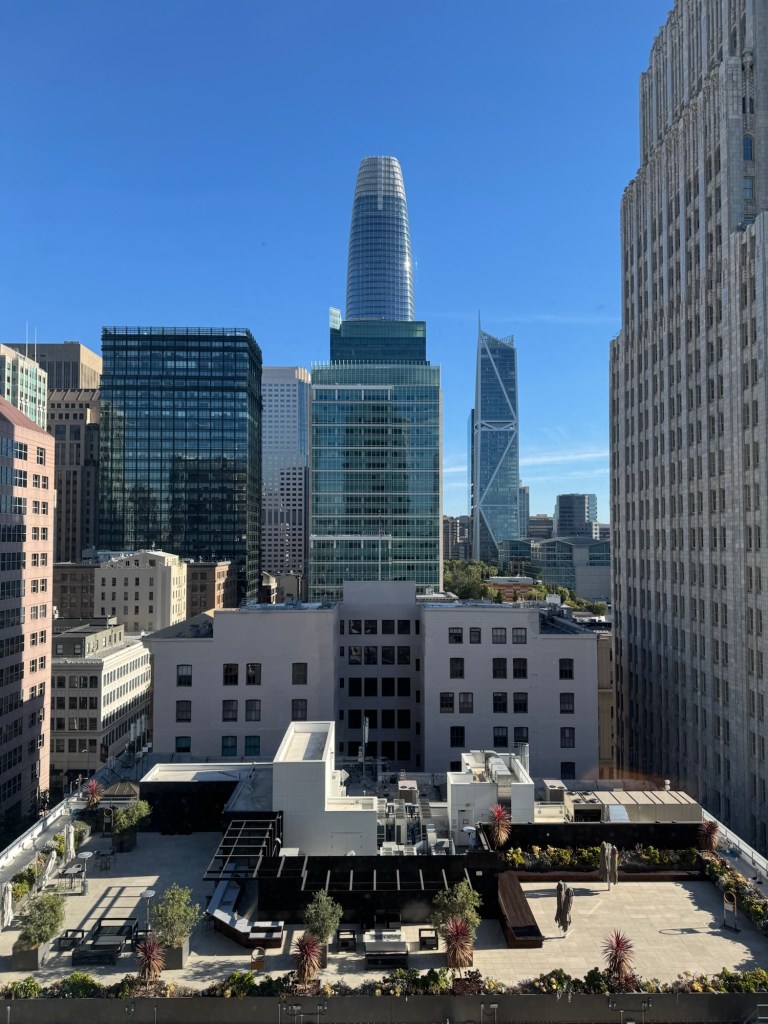
San Francisco’s once-thriving office market is still grappling with the aftershocks of the pandemic, showing a stubbornly high vacancy rate of 36.9% as of Q3 2024. But there are glimmers of hope on the horizon, driven by a surge in leasing activity from AI startups and tech firms. Could these signs of life point to a turnaround in 2025?
A Market in Flux
The numbers don’t lie—San Francisco’s Downtown office market is struggling. Rising interest rates, challenges in the tech and construction sectors, and a tarnished reputation for public safety have slowed the city’s economic recovery.
Chief Economist Ted Egan attributes this sluggishness to the very industries that once fueled San Francisco’s boom. Tech and construction are both vital to the city’s economy, and their continued struggles have contributed to declining key economic indicators.
Yet, even in the face of these challenges, tech companies are signaling renewed interest in the city’s office spaces.
The Tech Sector: A Glimmer of Hope
Tech leasing activity in San Francisco is the highest it’s been in five years, thanks largely to AI startups. Since 2019, these companies have absorbed 3.9 million square feet of office space, positioning San Francisco and Silicon Valley as prime markets for AI-driven growth.
In recent months, companies touring available office spaces sought a total of 2.7 million square feet. This growing demand not only signals a shift in market sentiment but could also entice larger institutional investors back into the Downtown core—an area that has been dominated by local investors in recent years.
Policy Shifts and the Push for Recovery
San Francisco’s challenges go beyond economics. The city’s Downtown has faced a reputational hit due to rising crime and retail theft, deterring both tenants and investors. However, recent policy changes, including the passage of Proposition 36, which reclassifies certain crimes as felonies, aim to restore public safety and improve the business environment.
The election of Mayor Daniel Lurie brings further optimism, with promises to prioritize public safety and revitalize the city’s commercial heart. Companies like Finix, mandating in-office work four days a week, and return-to-office policies from giants like Amazon and Salesforce, are also driving renewed demand for collaborative office spaces.
What’s Next?
While hurdles remain, the combination of increased tech leasing, policy reforms, and a renewed focus on public safety offers hope for San Francisco’s office market. If these trends hold, 2025 could mark the beginning of a long-awaited recovery for Downtown’s commercial real estate sector.
Let’s Discuss
Are you seeing similar trends in other markets? What role do public safety and tech innovation play in driving office demand? Share your thoughts below—let’s start the conversation.
 Daniel Kaufman Real Estate
Leave a comment