

With a combined 103 million square feet of empty office space, Dallas and Houston are grappling with a significant economic challenge. These high vacancy rates are costing the cities an estimated $3.18 billion in potential rental income each year, raising concerns among real estate developers and investors.
By The Numbers
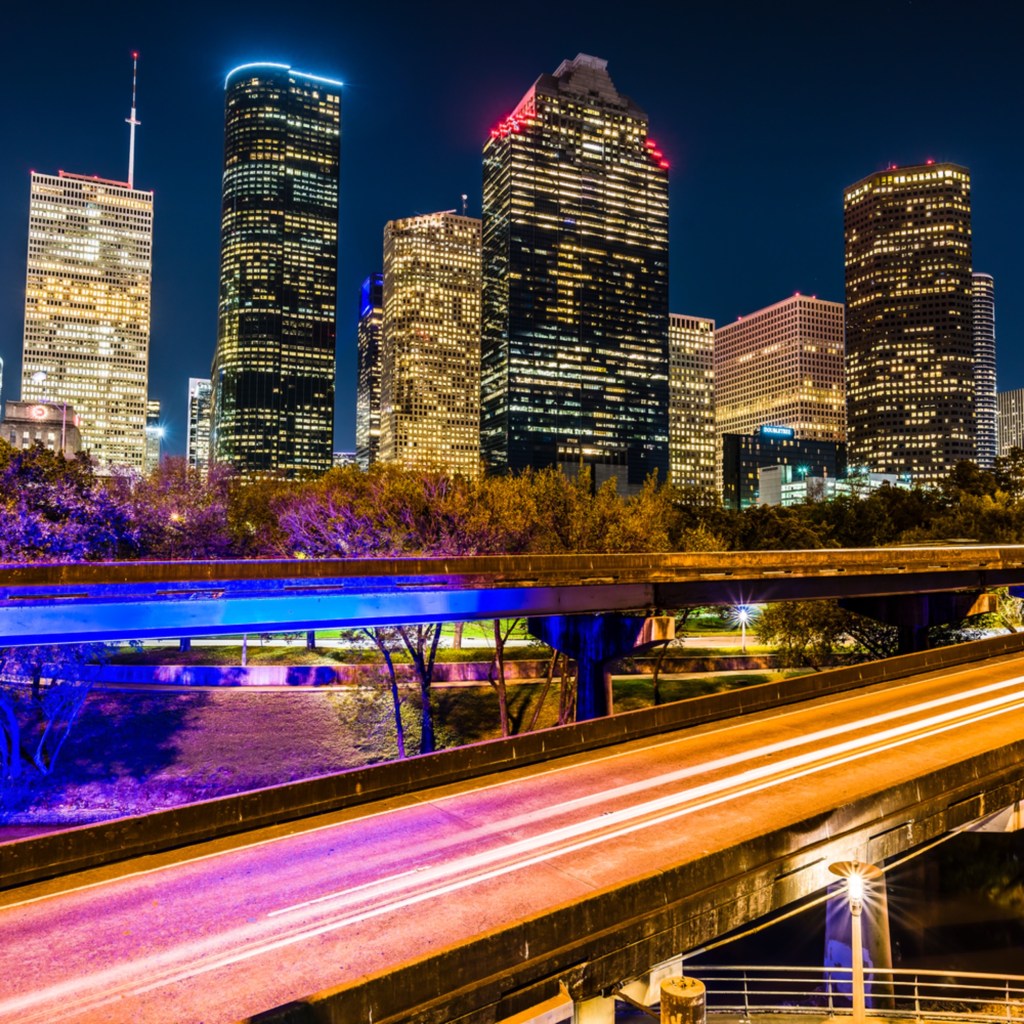
Dallas currently has 53 million square feet of empty office space, ranking third in the U.S. behind New York and Chicago. Houston follows closely with 50 million square feet, ranking fifth nationwide. This surplus of vacant office space translates to an annual loss of $1.62 billion in Dallas and $1.56 billion in Houston, according to a report by Bisnow citing Cushman & Wakefield data.
Economic Ripple Effect
The high office vacancy rates in Dallas and Houston extend beyond the real estate sector, impacting the broader economy. Property owners are struggling with reduced income, which affects their ability to cover mortgage payments, maintenance, and other operational costs. James Barnes of NeoMam Studios warns that these financial pressures could eventually strain the tax bases and economies of both cities.
“As vacancies persist, it’s going to eat into the tax base,” said Jay Wall III of Moody Rambin in Houston. This could force local governments to make difficult decisions about taxes and public services, potentially triggering a cycle of fiscal challenges.
Root of the Problem
The high office vacancy rates in Texas can be traced back to a historic construction boom fueled by affordable land and a growing population. However, the shift to hybrid and remote work has drastically reduced demand, particularly for older buildings that are now less appealing to tenants. Scott Morse, managing partner at Citadel Partners, noted that much of the vacancy is concentrated in properties built before 2010, indicating a mismatch between current market demand and the existing supply of office space.
Call for Redevelopment
The situation in Houston mirrors that of Dallas. Both cities face a glut of outdated office inventory that may not find tenants without significant redevelopment. As analysts predict, the problem will persist until older, less functional buildings are either upgraded or demolished. “The kitschy response to that is that Houston is not overbuilt; it’s under-demolished,” said Wall, highlighting the need for more strategic redevelopment or removal of obsolete buildings to address the vacancy crisis.
In Summary
The high office vacancy rates in Dallas and Houston are costing landlords billions in potential income and threatening to erode the cities’ tax bases. If this trend continues, it could lead to broader economic consequences, forcing local governments to make difficult decisions on taxes and service funding. Experts suggest that significant portions of the existing office inventory may need to be redeveloped or removed to align with modern workplace needs. Local governments may also need to explore new policies or incentives to encourage redevelopment and prevent further economic strain.
Join the Conversation: What are your thoughts on the high office vacancy rates in Dallas and Houston? How do you see this impacting real estate investments? Share your insights and engage with our community!
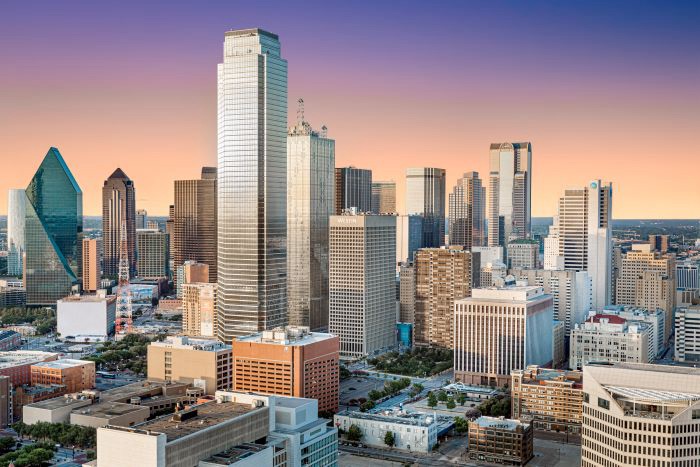
What are your views on the current office vacancy crisis in Dallas and Houston? Let’s discuss below! 💬🏢
 Daniel Kaufman Real Estate
Leave a comment