
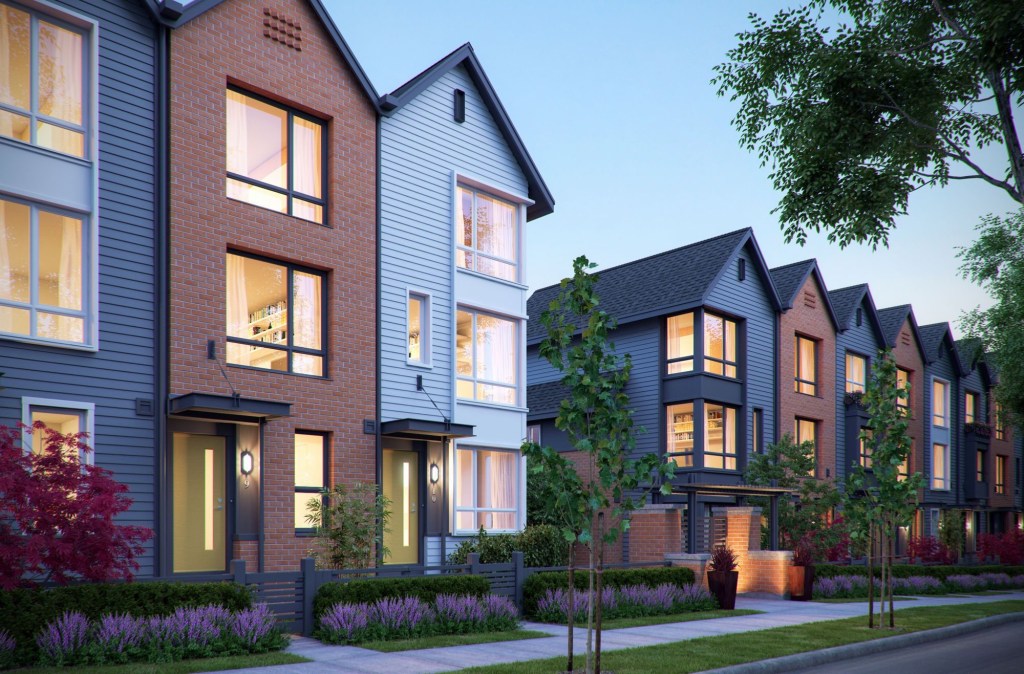
As the Dallas-Fort Worth (DFW) area emerges from a year of quieter activity in the build-to-rent (BTR) sector, developers are poised for what many believe could be a significant resurgence. This trend reflects not only a response to increasing demand for multifamily housing that mimics the comfort of single-family residences but also highlights the ongoing challenges developers face in navigating local approvals and financing hurdles.
A Shift in the Market Landscape

The past few years have seen unprecedented growth in BTR construction across the nation, with DFW ranking second only to Phoenix in total existing BTR units, units delivered over the past five years, and units currently under construction, as reported by RentCafe. However, a downturn in 2024, marked by a 40% drop in investment volume, has tempered that momentum. By the second quarter of this year, the Metroplex’s growth rate for new builds lagged behind the national average, impacted by broader financing struggles.
Despite this, optimism abounds among developers and local officials, who are preparing for a potential boom as conditions start to improve. An analysis by Hunter Housing Economics predicts a shortfall of over 63,000 BTR units nationally this year and a staggering 76,000 in 2025, which could pave the way for a new wave of developments in DFW.
Cautious Enthusiasm Among Developers

Andrew Welker, CEO of Welker Properties, underscores the growing interest in BTR projects, particularly in light of the region’s pressing housing needs. His company is currently developing Wolf Creek Farms, a 343-unit BTR project in Melissa, which has remained ahead of schedule and under budget. Welker anticipates expanding their footprint in Texas and Florida as demand surges.
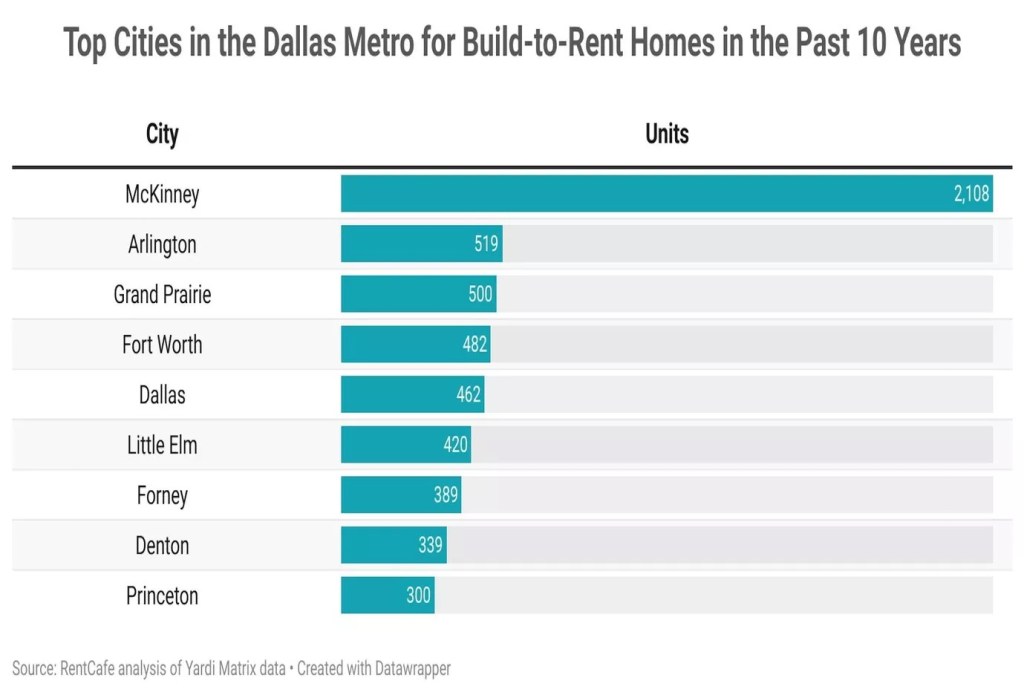
McKinney stands out as the leader in DFW with over 2,100 BTR homes, according to Yardi Matrix data. The city has successfully integrated BTR developments into its urban planning, with city officials recognizing them as valuable solutions to housing density challenges. Jennifer Arnold, McKinney’s Director of Planning, notes that the city council has grown increasingly comfortable with BTR as a transitional development option.
Celina: A Growth Story
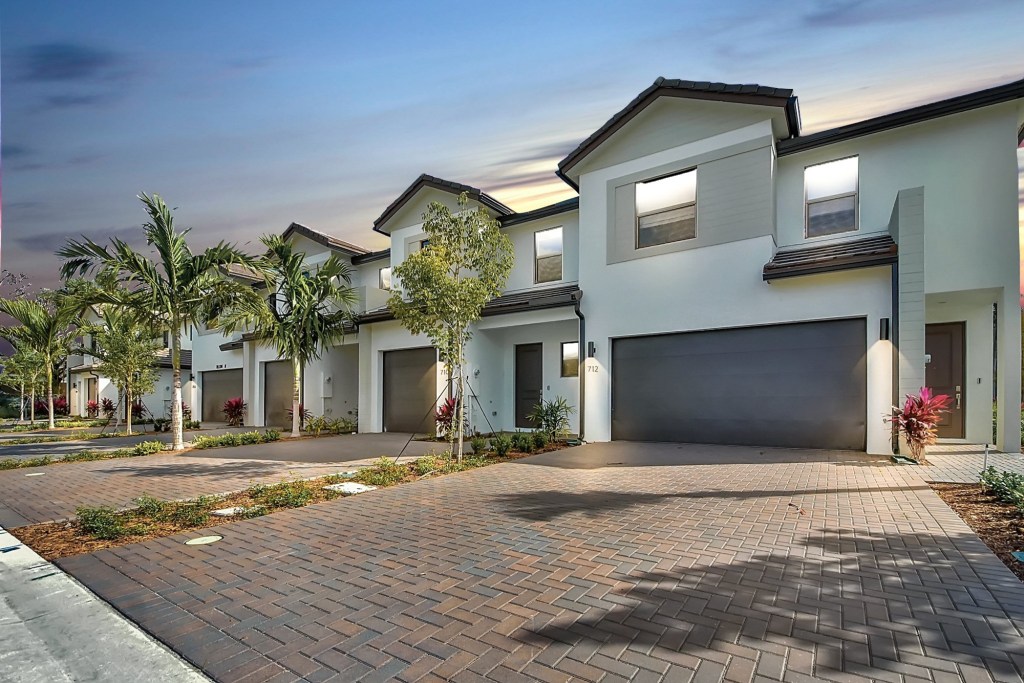
Celina, recognized as the nation’s fastest-growing city, is also on the brink of BTR expansion. Dusty McAfee, Executive Director of Development Services, estimates several ongoing BTR projects in various stages of development. With the city only 20% built out, McAfee is confident that demand for this housing type will continue to rise.
As DFW experiences an influx of residents attracted by job opportunities, favorable tax conditions, and affordable living, the urgency for multifamily housing options intensifies. BTR projects provide an attractive alternative for those unable to enter the traditional homeownership market due to high prices and interest rates.
Navigating Local Challenges
However, the path to expanding BTR projects is not without its obstacles. Cities remain wary of new developments, often due to past experiences or concerns about long-term maintenance and community aesthetics. Younger Partners Executive Vice President Tom Grunnah highlights the importance of addressing these concerns to gain local approval.
“Cities need assurance that projects will be well-built and maintained,” Grunnah states. “This is critical for successful development.”
Despite these challenges, the potential for BTR to act as a buffer between commercial and single-family residential areas is increasingly recognized. McAfee points out that BTR can effectively fill gaps in overzoned commercial areas, offering a solution that complements the surrounding neighborhood fabric.
A Strong Niche in Real Estate
NexMetro Communities views BTR as one of the most promising segments in real estate today, catering to diverse demographics, including millennials seeking alternatives to traditional apartments and older adults looking to simplify their living situations.
As the DFW region braces for what could be a transformative period in the build-to-rent market, the dialogue between developers, city officials, and community members will be crucial. By embracing innovation and addressing community concerns, DFW could position itself at the forefront of a housing solution that meets the needs of its rapidly growing population.
As we move forward, the question remains: Will DFW fully capitalize on this opportunity to reshape its housing landscape? Your thoughts and insights are welcome as we navigate this evolving narrative in real estate development.
 Daniel Kaufman Real Estate
Leave a comment