
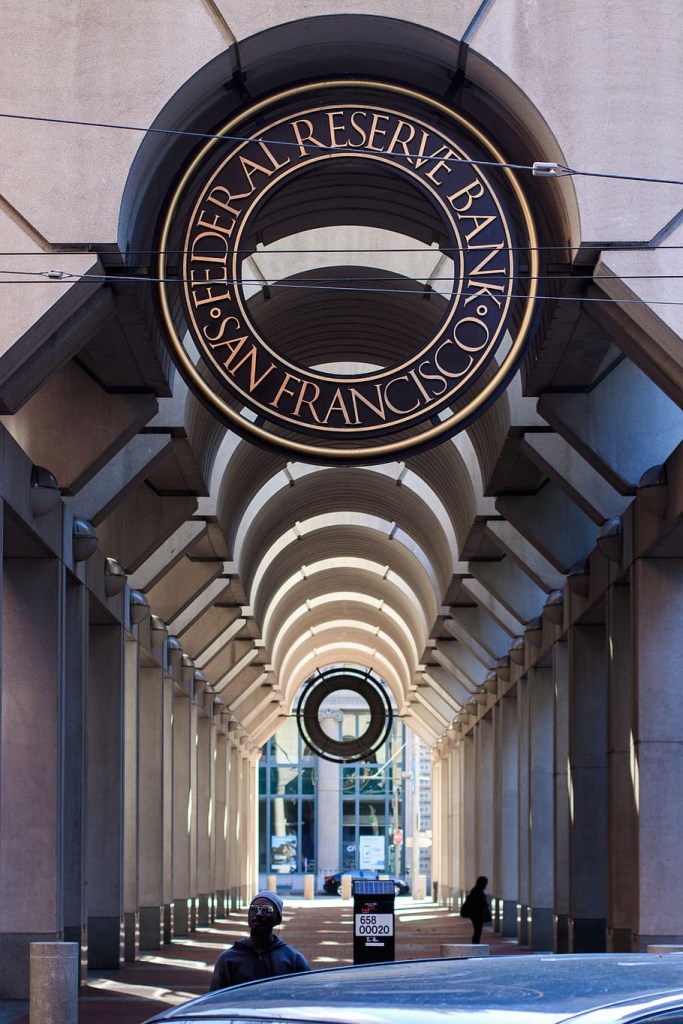
The gap between the Fed funds rate and the 2-year Treasury yield suggests a recession could be on the horizon.
Warning Signs
Barron’s recently highlighted a significant difference between the effective federal funds rate (EFFR) and the 2-year Treasury yield as a new metric signaling potential trouble. As of September 9, 2024, the EFFR stands at 5.33%, while the 2-year yield is at 3.68%, creating a -136 basis point gap—the largest since January 2008. Although not an automatic recession indicator, this gap implies swift monetary policy changes ahead, reminiscent of the 2008-2009 crisis response.
Recession Risks
Data from the Federal Reserve Bank of St. Louis shows that every time the rate difference fell below -100 basis points since 1976, a recession followed within two to twelve months. This suggests a downturn could be imminent. However, Barron’s notes that this is not yet a balance sheet recession, as public debt remains low and asset prices have not plummeted across the board.
Mounting Pressure
While the broader economy may not yet be suffering from debt and asset imbalances, the commercial real estate (CRE) sector is feeling the pinch. Many CRE owners are grappling with heavy debt and declining property valuations. Rising operating costs and tightening liquidity could exacerbate these issues.
Will It Be Enough?
RXR CEO Scott Rechler recently warned that the Fed is unlikely to cut rates enough to bail out the CRE industry. Speaking with Bloomberg, Rechler suggested that higher rates may be the new normal, forcing a multi-year recalibration in property valuations and financing structures.
The gap between the Fed funds rate and the 2-year Treasury signals looming challenges, particularly for property owners, with no clear Fed rescue in sight. As Treasury yields drop ahead of key inflation data, the market eagerly awaits the Fed’s next move, with speculation growing over the potential size of upcoming rate cuts.
Join the Conversation
What are your thoughts on the potential recession indicators? How do you think the Fed’s actions will impact the commercial real estate market? Share your insights and let’s discuss!
 Daniel Kaufman Real Estate
Leave a comment