
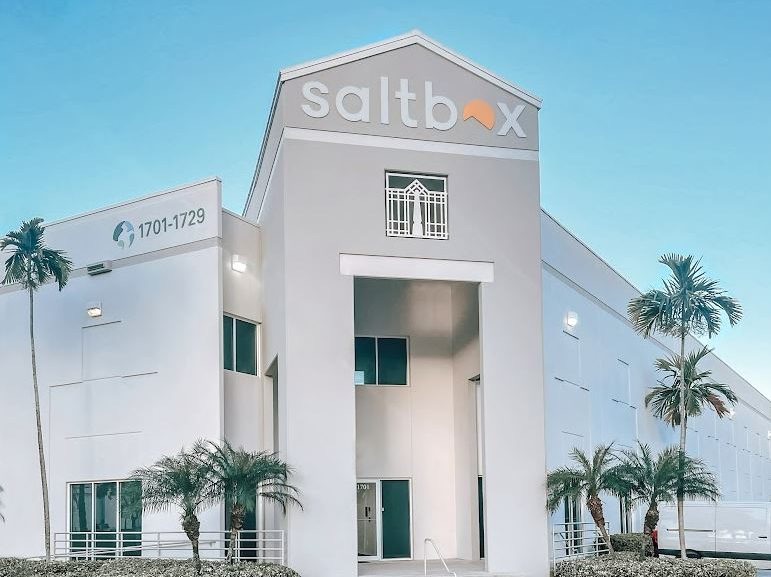
The rise of co-warehousing solutions is reshaping the industrial real estate landscape, offering a compelling alternative for the growing number of small businesses and users with short-term needs. With over 5.5 million new business applications filed in 2023 alone, according to Census data, this niche market is gaining significant traction.
Small businesses, which contribute nearly 44 percent of the U.S. GDP and employ almost half of the workforce, have diverse needs. A substantial portion of these businesses require industrial space, making co-warehousing an attractive option. This model combines the full functionality of traditional warehousing with the flexibility, convenience, and predictable overhead of coworking spaces. As Jeff Mirel, principal at The Rosenblum Cos., explains, co-warehousing allows businesses to focus on their core operations by mitigating the risks and challenges associated with equipping and managing a space.
The Competitive Landscape
The industrial co-warehousing niche is becoming increasingly competitive. Large players are developing their own flexible warehouse brands, while others specialize in specific segments like e-commerce. Following the delivery of 1.1 billion square feet of industrial space between 2022 and 2023, the national vacancy rate rose to 6.4 percent in July, according to a recent CommercialEdge report. This increase, along with fewer large-scale, single-tenant deals, presents new opportunities for the co-warehousing model.
Thriving Locations for Co-Warehousing

Co-warehousing solutions are particularly successful in areas with high demand for small, infill logistics space. For instance, warehouse occupancy rates in New York’s capital region are around 98 percent, leaving limited options for small businesses. This demand led The Rosenblum Cos. to create Launchbox Flexible Warehouse Suites in Latham, N.Y., supporting approximately 4,000 small businesses within a 15-mile radius. These businesses span various industries, including e-commerce, light manufacturing, and creative arts.
Similarly, Saltbox, another co-warehousing provider, has strategically opened facilities in cities like Atlanta, Dallas, Denver, Los Angeles, Miami, Minneapolis, Phoenix, Seattle, and Washington, D.C. Co-Founder Maxwell Bonnie highlights San Francisco, Chicago, and New York as ideal future locations due to their concentration of innovative e-commerce brands.
Resilience Amid Industrial Headwinds
Co-warehousing solutions are somewhat insulated from the broader industrial sector’s fluctuations, as they cater to occupiers needing smaller spaces. Damon Juha, vice chair with Saul Ewing’s real estate practice, notes that fewer owners and developers are investing in large facilities, making multitenant assets a more viable option. This trend allows developers and owners to hedge against market uncertainties.
As the co-warehousing trend continues to gain momentum, it offers a practical solution for small- to medium-sized e-commerce companies and logistics providers. With its ability to adapt to various market conditions and meet the evolving needs of small businesses, co-warehousing is poised to become a game-changer in the industrial real estate sector.

 Daniel Kaufman Real Estate
Leave a comment