
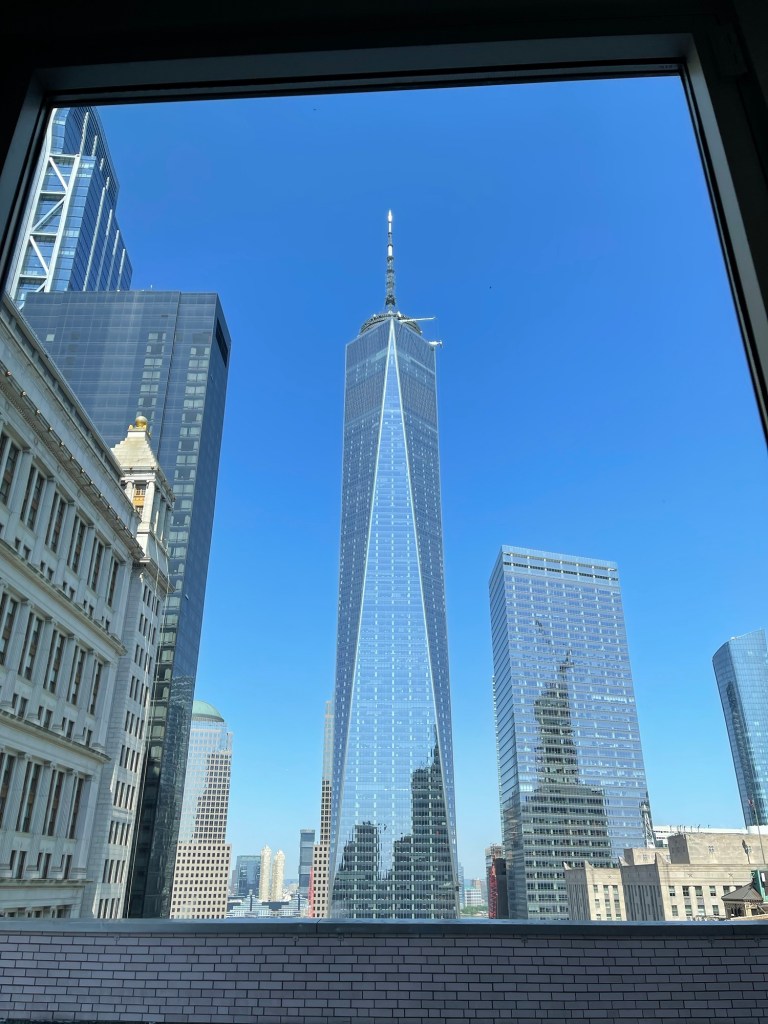
The real estate landscape is shifting, and distress signals are flashing across the U.S. commercial property market. According to MSCI’s Capital Trends US Distress Tracker, the numbers tell a compelling story.
The Numbers Speak: $94.2 Billion in Distress
In the second quarter of 2024, U.S. commercial property distress surged to a staggering $94.2 billion, marking a $2 billion increase from Q1. This seismic shift reflects the challenges faced by property owners, investors, and lenders.
Breaking Down the Distress
- Office Properties Take the Brunt: Office properties lead the distress pack, accounting for a hefty $41 billion. The changing dynamics of work, including remote work trends, have left many office spaces underutilized and struggling.
- Retail’s Rocky Road: Retail properties follow closely, with $21.8 billion in distress. The rise of e-commerce and shifts in consumer behavior have impacted brick-and-mortar retail.
- Apartments in Trouble: The apartment sector faced $14 billion in distress. Factors like urban exodus, housing oversupply, and rent control have contributed to this trend.
- Hotel and Industrial Sectors: Hotels and industrial properties experienced $13.3 billion and $1.7 billion in distress, respectively. The pandemic’s impact on travel and logistics plays a significant role here.
Zooming In: San Francisco’s Apartment Woes
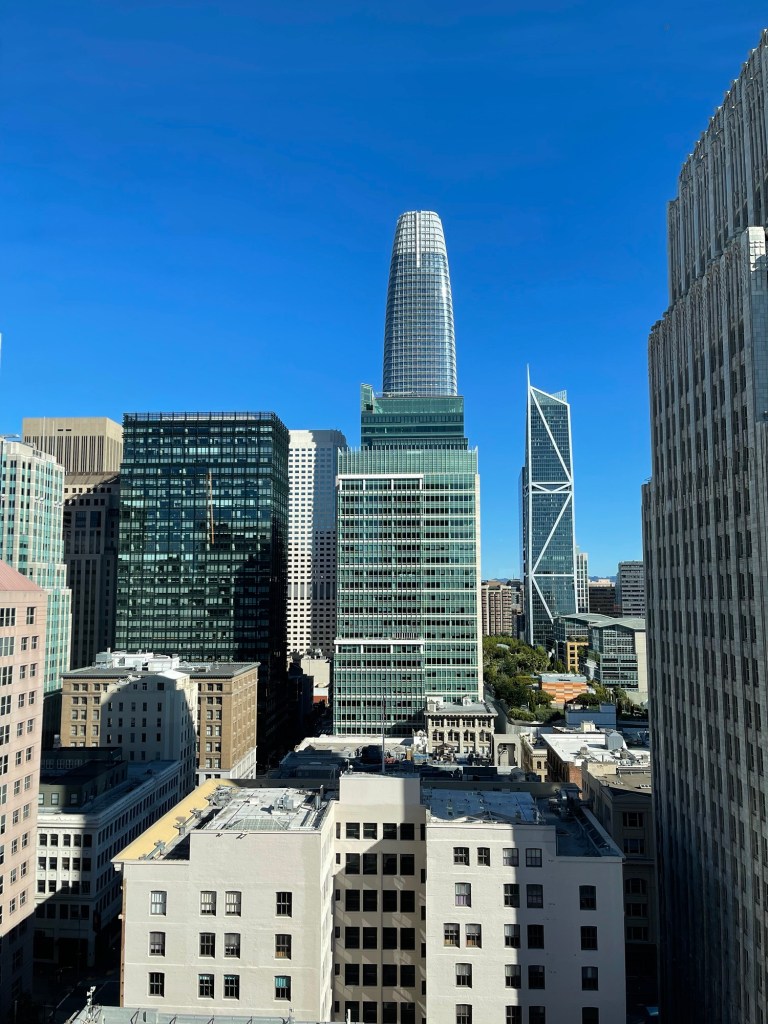
San Francisco’s 3,165-unit Parkmerced development added nearly $2 billion in new apartment distress after transferring to a special servicer in April. The city’s housing market faces unique challenges, including high costs and income inequality.
Market Spotlight: NYC and Chicago
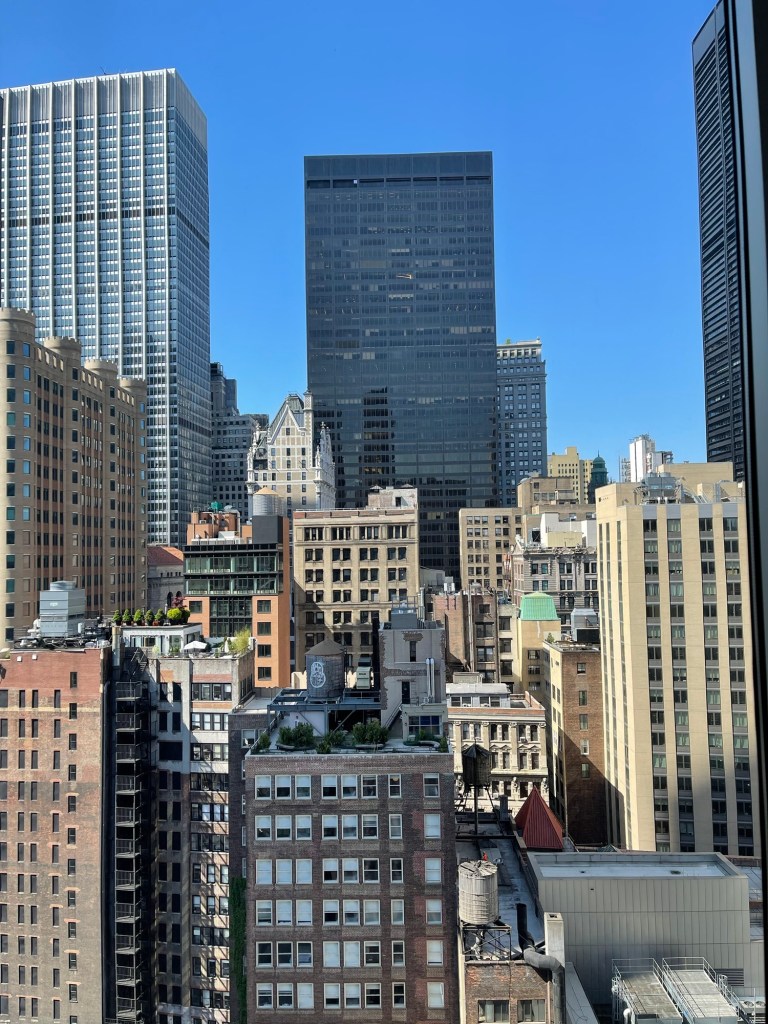
- NYC Boroughs: Apartments make up a whopping 60% of total distress in New York City boroughs. The city’s diverse real estate landscape reflects the broader trends.
- Manhattan: Manhattan leads the national distress market due to office sector woes. The iconic skyline grapples with vacancies and shifting demand.
- Chicago: The Windy City isn’t far behind, with the second-highest office distress at $4 billion. Office spaces seek reinvention to stay relevant.
Handing Back the Keys: REO Properties
The value of real-estate-owned (REO) properties—assets reclaimed by lenders through foreclosure—has surged. In Q2 2024, cumulative REO properties rose by 13% from the previous quarter and a whopping 46% compared to the same period last year.
The Takeaway
While the office sector remains a major source of commercial real estate distress, the apartment market is catching up. Remote work, housing dynamics, and economic shifts are reshaping the landscape. Keep an eye on San Francisco and NYC—they’re at the forefront of this evolving narrative. 🏢📉💡
What’s your take on these trends? Share your insights below!
Disclaimer: The information provided is based on available data as of Q2 2024 and may be subject to change.
Did you find this post informative? Follow us for more real estate insights! #CommercialRealEstate #PropertyTrends
Note: This blog post is for informational purposes only and does not constitute professional advice or investment recommendations.
Sources: MSCI Capital Trends US Distress Tracker, industry reports, and expert analysis.
Disclaimer: The content provided here is for informational purposes only and does not constitute professional advice or investment recommendations. Always consult with a qualified professional before making any real estate or financial decisions.
This blog post was written by our team of real estate experts. Any resemblance to actual events or properties is purely coincidental.
 Daniel Kaufman Real Estate
Leave a comment