
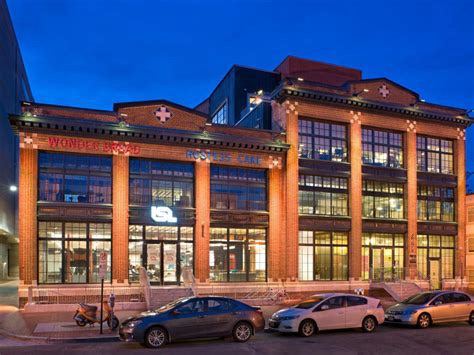
In a remarkable resurgence, the United States has seen a significant boost in its housing stock, with nearly 13,000 apartments emerging from the transformation of obsolete buildings. The trend of adaptive-reuse in multifamily developments has surged, with a 17.6% increase in converted apartments compared to the previous year, introducing 12,713 new living spaces into the market.

Research conducted by RentCafe, utilizing Yardi Matrix data, indicates that this movement is not a fleeting phenomenon but a lasting shift, with an impressive 151,000 apartments currently undergoing conversion. This marks a 24% rise from the 122,000 units anticipated in 2022, signaling a robust future for adaptive-reuse projects.
Leading the charge in this architectural revolution are former office spaces, which account for over 58,000 units in progress and 38.5% of all adaptive-reuse endeavors. Hotels, not far behind, represent 22.5% with approximately 34,000 units, while factories are being repurposed into almost 18,000 apartments, holding an 11.8% share.
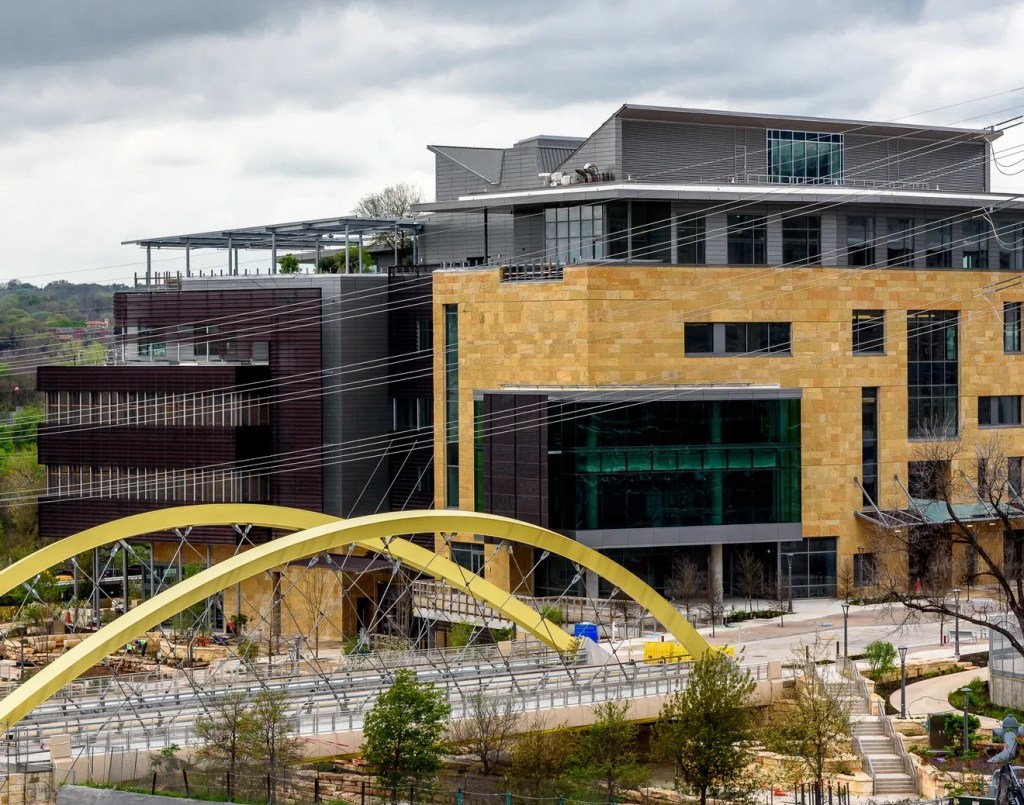
The narrative of 2023 has been dominated by hotel-to-apartment conversions, which comprised 36% of all adaptive-reuse projects. A staggering 4,556 apartments have been crafted from erstwhile hotels, marking a 38.8% increase from the previous year and nearly doubling the figures from 2021. The majority of these units, 60%, have been derived from Class B hotels, with Class A and C hotels contributing to the remainder.
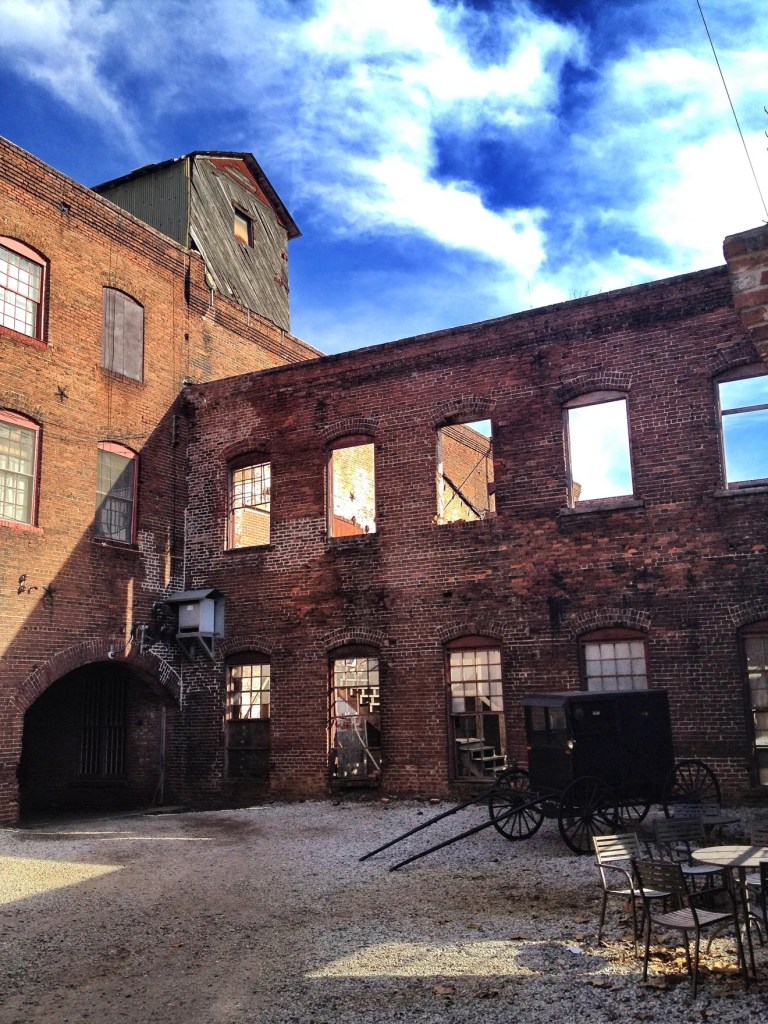
Office buildings, once bustling centers of business, are now being creatively reimagined into 3,587 apartments, a modest 3.8% uptick from 2022. However, this figure represents a decline from the peak years, indicating a shift in developer focus.
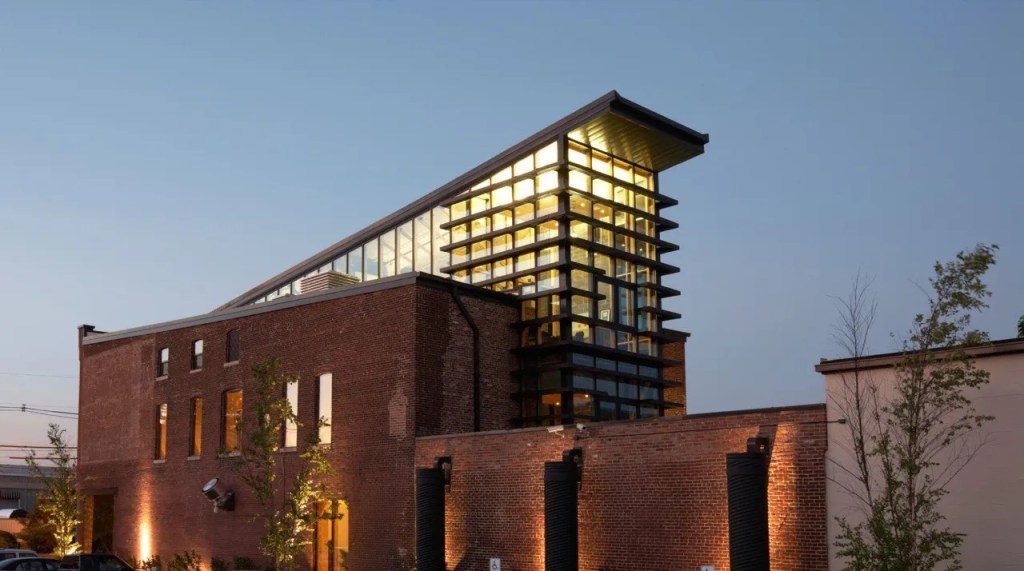
The narrative extends to factories and warehouses, with factories contributing 1,954 apartments to the adaptive-reuse landscape, a 31.6% year-over-year increase. Warehouses, on the other hand, have seen a remarkable 128.8% surge, adding 1,098 units to the housing market.
Manhattan, New York City, has emerged as a leader in this transformative era, surpassing Los Angeles with 733 apartments born from hotel conversions. A notable project at 525 Lexington Avenue, a century-old hotel, now houses 655 student apartments, marking a significant milestone in the city’s architectural history.
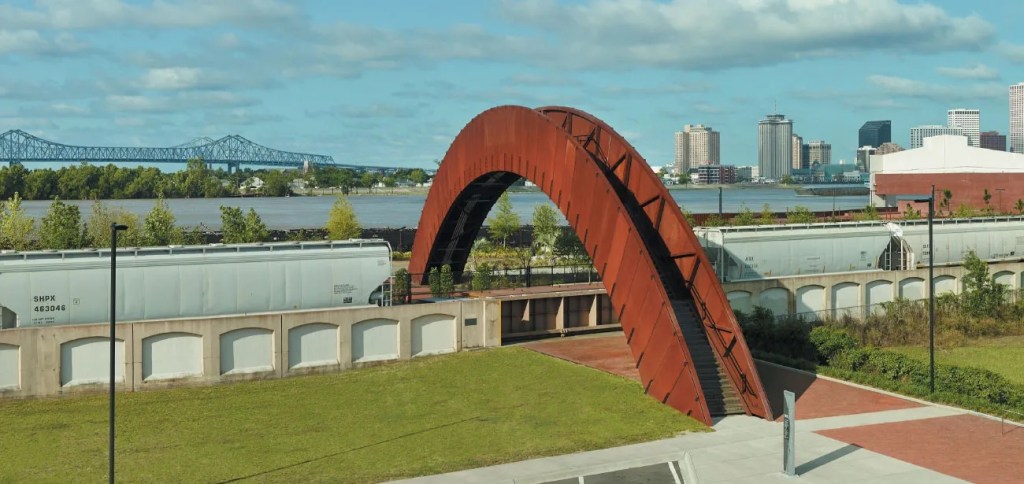
Richmond, Virginia, and Alameda, California, follow suit, with significant contributions to the adaptive-reuse sector. Richmond’s historic Model Tobacco Factory now houses 662 apartments, while Alameda’s warehouse conversion has added 372 apartments to the housing inventory.
This adaptive-reuse wave is reshaping the American urban landscape, turning relics of the past into vibrant homes for the future, and sparking conversations about the innovative use of space in an era where housing is more than a necessity—it’s a statement of sustainability and creativity.
 Daniel Kaufman Real Estate
Leave a comment